
Issue 01 · June 2026

Science in GU Oncology


In this edition: CREST, a global, phase 3 randomized trial of subcutaneous sasanlimab combined with BCG induction and maintenance versus BCG induction and maintenance alone in BCG-naive, high-risk NMIBC; SURE-02, a single-arm phase 2 study of neoadjuvant sacituzumab govitecan plus pembrolizumab followed by adjuvant pembrolizumab in cisplatin-ineligible MIBC, evaluated within a bladder-sparing framework; the ENZA-p day-15 PSMA PET substudy, evaluating whether day-15 PSMA SUV mean increase after enzalutamide predicts PSA-PFS benefit from added Lu-PSMA-617 in poor-risk mCRPC; and TRACERx-PEACE, an autopsy-anchored genomic reconstruction of metastatic seeding routes, clonal diversity, and the role of chromosomal instability in extrathoracic spread across 24 patients with NSCLC.

Sasanlimab plus BCG induction and maintenance prolongs EFS in BCG-naive, high-risk NMIBC: CREST

High-risk NMIBC treated with BCG induction and maintenance carries an approximately 40% rate of recurrence or progression at 2 years. No prior phase 3 trial had demonstrated that adding an immune checkpoint inhibitor to BCG improves EFS in this setting.

CREST is a global, phase 3, randomized trial enrolling patients with BCG-naive, high-risk NMIBC. Patients were assigned 1:1:1 to subcutaneous sasanlimab (anti-PD-1) combined with BCG induction and maintenance (Arm A; N=352), sasanlimab combined with BCG induction only (Arm B; N=352), or BCG induction and maintenance alone (Arm C; N=351). The primary endpoint was investigator-assessed EFS for Arm A versus Arm C; key secondary endpoints included EFS for Arm B versus Arm C and overall survival (NCT04165317).

Arm A met the primary endpoint: HR 0.68 (95% CI 0.49–0.94; one-sided P=0.0095). Estimated EFS at 36 months was 82.1% for Arm A versus 74.8% for Arm C. The EFS benefit was consistent across prespecified subgroups, including CIS and T1 disease. Overall survival follow-up was immature at the interim analysis. Grade 3 or higher treatment-related adverse events occurred in 29.1% of patients in Arm A versus 6.3% in Arm C.

Sasanlimab is the first anti-PD-1 antibody to demonstrate a statistically significant EFS improvement when combined with BCG-I+M in BCG-naive, high-risk NMIBC. The positive comparison is regimen-level: sasanlimab plus BCG induction and maintenance versus BCG induction and maintenance alone. The result establishes the effect of the combined regimen without resolving the independent contribution of PD-1 blockade versus continued BCG exposure. Patient selection within the BCG-naive, high-risk category, by molecular subtype, PD-L1 expression, or TURBT response kinetics, is not addressed by CREST. A grade 3+ TRAE rate of 29.1% in Arm A versus 6.3% in Arm C raises a benefit-risk question CREST was not designed to answer: within the BCG-naive, high-risk category, which patients' progression or recurrence risk most clearly justifies added systemic toxicity has not been separately identified. The Arm B versus Arm C result, sasanlimab plus BCG induction only, will determine whether BCG maintenance is necessary to preserve the benefit.
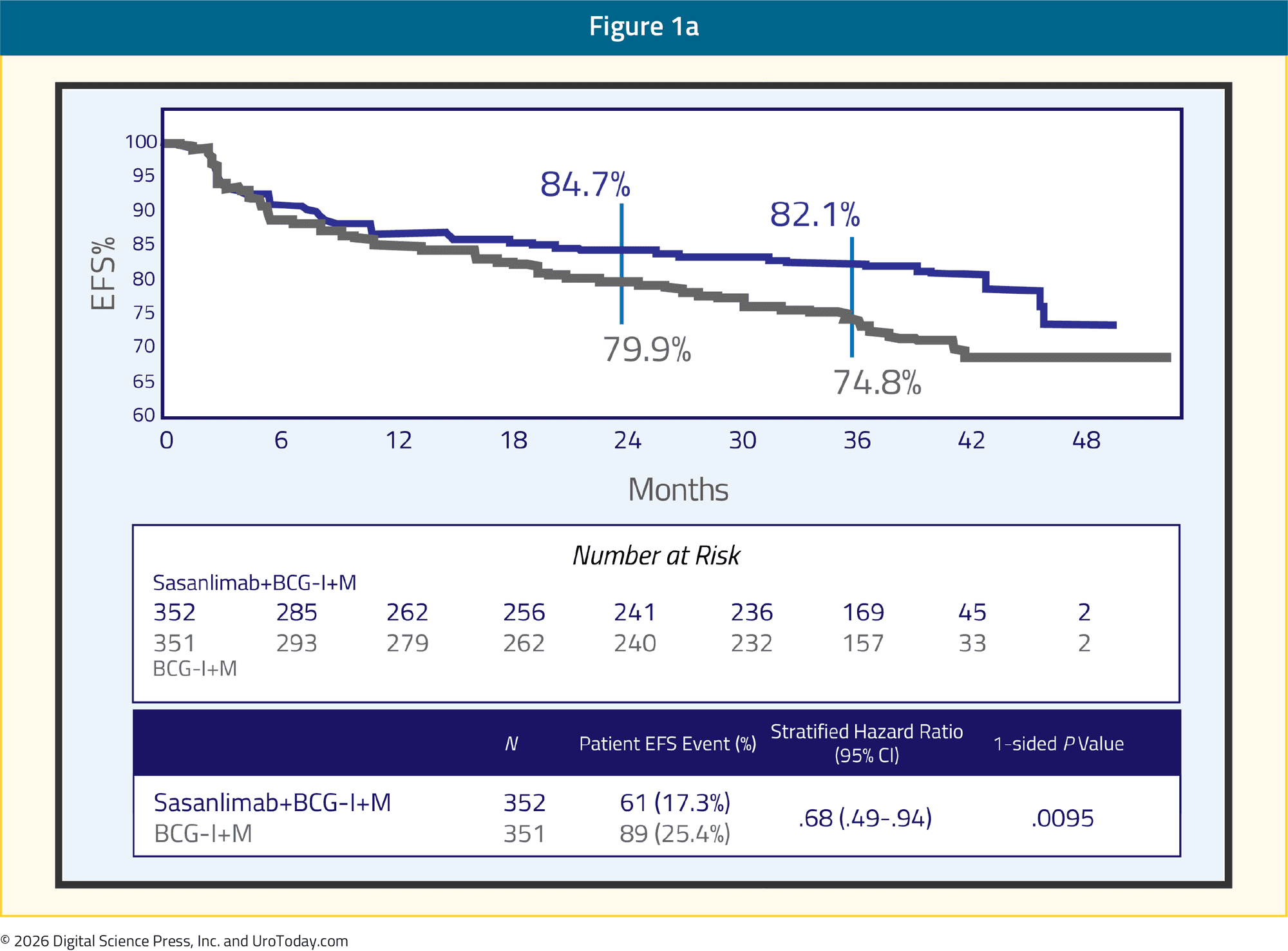
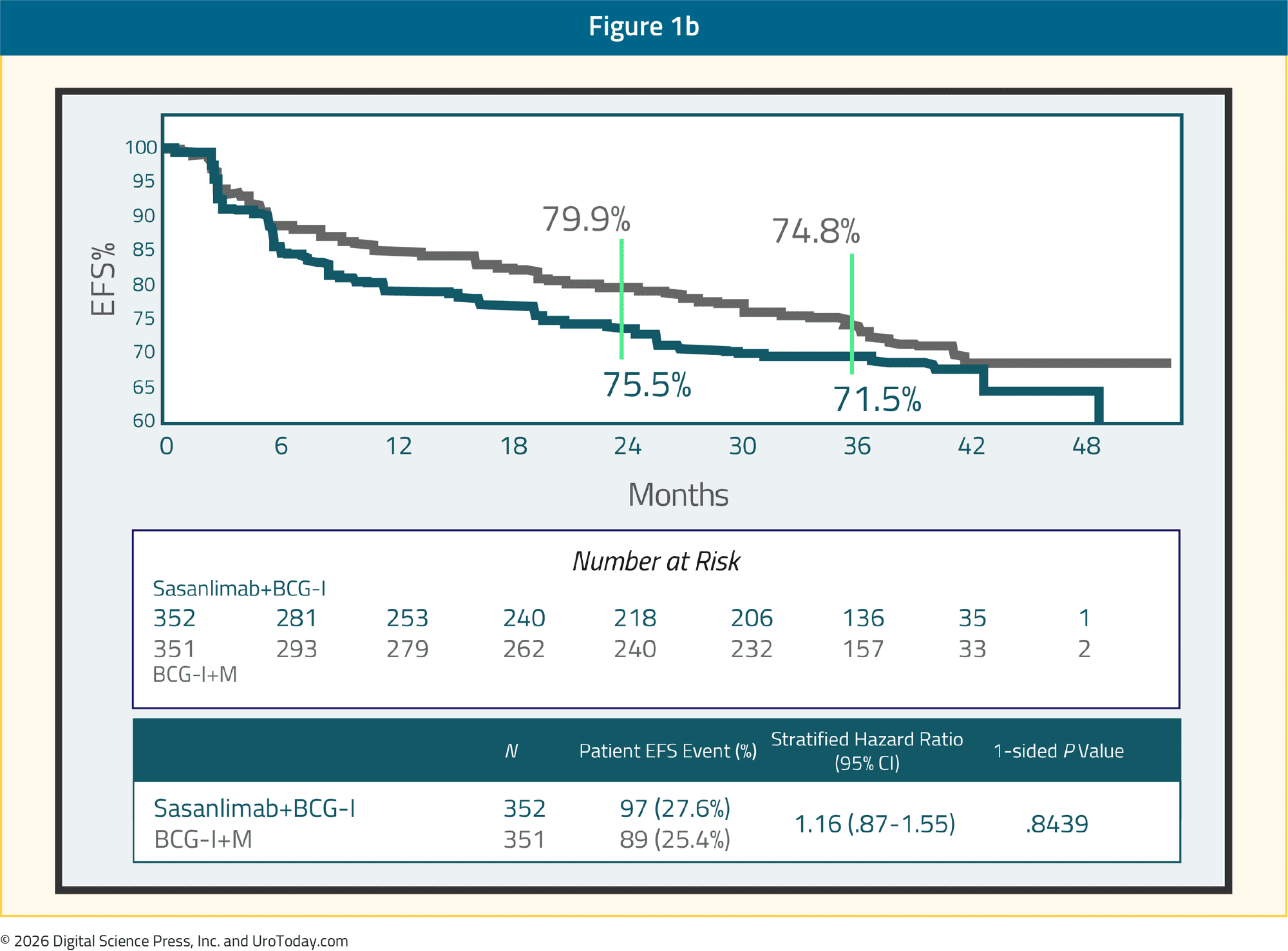
GU Onc Science June Fig 1a GU Onc Science June Fig 1b Kaplan-Meier curves for investigator-assessed EFS in CREST. Arm A (sasanlimab plus BCG induction and maintenance) versus Arm C (BCG induction and maintenance alone), showing divergence sustained through 36 months. Shore et al. Nature Medicine, 2025. Figure 2a,b. DOI: 10.1038/s41591-025-03738-z
cCR in 39% of cisplatin-ineligible MIBC patients after sacituzumab govitecan plus pembrolizumab: SURE-02

Approximately half of patients with MIBC are ineligible for or decline cisplatin-based neoadjuvant chemotherapy. Trop-2-directed cytotoxic payload and checkpoint blockade offer mechanistically distinct and potentially complementary routes to tumor reduction before local therapy.

SURE-02 is a single-arm, phase 2 study at a single center (IRCCS San Raffaele Hospital, Milan). Eligible patients had histologically confirmed MIBC (cT2–T3bN0M0), ECOG PS 0–1, and were either ineligible for or declined cisplatin. All were scheduled for radical cystectomy. Patients received four cycles of pembrolizumab 200 mg on day 1 and sacituzumab govitecan 7.5 mg/kg on days 1 and 8, every 3 weeks, followed by radical cystectomy or re-TURBT (for patients who declined cystectomy after multidisciplinary board discussion) and 13 cycles of adjuvant pembrolizumab 200 mg every 3 weeks. The primary endpoint was cCR, defined as negative imaging and no viable tumor at re-TURBT, in the intention-to-treat population (NCT05535218).

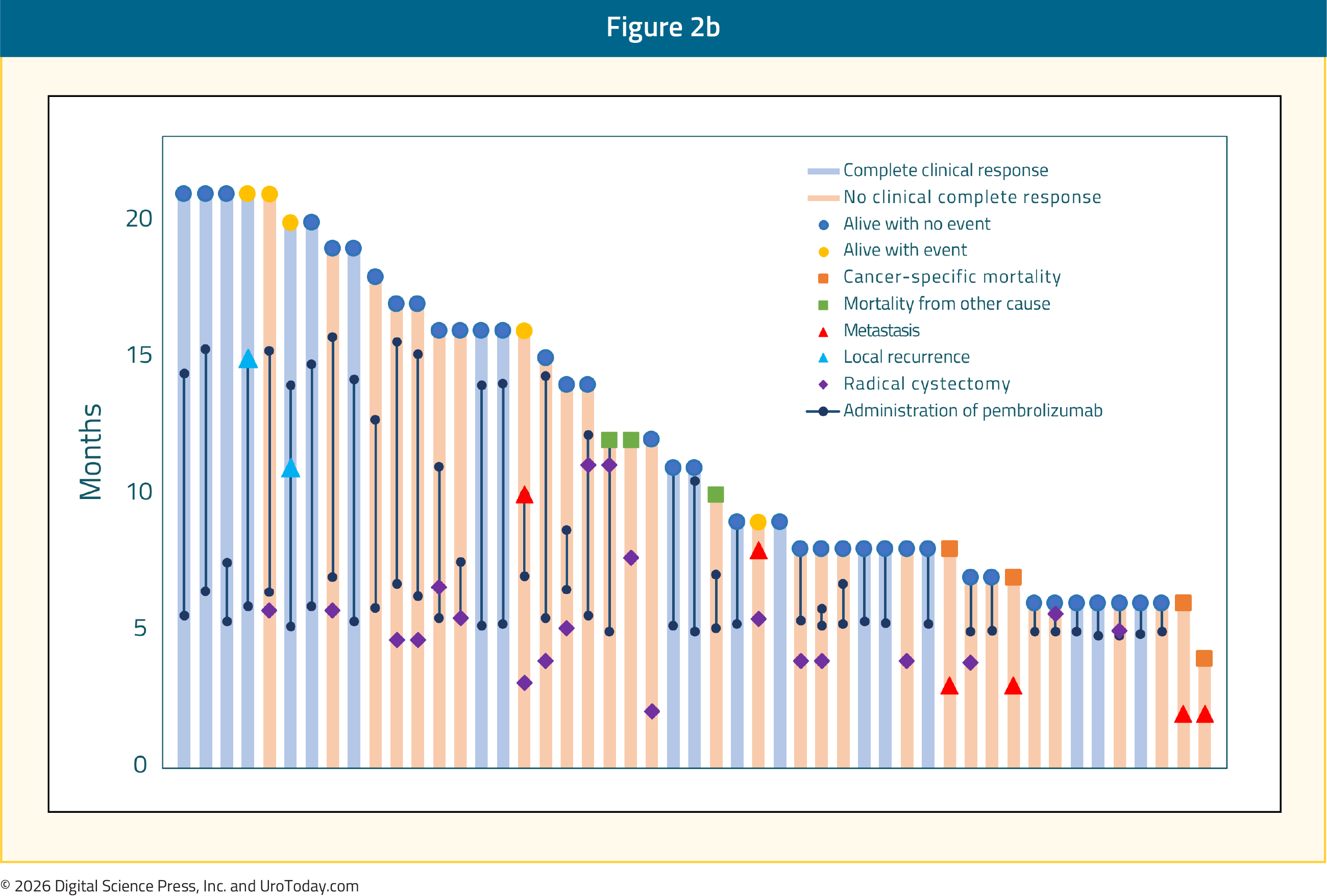
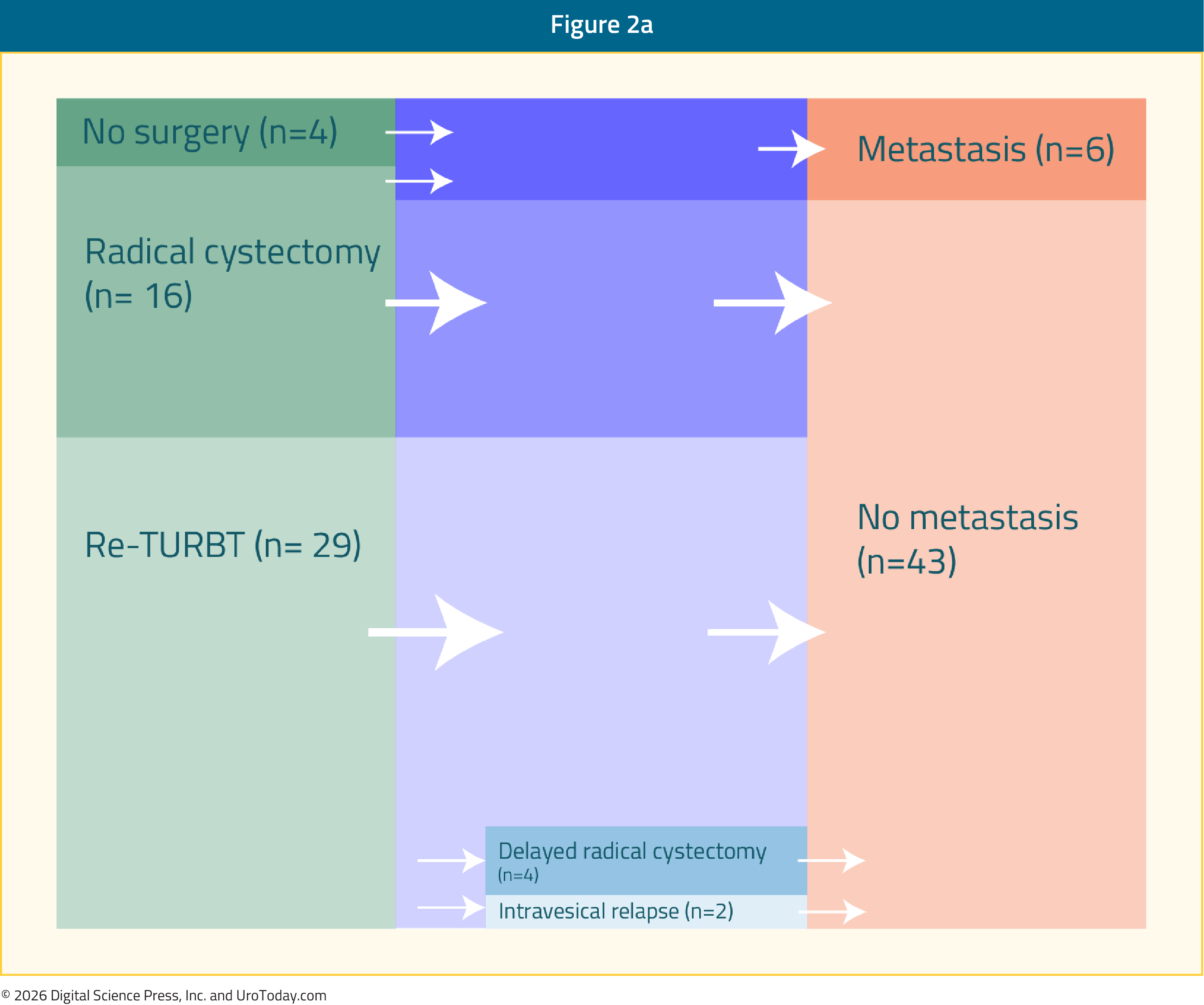
49 patients were enrolled and evaluable (63 screened; median age 66 years, IQR 61–71; 43% centrally confirmed variant histology; 67% cT2 stage). At a median follow-up of 14 months (IQR 8–18), 19 patients achieved cCR (39%; 95% CI 25–54%). All 19 underwent re-TURBT, all were metastasis-free at follow-up, and 2 developed intravesical relapse. Grade 3 TRAEs occurred in 8 patients (16%); diarrhea was most frequent (4 patients, 8%). Serious TRAEs were reported in 3 patients (6%): bullous pemphigoid in 2 and colitis in 1. No grade ≥4 or fatal TRAEs occurred.

A cCR rate of 39% in a cisplatin-ineligible population with 43% variant histology establishes clinical activity sufficient to justify a randomized evaluation. The bladder-preservation decision operated through multidisciplinary board review and re-TURBT confirmation rather than prospectively specified biomarker criteria for cystectomy omission. The next evidence needed is not simply a higher cCR rate in a larger cohort. The key question is whether residual-disease assessment, using ctDNA kinetics, repeat tissue biopsy, radiographic response, or cystectomy-pathology correlation, can identify patients for whom bladder preservation is oncologically safe, and whether the 39% cCR rate translates to durable local control at 2 and 3 years.

GU Onc Science June Fig 2a GU Onc Science June Fig 2b SURE-02 treatment and response-adapted local-management schema. The figure places cCR in the clinical pathway, which is the central decision point for bladder-preservation development. Necchi et al. The Lancet Oncology, 2026. Clinical outcomes figure. DOI: 10.1016/S1470-2045(26)00050-1

Day-15 PSMA SUV mean increase identifies the mCRPC subgroup with greatest PSA-PFS benefit from added Lu-PSMA-617: ENZA-p substudy

AR blockade upregulates PSMA receptor expression in mCRPC. Baseline PSMA PET selects patients based on pretreatment target expression.

Day-15 PSMA PET after AR-targeted therapy functions as a pharmacodynamic imaging readout of induced or increasing PSMA expression, a distinct biological question from baseline eligibility. The main ENZA-p trial demonstrated that adding Lu-PSMA-617 to enzalutamide improved PSA-PFS in poor-risk, PSMA-positive mCRPC. This prespecified substudy asked whether early serial PSMA change stratifies the magnitude of that benefit.

ENZA-p randomized 162 patients with poor-risk mCRPC and significant ⁶⁸Ga-PSMA PET avidity (SUVmax >15 at one site, or >10 at sites ≥10 mm) 1:1 to enzalutamide alone or enzalutamide plus Lu-PSMA-617. ⁶⁸Ga-PSMA PET-CT was performed at baseline and on day 15 of enzalutamide treatment, with SUV mean quantified at both timepoints. The substudy evaluated early SUV mean change in relation to PSA-PFS, 50% PSA-decline rate, and overall survival (NCT04419402). 154 of 160 treated participants (96%) had a day-15 PSMA PET-CT.

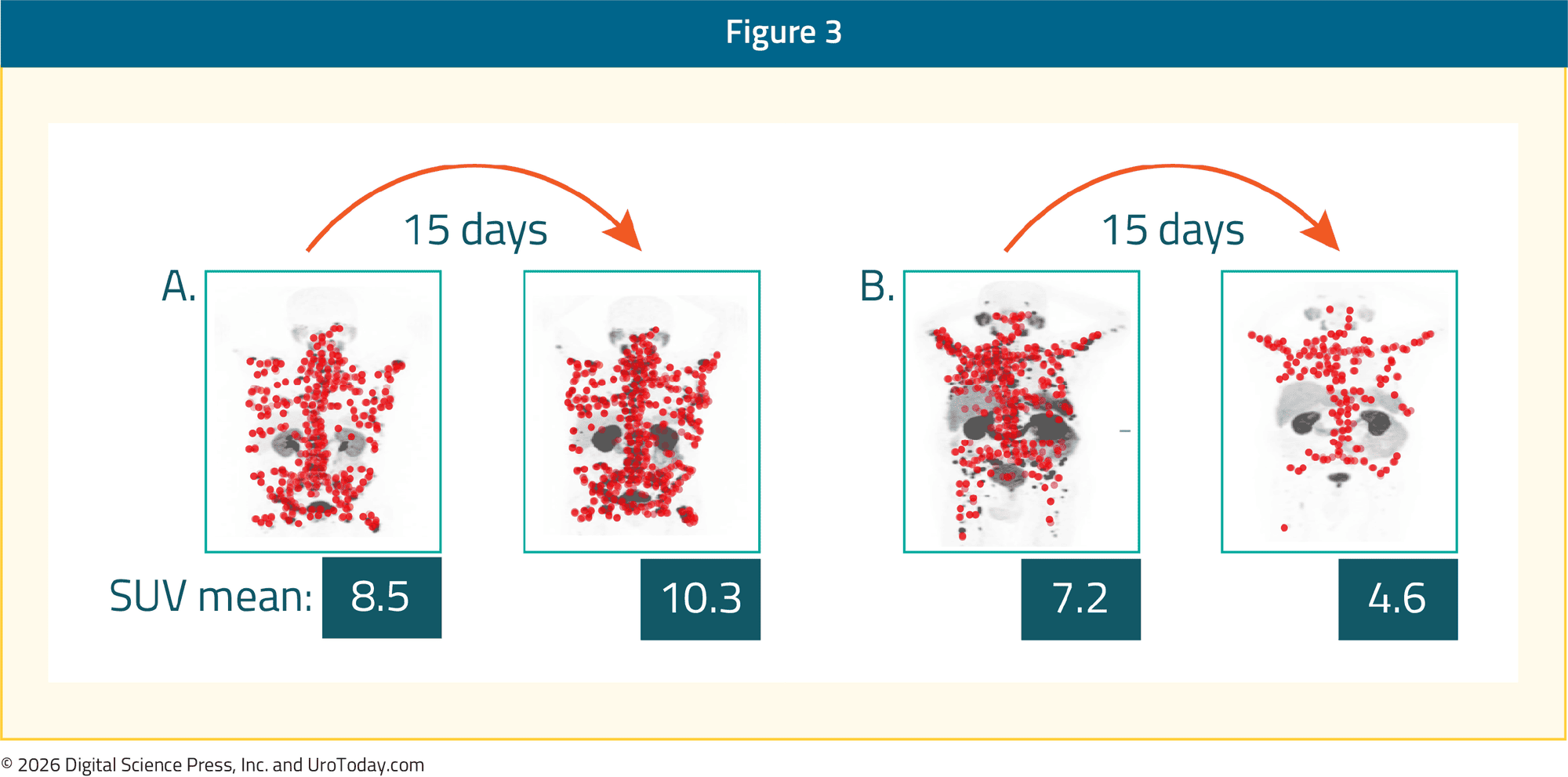
SUV mean increased in 105 of 154 participants (68%) at day 15. Among patients with increasing SUV mean, median PSA-PFS was 5.8 months (95% CI 4.0–8.7) with enzalutamide versus 13.1 months (95% CI 10.5–17.0) with enzalutamide plus Lu-PSMA-617 (HR 0.38; 95% CI 0.25–0.58; P<0.001). Among patients with decreasing SUV mean, median PSA-PFS was 12.5 months (95% CI 3.2–23.6) with enzalutamide versus 13.3 months (95% CI 9.6–22.2) with enzalutamide plus Lu-PSMA-617 (HR 0.80; 95% CI 0.42–1.53; P=0.5). The interaction P-value for SUV mean direction by treatment arm was 0.055.

Early PSMA upregulation at day 15 occurred in 68% of patients. In that subgroup, enzalutamide alone produced a median PSA-PFS of 5.8 months; Lu-PSMA-617 addition extended it to 13.1 months (HR 0.38). The interaction P of 0.055 does not meet a conventional threshold; the substudy was not independently powered for this analysis. The result supports prospective testing of day-15 PSMA upregulation as a pre-specified selection criterion for Lu-PSMA-617 addition, not as a current treatment rule. The evidence warrants a prospectively powered trial in which day-15 PSMA upregulation is the primary eligibility criterion for Lu-PSMA-617 addition, not a post-hoc stratification variable.

GU Onc Science June Fig 3 Paired PSMA PET imaging and quantitative SUV mean change after enzalutamide exposure in ENZA-p. The panel illustrates day-15 PSMA upregulation as a pharmacodynamic readout after AR blockade. Emmett et al. Nature Cancer, 2026. PSMA PET day-15 figure. DOI: 10.1038/s43018-026-01140-3

TRACERx-PEACE: met-to-met seeding accounts for more than half of metastatic events in NSCLC, with chromosomal instability enriched in extrathoracic-spreading subclones

The clonal origins of individual metastases, whether seeded directly from the primary tumor or from established metastases, determine whether a single metastatic biopsy captures the clonal diversity present at the time of treatment, and whether resistance mechanisms detected in one lesion apply elsewhere in the metastatic compartment. Autopsy-linked multiregion sequencing resolves these routes at a spatial and temporal resolution unavailable from clinical sampling./p>

Hessey and colleagues analyzed 501 longitudinally collected primary and metastatic tumor samples from 24 patients with NSCLC enrolled in the TRACERx lung study and PEACE autopsy programme, using high-depth whole-exome sequencing with multiregion primary sampling, premortem metastasis sampling, and autopsy sampling. DNA sequencing covered approximately 70% of metastases radiologically detected before death. Phylogenetic reconstruction was used to infer clonal origin, migration routes, and timing of metastatic events from diagnosis to autopsy.

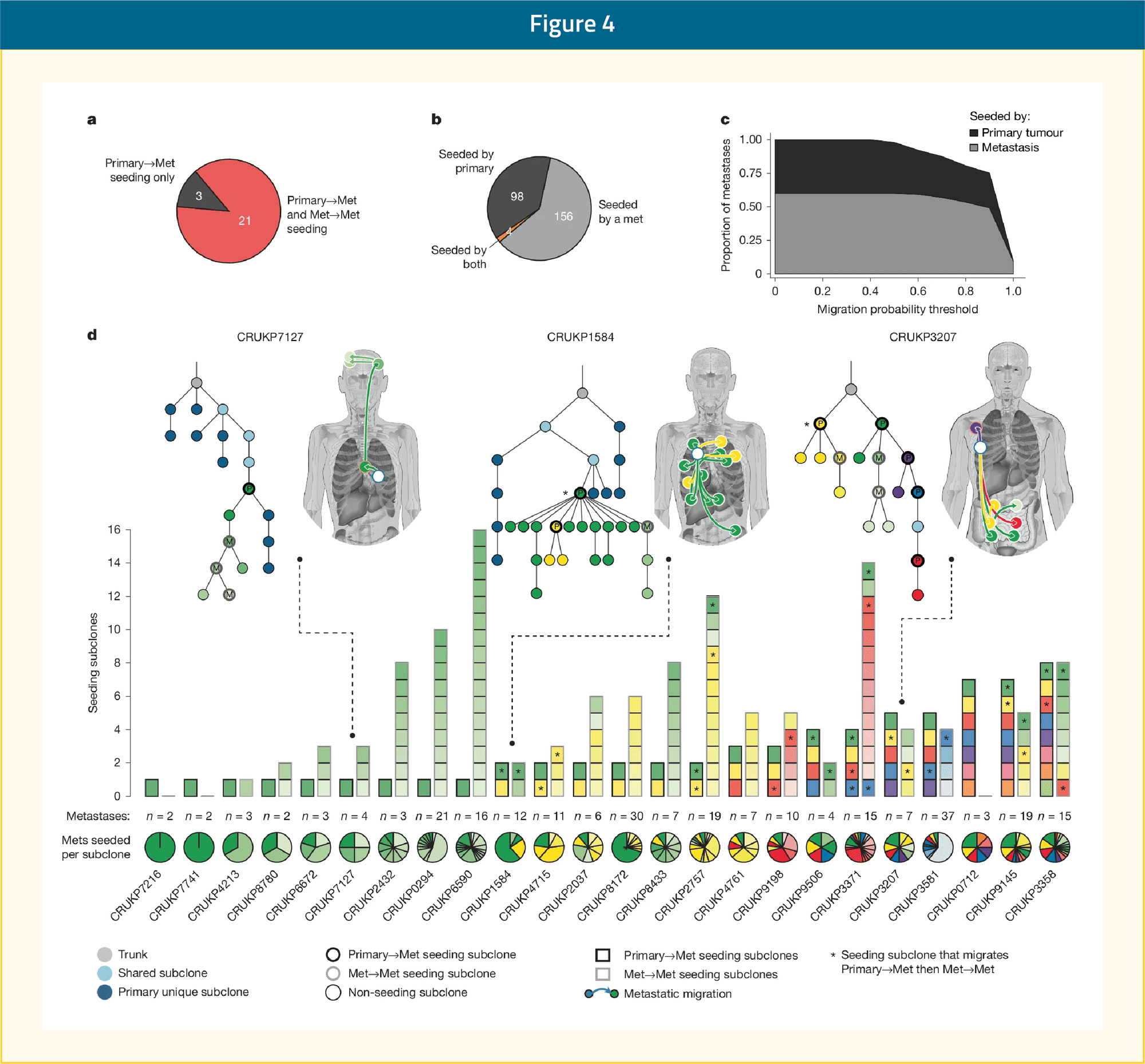
Metastatic genomes diverged substantially from their inferred primary tumor ancestors, with additional driver alterations and genome doubling events acquired after dissemination. In 62.5% of patients, multiple primary tumor subclones disseminated independently, each founding a distinct metastasis. More than half of sampled metastases were seeded by other metastases rather than directly from the primary tumor. The duration a metastasis existed in situ correlated with its likelihood of seeding further metastases. Most metastatic migrations remained within the same anatomical cavity. The minority of subclones that exited the thorax were enriched for somatic copy-number alterations, consistent with a role for chromosomal instability in facilitating wider anatomical dissemination.

Direct clinical application to GU oncology requires equivalent sampling studies in urothelial, renal, and prostate tumors. This study's contribution is architectural: it establishes what autopsy-linked multiregion sequencing reveals about metastatic dissemination that single-timepoint clinical biopsies cannot. The same sampling approach, multiregion primary sampling combined with autopsy-linked metastatic sequencing, could test whether urothelial cancer metastases arise from parallel primary-tumor subclones, late-selected resistant clones, or established metastatic deposits. Knowing which source dominates would change how ctDNA panels are designed, which biopsy sites are prioritized at progression, and whether resistance mechanisms identified in one lesion can be assumed to generalize across the metastatic compartment. The enrichment of chromosomal instability in extrathoracic-spreading clones is consistent with a broader model in which structural genomic plasticity, not point mutations alone, governs metastatic competence and the transition from locoregional to systemic dissemination.

GU Onc Science June Fig 4 Hessey, S., Bunkum, A., Huebner, A. et al. Evolutionary characterization of lung cancer metastasis. Nature 653, 911–922 (2026). https://doi.org/10.1038/s41586-026-10428-4. Used with permission under the following Creative Commons License: https://creativecommons.org/licenses/by/4.0/