

The ALBAN study is unique in today’s landscape of trials combining immune checkpoint inhibitors with BCG in non-muscle-invasive bladder cancer. It is the only fully academic (French AFU GETUG network) phase 3 trial in this space. This independence matters: it allows us to focus not on brand-to-brand comparison, but on the core question—does adding systemic immunotherapy to optimal transurethral resection and intravesical BCG meaningfully improve patient outcomes?
Key Message
ALBAN enrolled more than 510 patients with BCG-naïve high-risk NMIBC and compared one year of BCG alone with BCG plus intravenous atezolizumab. The combination was safe and feasible, but did not improve event-free survival compared with standard BCG. Toxicity was higher in the combination arm, with more immune-related adverse events, but no new safety signals.
What ALBAN Really Tells Us
The first lesson is that surgery still matters most. In every surgical oncology trial, the main source of bias is the quality of the initial resection. A complete and meticulous TURBT followed, when needed, by a re-TURBT, remains the most powerful predictor of freedom from recurrence. If both arms deliver high-quality surgery, any incremental systemic effect becomes much harder to demonstrate.
The second lesson is about BCG duration. In ALBAN, maintenance lasted one year, whereas other recent studies extended maintenance to two or even three years. A longer BCG schedule naturally reduces early recurrences and therefore improves event-free survival, without necessarily changing overall survival or cystectomy rates. What extended maintenance “buys” is time without events—not a survival advantage.
Finally, ALBAN reminds us that more systemic therapy does not automatically mean better outcomes. In this setting, what is at stake today is not fewer cystectomies or improved overall survival, but rather the number and quality of local treatments. So far, what systemic immunotherapy achieves is mainly more TURBTs—earlier detection, more vigilance, and more local control—but not a measurable survival gain.
Moving Forward
Future progress will come from better selection of patients, guided by biological markers and a deeper understanding of tumor–immune interaction, rather than from adding the same drug class to every patient. Until those markers are validated, excellence in TURBT and adherence to an optimized BCG schedule remain the most effective levers to improve outcomes for patients with high-risk NMIBC.
Take-Home Message
ALBAN is a reminder that academic, independent research can reset the discussion around combined therapies. In BCG-naïve high-risk NMIBC, systemic immunotherapy did not outperform a well-executed surgical and intravesical standard. The best path forward still begins with a perfect TURBT and a complete BCG program.
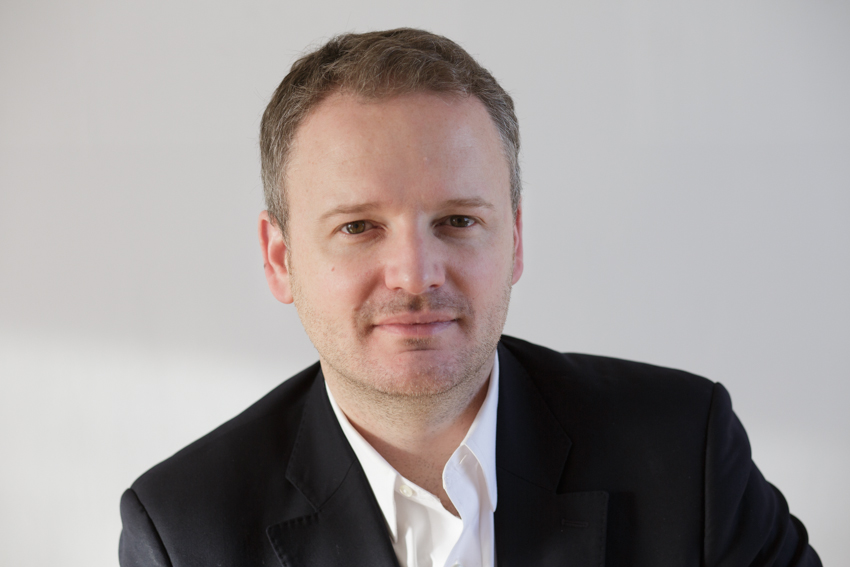
Written by: Morgan Rouprêt, MD, PhD, Professor of Urology, Pitié Salpêtrière Hospital, Sorbonne University, Paris, France
Read the Abstract
Related Content:
ESMO 2025: ALBAN: A Phase 3, Randomized, Open-Label, International Study of IV Atezolizumab and Intravesical BCG versus BCG Alone in BCG-Naïve High-Risk NMIBC
ESMO 2025: Discussant: Systemic Treatment for Non-Muscle Invasive Bladder Cancer: Clinical Precision or Overreaction?