

Using a structured PubMed and EMBASE search completed in June 2025, studies evaluating temperature exposure and healthcare utilization for nephrolithiasis, including emergency department visits and hospital admissions, were identified and synthesized. Eligibility criteria were framed using the participants-exposure-comparisons-outcome (PECO) framework. Suitable studies had to report on human adult populations, excluding those that enrolled only children. Risk of bias (RoB) was evaluated for all included studies using the ROBINS-E tool. The RoB assessment was conducted through paired review, with artificial intelligence (AI) serving as the second reviewer. A third independent reviewer resolved any discrepancies.
The primary exposure was high ambient temperature. Included studies should have quantified temperature exposure using metrics such as mean temperature at any period (e.g., day or year), wet-bulb temperature, seasonal averages, temperature percentiles, or season description. Additional temperature metrics were identified during the review and deemed appropriate as measures or indices that reflect the exposure of interest.
Across 46 included studies, the evidence demonstrated a positive association between higher ambient temperatures and renal colic. Seasonal patterns were observed globally, with peaks in the summer months in Northern Hemisphere countries and corresponding peaks in Australia between December and March. Most studies used temperatures around or below 13°C as the reference, with heat exposure typically defined by thresholds above 24°C.
Overall, heat exposure was associated with a significantly increased risk of stone-related events, with a pooled random-effects relative risk (RR) of 1.31 (95% CI 1.21–1.43). This suggests an approximately 31% higher risk of stone-related outcomes during periods of higher temperature or heat exposure. Importantly, this overall association was observed across different stone-related clinical outcomes, although the magnitude and precision of the effect varied by outcome category. Stone colic showed a pooled RR of 1.27 (95% CI 1.18–1.37), based on studies from multiple geographic regions. This subgroup contributed the largest share of the evidence, accounting for 54.7% of the total weight. Emergency visits had the strongest statistically significant association, with a pooled RR of 1.33 (95% CI 1.06–1.67). Individual estimates were generally above 1.0, indicating that heat exposure was associated with increased acute healthcare utilization for stone disease. Finally, hospitalizations showed a pooled RR of 1.36, but the 95% CI crossed the null (0.98–1.90), suggesting a positive but less precise association. This subgroup also had the greatest heterogeneity, likely reflecting differences in admission criteria, population characteristics, healthcare systems, and exposure definitions. See Figure 1.
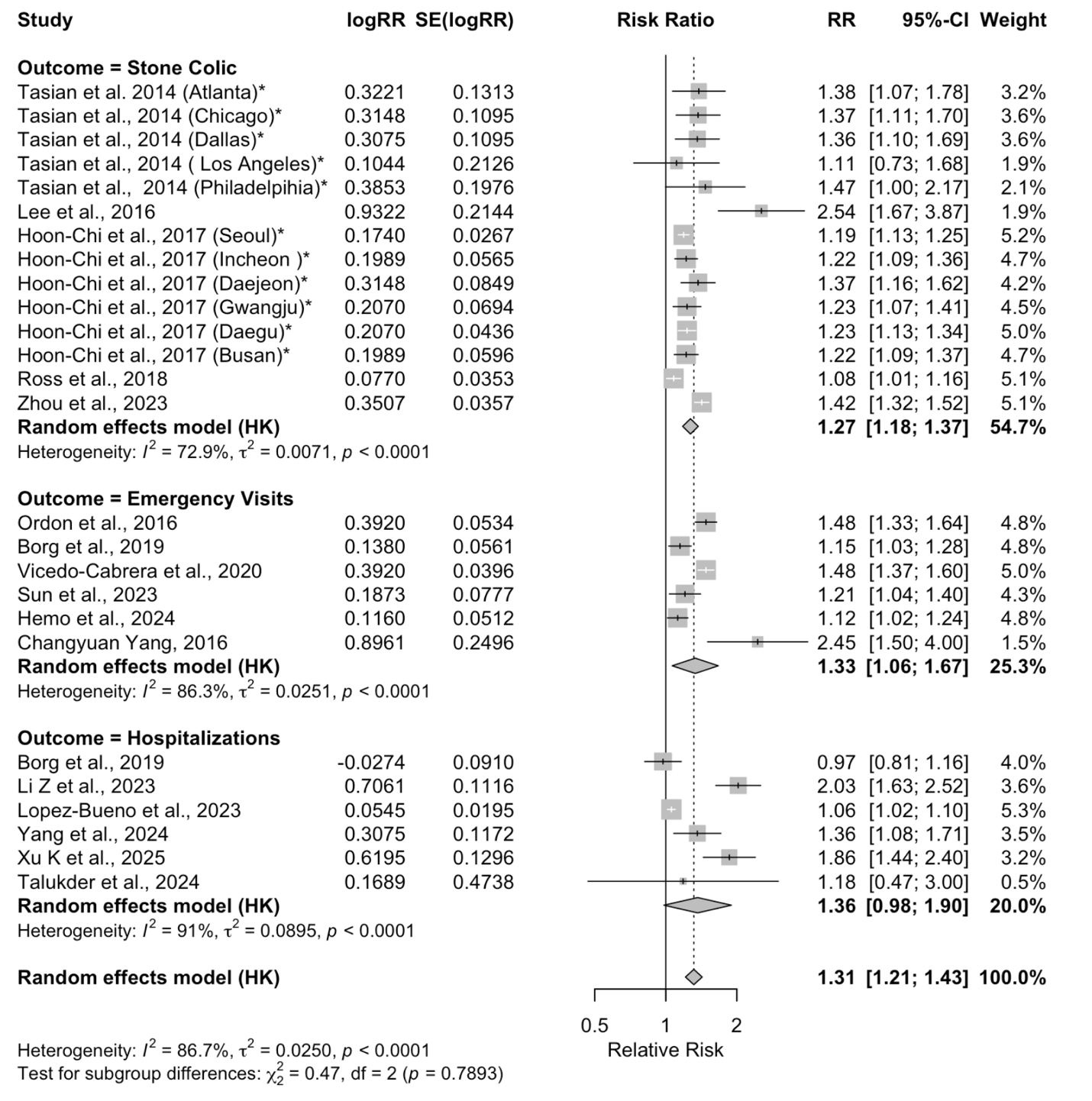
Figure 1. Subgroup Meta-analysis of Urolithiasis Risk by Outcome Type
This relationship is consistent with established physiological mechanisms, where heat exposure leads to fluid loss through sweating and reduced urine output, resulting in increased urinary calcium excretion and greater supersaturation of calcium oxalate and calcium phosphate,1,2 thereby accelerating stone formation. However, we think the mechanism underlying stone colic and symptomatic urolithiasis presentation during hot weather, as studied in this analysis, may differ. We hypothesize that reduced urine flow destabilizes existing renal calculi, increasing the likelihood of their migration into the ureter, leading to subsequent obstruction and colic. An alternative, though speculative, explanation for the observed association is that individuals experiencing dehydration during hot weather may increase their fluid intake, resulting in a sudden diuresis. This abrupt change in urine flow could dislodge existing stones, trigger their migration, and lead to symptoms due to stone passage. While this mechanism has not been studied, it may help explain the short lag period observed in some studies, which seems insufficient for stone formation but plausible for stone mobilization and obstruction.
In addition to differences in clinical outcomes, we observed variation in the timing of stone events. Although several studies reported a peak in episodes within the first three days following periods of high temperature,3-6 the pooled estimate for short lag periods was not statistically significant (RR: 1.15; 95% CI: 0.95–1.40). See Figure 2. In contrast, the highest pooled RR was observed during medium lag periods (7–10 days). See Figure 3. These findings could further support our hypothesis on passage of preexistent calculi.
Collectively, this review highlights environmental temperature as an important population-level determinant of kidney stone disease and underscores the potential role of preventive strategies targeting heat exposure and hydration.
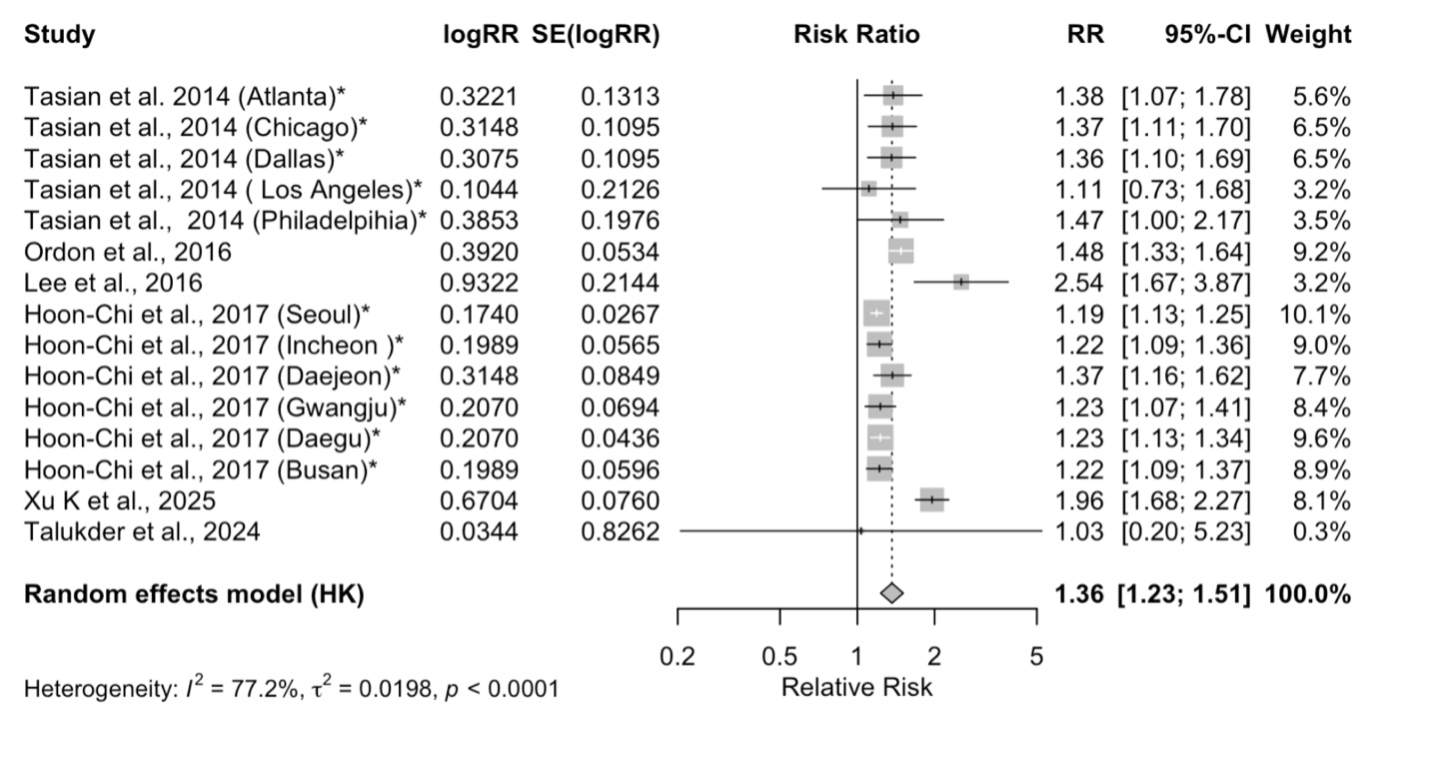
Figure 2: Effect of High Temperature on Urolithiasis: Long Lag Periods
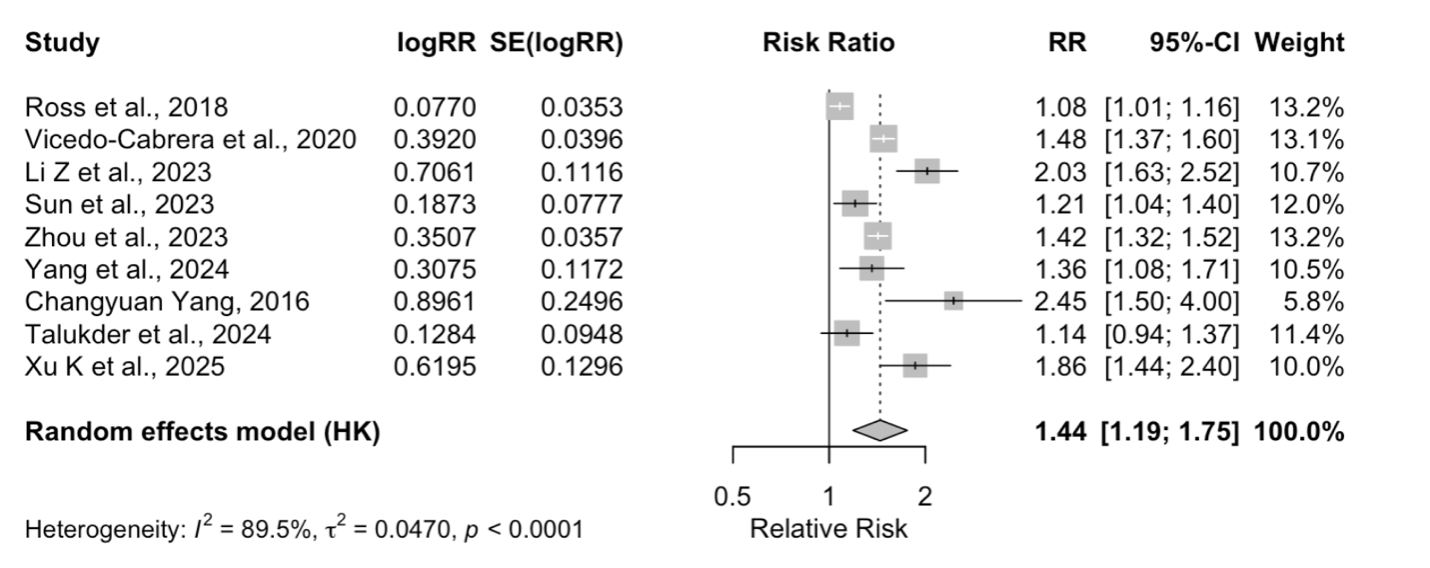
Figure 3: Effect of High Temperature on Urolithiasis: Medium Lag Periods
Written by: Juliana Villanueva-Congote,1 Juan C Marin-Urrego,2 Hasim Bakbak,3 Christina Kottooran,1 Rachna Sridhar,4 Robert Marcovich,3 Daniel A Wollin,5 Brian H Eisner6
- Department of Urology, Massachusetts General Hospital, Boston, MA, USA.
- Department of Clinical Epidemiology and Biostatistics, Pontificia Universidad Javeriana, Bogota, Colombia.
- Desai Sethi Urology Institute of the University of Miami Miller School of Medicine, Miami, FL, USA.
- University of Michigan Medical School, Ann Arbor, MI, USA.
- Department of Urology, Brigham and Women's Hospital, 45 Francis St, Boston, MA, USA.
- Department of Urology, University of Tulane, New Orleans, LA, USA.
- Dong C, Yang Y, Cheng B, Yang S, Wang Y. Environmental determinants in the development of kidney stone. Urolithiasis. 2025 Mar 3;53(1):43. doi:10.1007/s00240-025-01717-0
- Eisner BH, Sheth S, Herrick B, Pais Jr VM, Sawyer M, Miller N, et al. The effects of ambient temperature, humidity and season of year on urine composition in patients with nephrolithiasis. BJU Int. 2012 Dec 11;110(11c). doi:10.1111/j.1464-410X.2012.11186.x
- Zhou L, Chen R, He C, Liu C, Lei J, Zhu Y, et al. Ambient heat stress and urolithiasis attacks in China: Implication for climate change. Environ Res. 2023 Jan 15;217. doi:10.1016/j.envres.2022.114850 PubMed PMID: 36427640.
- Sun H, Wang X, Zhang X, Wang L, Tao M, Wang Y, et al. High ambient temperature increases the number of emergency visits for upper urolithiasis in Hefei City, China. Heliyon. 2023 Jan;9(1):e12856. doi:10.1016/j.heliyon.2023.e12856
- Malig BJ, Wu X (May), Guirguis K, Gershunov A, Basu R. Associations between ambient temperature and hepatobiliary and renal hospitalizations in California, 1999 to 2009. Environ Res. 2019 Oct;177:108566. doi:10.1016/j.envres.2019.108566
- Sirohi M, Katz BF, Moreira DM, Dinlenc C. Monthly Variations in Urolithiasis Presentations and Their Association with Meteorologic Factors in New York City. J Endourol. 2014 May;28(5):599–604. doi:10.1089/end.2013.0680