

(UroToday.com) When performing ureteroscopy for kidney stones, surgeons aim to completely remove all kidney stones to achieve a post-operative stone-free status. At the end of the procedure, surgeons subjectively determine whether a patient is stone-free (SF) or has residual fragments (RF) based on the ureteroscopic videos taken operatively. Dr. Kimberly Maciolek introduces the development and application of a computer vision model to determine patient stone-free status from ureteroscopic videos and compares this model to a surgeon’s decision.
In this study, 3 computer vision models—convolutional neural network (CNN), long-short term memory model (LSTM), and transformer model–were trained to predict stone-free status with 47 ureteroscopic videos of stone dust at the end of ureteroscopy (Figure 1). Each model was compared to the ground truth stone-free status obtained from postoperative computed tomography (CT) scans to assess for accuracy, sensitivity, and specificity. AUC-ROC analyzed the performance of each model. Additionally, 7 board-certified urologists were included to predict stone-free status to compare their accuracy to the superior computer vision model.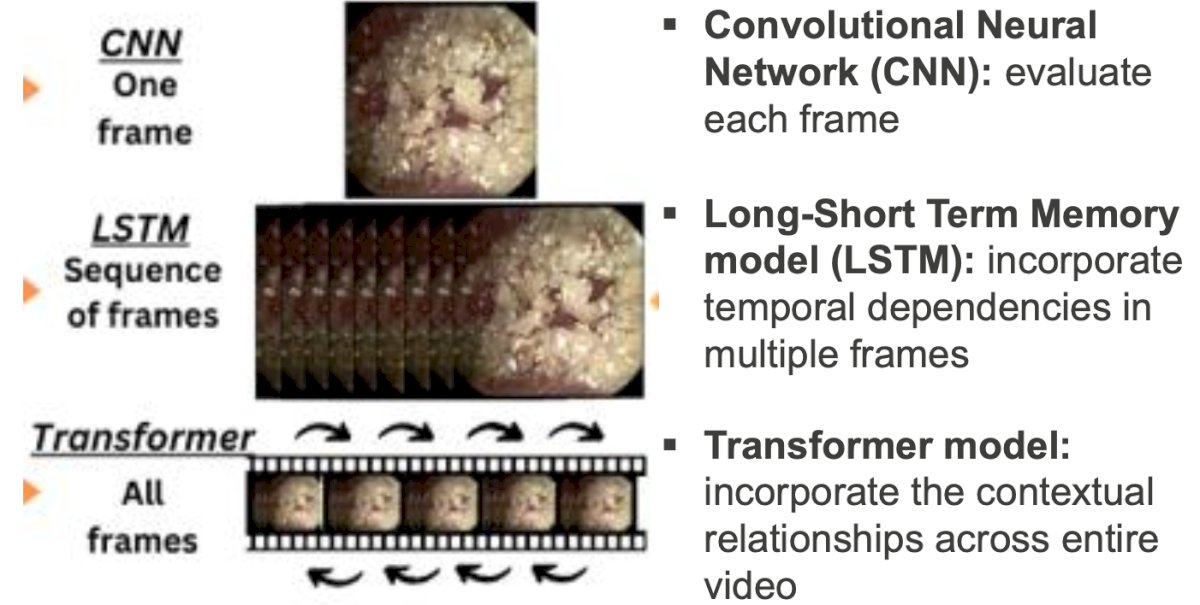
Figure 1. 3 computer vision models to predict patient stone-free status postoperatively.

Figure 2. Patient, stone, and operative characteristics were enrolled in this study.
Dr. Maciolek found that the transformer model performed the best with an AUC-ROC of 0.60, while both CNN and LSTM had an AUC-ROC of 0.50. With the transformer model being superior, this model was calculated to have an accuracy of 58%, sensitivity of 60%, and specificity of 56% when compared to the ground truth stone-free status based on postoperative CT (Figure 3).
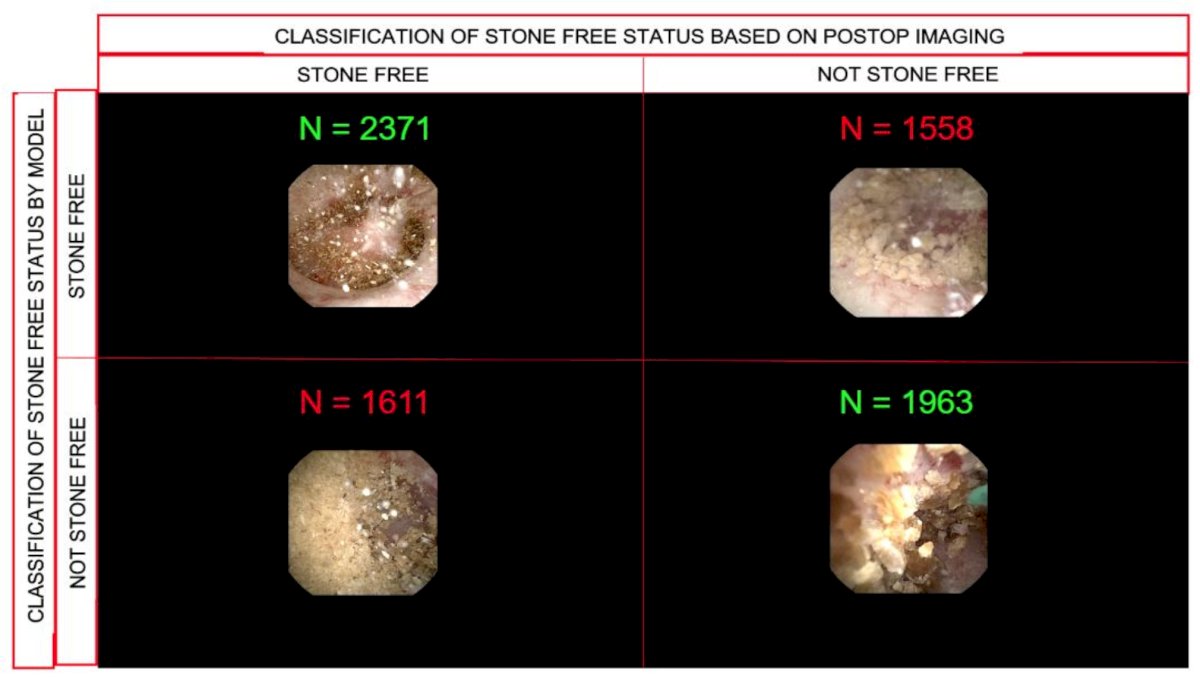
Figure 3. Confusion matrix comparing stone-free status classification between post-op CT imaging and the transformer model.
When comparing the transformer model to the 7 board-certified urologists, Dr. Maciolek establishes that the transformer model’s performance was on par with the surgeons’ predictions of stone-free status, with accuracies of 58% and 56%, respectively (Table 1).
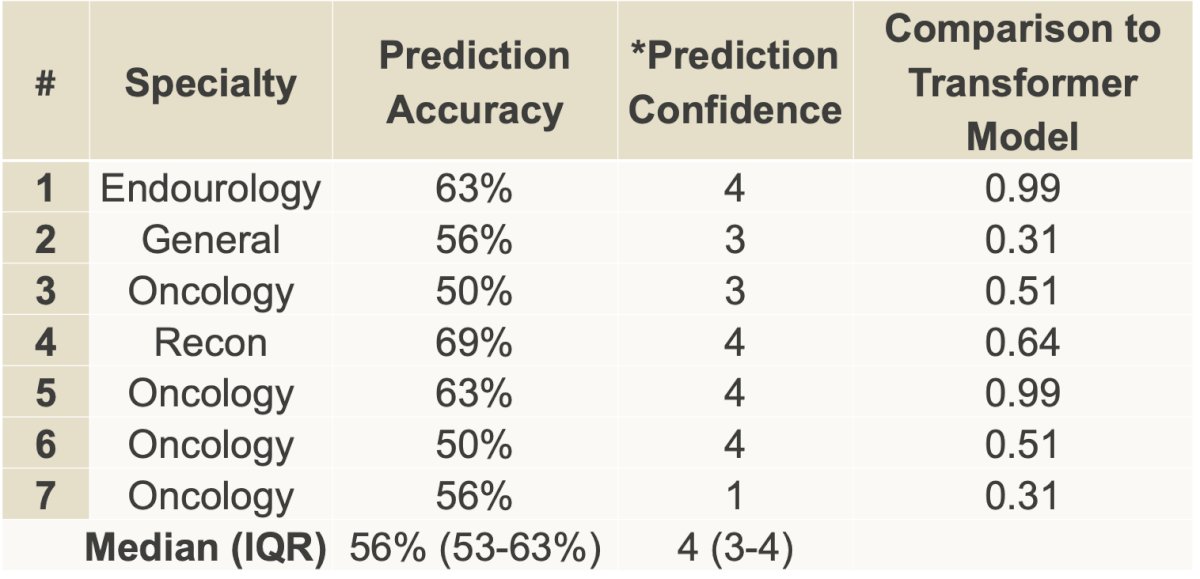
Table 1. Stone-free status prediction by 7 board-certified urologists in comparison to the transformer model.
Dr. Maciolek closed her presentation with a disclaimer that her work is still preliminary and would require more videos to add to the data to further improve the transformer model’s performance; however, she does see potential in the computer vision model for predicting stone-free status postoperatively.
Subsequently, one of the moderators, Dr. Arun Rai, asked Dr. Maciolek if she segmented for only stones or other items as well, such as renal papilla, blood clot, and irrigation to train the model, to which Dr. Maciolek succinctly replied that the model prioritizes stone detection, which is tracked throughout the videos with other items being segmented as well. Lastly, the second moderator, Dr. Wilmar Azal Neto, asked Dr. Maciolek how she plans to apply this model in clinical practice. She answered with a statement that the current state of the model cannot be used clinically, as more quality data input is needed.
Presented by: Kimberly Maciolek, MD, University of Virginia, Department of Urology, Virginia
Written by: Victor Pham, BS, University of California, Irvine, @victorpham01 on X during the 2025 World Congress of Endourology and Uro-Technology (WCET) Annual Meeting: September 8 – September 12, 2025, Phoenix, Arizona