

(UroToday.com) The 2026 USPCC annual meeting featured a molecular biomarkers session and a point-counterpoint presentation by Dr. Ashley Ross discussing that somatic genomic testing should be obtained before the diagnosis of metastatic disease.
Dr. Ross began by emphasizing that although no standard-of-care targeted therapies currently exist for patients with non-metastatic androgen-sensitive (nmAPMN) prostate cancer based solely on somatic alterations, genomic testing can still provide clinically meaningful information. Somatic next-generation sequencing may facilitate:
- Enrollment in biomarker-driven clinical trials
- Identify patients who may be candidates for off-label targeted therapies in carefully selected situations
- Provide prognostic information beyond traditional clinicopathologic variables
- Inform follow-up strategies
- Ensure that actionable genomic information is available before patients develop metastatic disease
Rather than waiting until metastatic progression to obtain genomic information, Dr. Ross argued that earlier testing allows clinicians to make more informed decisions throughout a patient's disease course.
Although many clinicians associate genomic alterations primarily with advanced disease, numerous potentially actionable mutations are already present in localized tumors. BRCA2 mutations or deletions occur in approximately 3% of localized cancers, while PI3K mutations are also observed in roughly 3%. PTEN loss represents one of the most frequent alterations, occurring in approximately 10–20% of tumors, with homozygous deletions approaching 17%. TP53 alterations occur in approximately 8–20% of localized tumors, whereas RB1 alterations remain relatively uncommon at approximately 1%. Other recurrent genomic events include CDK12 mutations (~2%), SPOP mutations (5–15%, approximately 11%), FOXA1 mutations (3–5%), and mismatch repair deficiency or MSI-high status in approximately 5% of patients: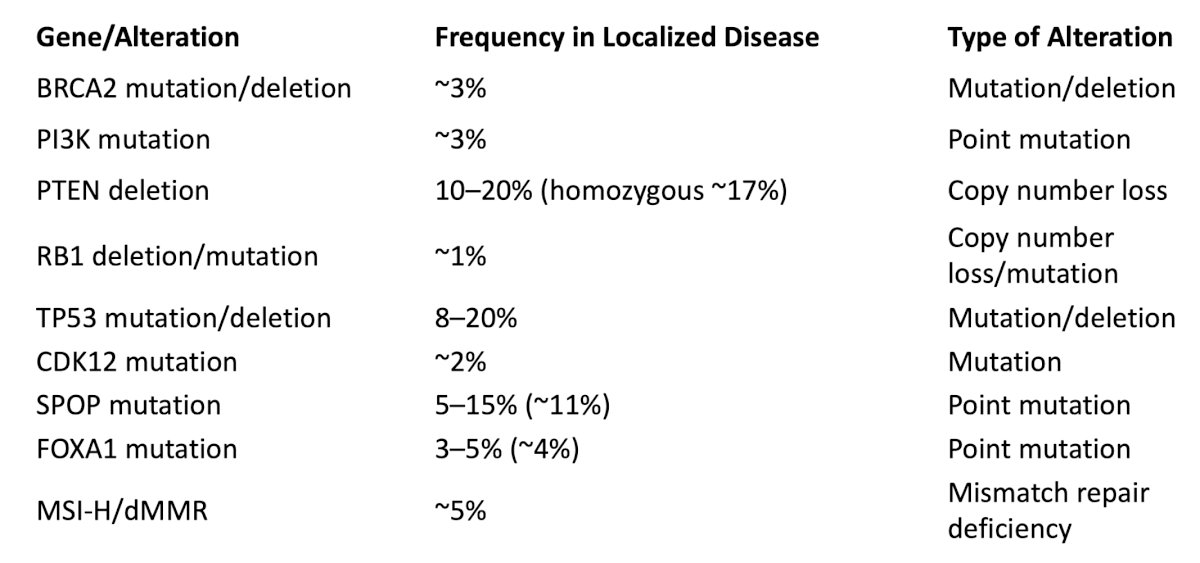
Collectively, these findings demonstrate that clinically relevant genomic alterations are not restricted to metastatic disease and may provide important biologic insights much earlier in prostate cancer progression.
Having established the prevalence of these alterations, Dr. Ross transitioned to opportunities for biomarker-selected clinical trials in localized disease. EvoPAR-Prostate02 is a randomized, double blind, placebo-controlled phase III trial evaluating adjuvant saruparib (AZD5305) following radiotherapy and ADT in patients with BRCA-mutated localized high-risk prostate cancer: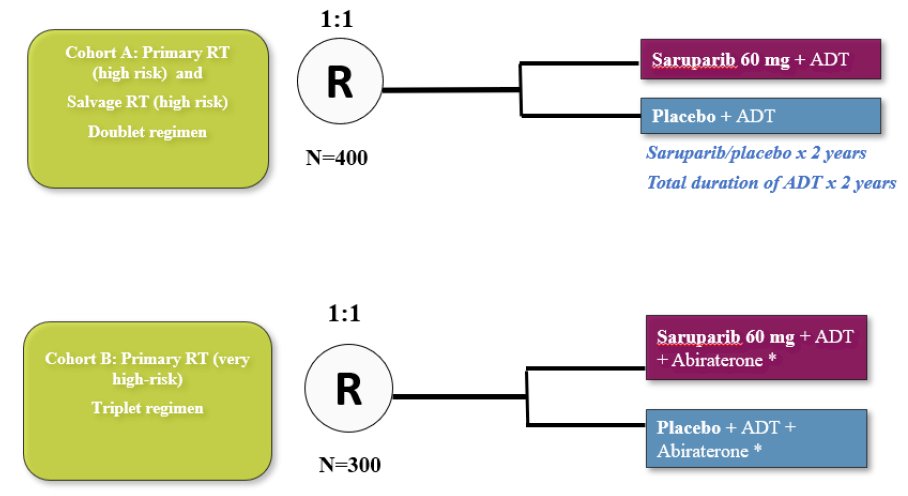
This trial demonstrates the increasing movement toward genomically selected treatment strategies in earlier stages of disease and underscores why obtaining somatic genomic information before metastatic progression may become increasingly valuable.
A second example of precision oncology in localized prostate cancer is the GUNS trial (Genomic biomarker-selected umbrella neoadjuvant study for high-risk localized prostate cancer; PI Dr. Martin Gleave). Rather than evaluating a single targeted therapy, GUNS employs an umbrella design in which patients are assigned to biomarker-selected neoadjuvant treatments based on the genomic profile of their tumors:
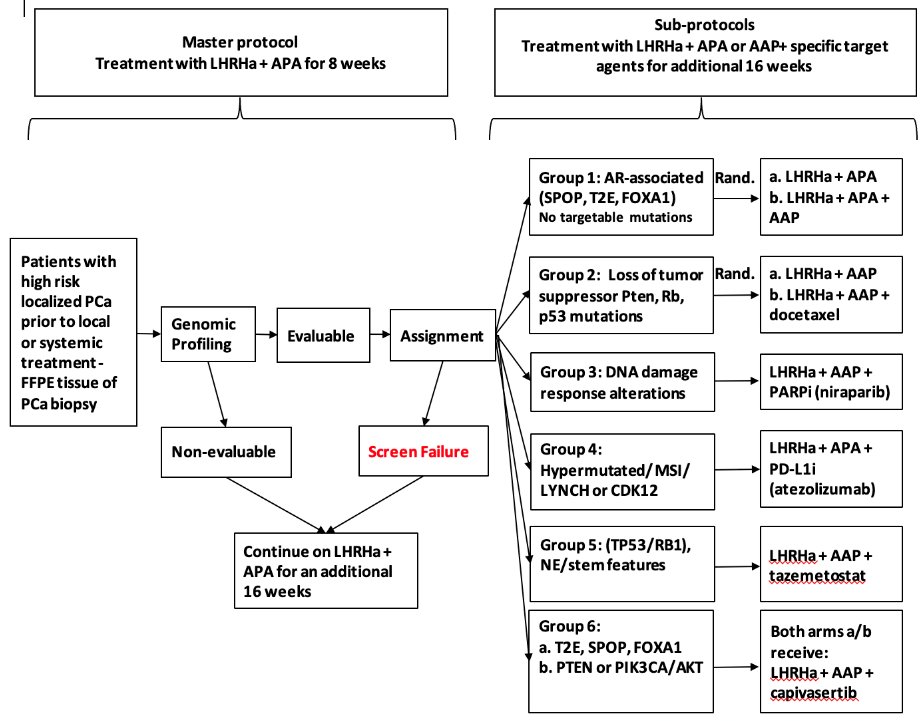
Dr. Ross noted that studies such as GUNS represent an important shift toward integrating tumor biology into treatment selection before definitive local therapy.
Of note, there are also experiences from other malignancies where somatic genomic testing has already transformed clinical practice. The phase III OlympiA trial demonstrated that one year of adjuvant olaparib significantly benefited patients with germline BRCA-mutated high-risk breast cancer following definitive therapy. Similarly, the phase II TBCRC 048 study reported a 37% overall response rate among patients harboring somatic BRCA mutations. These examples illustrate how genomic alterations initially recognized in metastatic disease ultimately became incorporated into earlier treatment paradigms once prospective evidence accumulated. Dr. Ross suggested that prostate cancer may be following a similar trajectory.
Recently, there has been phase II data reported evaluating olaparib in patients with high-risk biochemical recurrence.1 All patients received olaparib monotherapy until disease progression. Among the 11 patients harboring germline or somatic BRCA mutations, every patient experienced a PSA50 response or better:
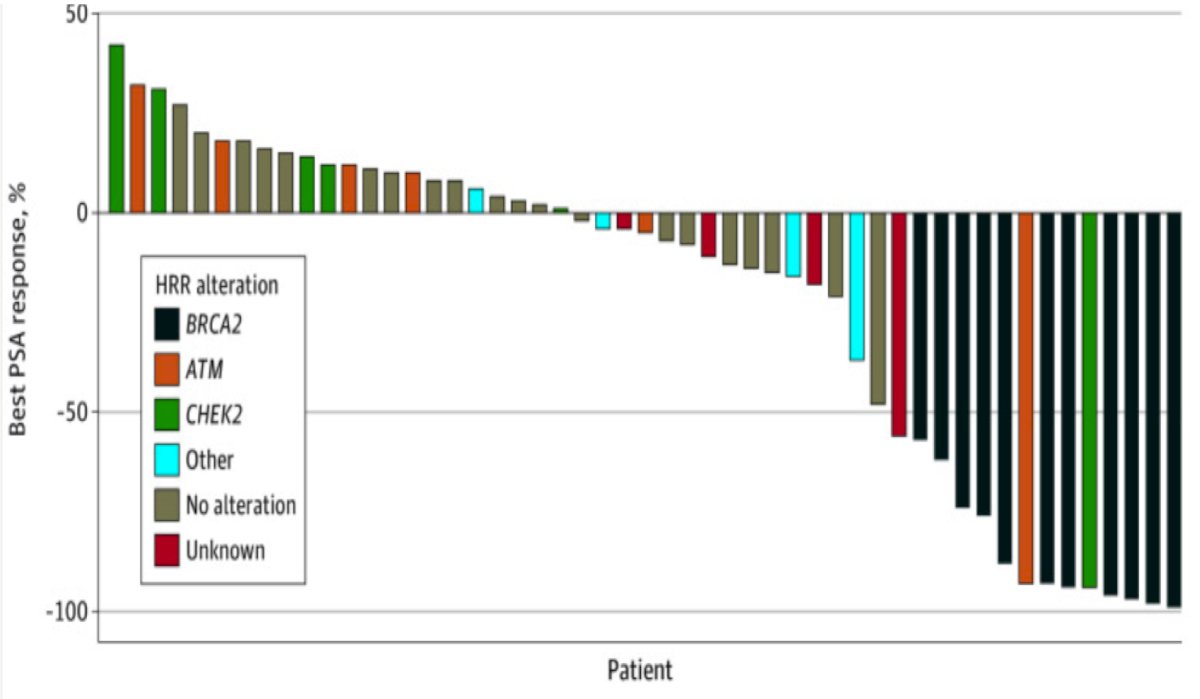
Importantly, toxicity remained manageable, with only 2% of patients experiencing grade 3 anemia. Although preliminary, these findings provide additional evidence that identifying actionable somatic alterations earlier in the disease course could ultimately expand therapeutic opportunities beyond metastatic disease.
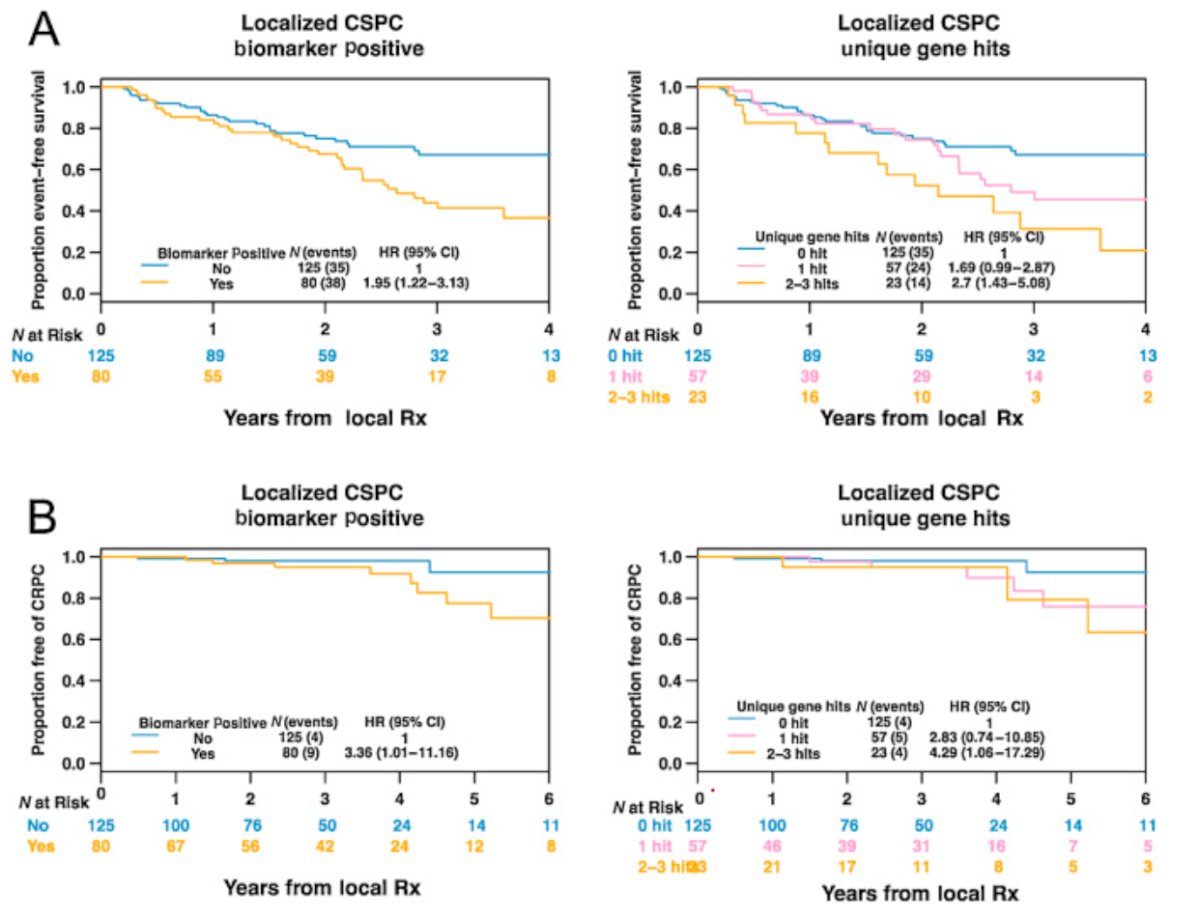
Beyond therapeutic implications, Dr. Ross emphasized the prognostic value of somatic genomic alterations.2,3 Alterations involving RB1, combined alterations in TP53/PTEN/RB1, and CDK12 loss have consistently been associated with worse clinical outcomes, including biochemical recurrence, metastatic progression, and development of castration resistant disease. Conversely, SPOP mutations appear to define a biologically distinct subgroup with a comparatively more favorable prognosis, particularly among patients receiving ADT:
Finally, Dr. Ross addressed an often-overlooked advantage of early genomic testing: preparing patients for future lines of therapy. He noted that many patients eligible for targeted therapies ultimately never receive them because genomic testing is delayed until late in the disease course or is not performed at all. Using PARP inhibitors as an example, data from the Flatiron registry4 demonstrated that only approximately 50% of patients with metastatic castration-resistant prostate cancer (mCRPC) harboring BRCA1/2 alterations ultimately received PARP inhibitor therapy. Although testing rates continue to increase, testing frequently occurs after first-line metastatic treatment and, in some patients, is never performed. Earlier identification of actionable genomic alterations may therefore facilitate more timely treatment decisions once patients progress to advanced disease.
Presented by: Ashley Ross, MD, PhD, Associate Professor of Urology and Clinical Director, Polsky Urological Oncology Center, Northwestern University, Chicago, IL
Written by: Zachary Klaassen, MD, MSc – Urologic Oncologist, Associate Professor of Urology, Georgia Cancer Center, Wellstar MCG Health, @zklaassen_md on Twitter during the United States Prostate Cancer Consensus (USPCC) 2026 Annual Meeting, Deer Valley, UT, Thurs, July 30 – Sat, Aug 1, 2026.
References:
- Marshall CH, Teply BA, Lu J, et al. Olaparib without androgen deprivation for high-risk biochemically recurrence prostate cancer following prostatectomy: A nonrandomized controlled trial. JAMA Oncol. 2024 Oct 1;10(10):1400-1408.
- Swami U, Graf RP, Nussenzveig RH, et al. SPOP mutations as a predictive biomarker for androgen receptor axis-targeted therapy in de novo metastatic castration-sensitive prostate cancer. Clin Cancer Res. 2022 Nov 14;28(22):4917-4925.
- Reimers MA, Yip SM, Zhang L, et al. Clinical outcomes in cyclin-dependent kinase 12 mutant advanced prostate cancer. Eur Urol. 2020 Mar;77(3):333-341.
- Ostrowski M, Jo Y, Chehade CH, et al. Receipt of PARP inhibitors in patients with metastatic prostate cancer harboring BRCA1/2 alterations. JAMA Netw Open. 2025 Oct 1;8(10):e2534968.