

(UroToday.com) The 2026 SNMMI annual meeting featured a genitourinary radiotherapeutics session and a presentation by Dr. Minseok Suh discussing a phase I/II trial in mCRPC assessing the predictive value of baseline PSMA PET imaging biomarkers in 177Lu-DGUL therapy. 177Lu-DGUL (Pocuvotide Satetraxetan) is a novel PSMA-targeting radioligand therapy utilizing a Glu-Urea-Lys derivative conjugated to a DOTA chelator, which has been shown to have lower uptake in normal organs and rapid clearance:
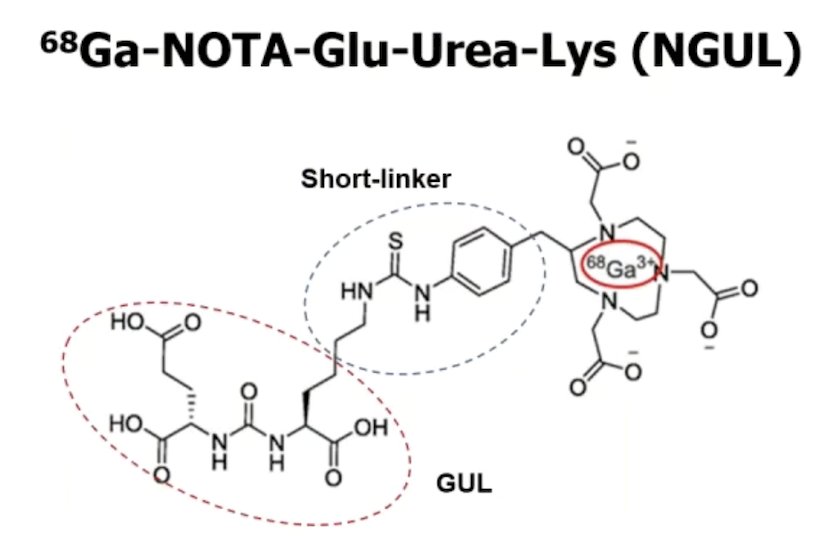
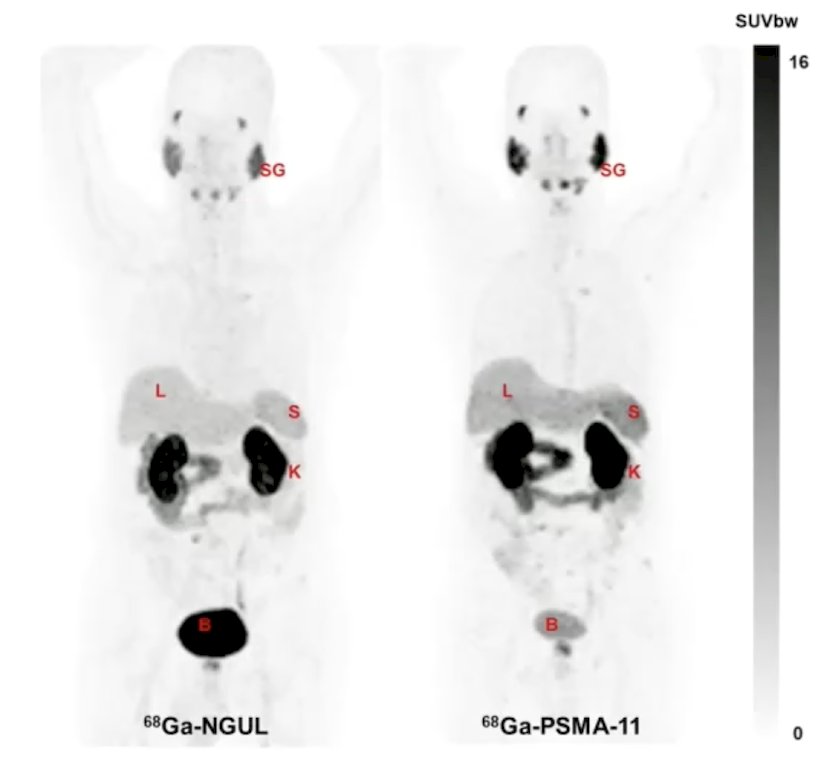
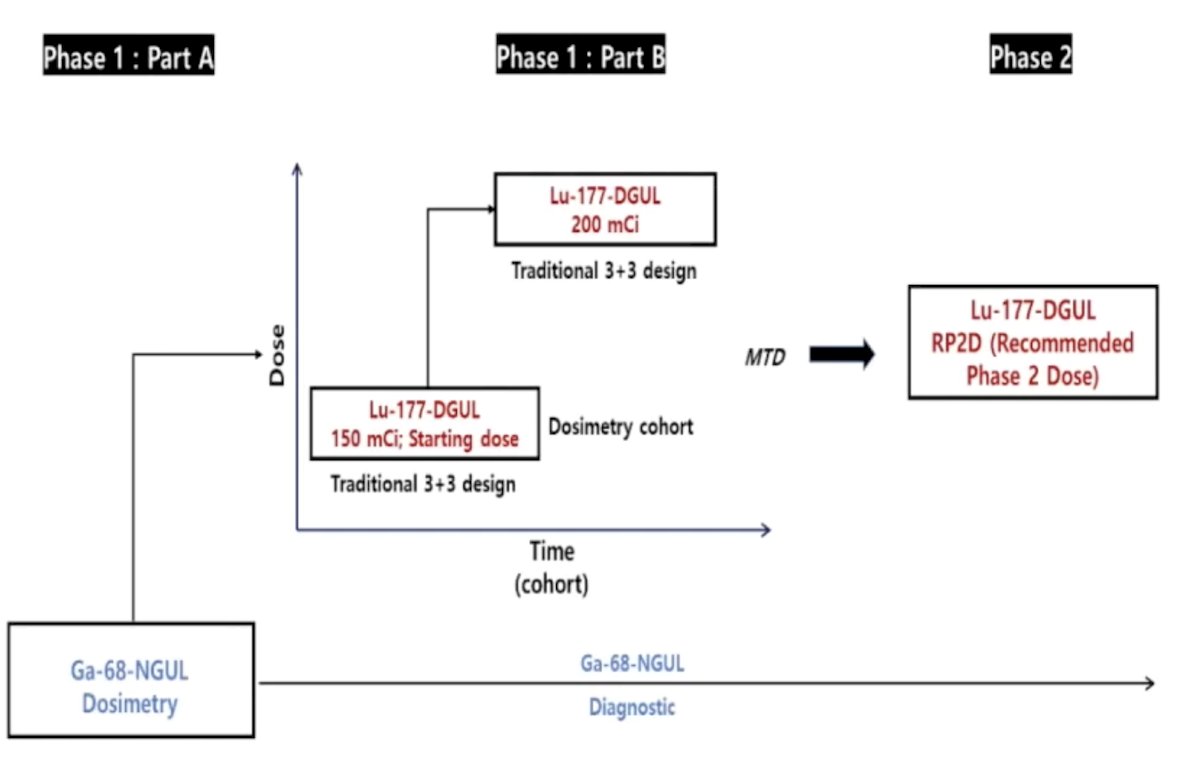
Following the prospective phase I/II study (NCT05547061), this sub-analysis aims to identify which baseline PSMA PET-derived imaging biomarkers best predict objective and biochemical responses in patients with mCRPC. The original trial design of the phase I/II study is highlighted in the following figure:
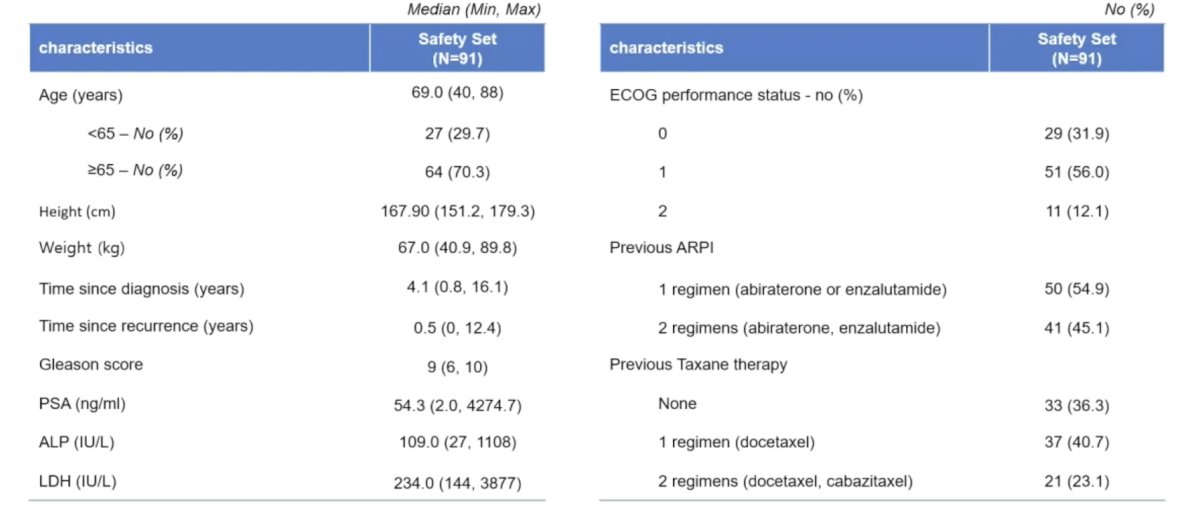
Of the 91 patients enrolled and treated with 177Lu-DGUL in this phase II study, 78 patients were evaluable for treatment response and included in this imaging sub-analysis. The baseline characteristics for the 91 patient cohort is as follows in the table, representing a standard mCRCP cohort:
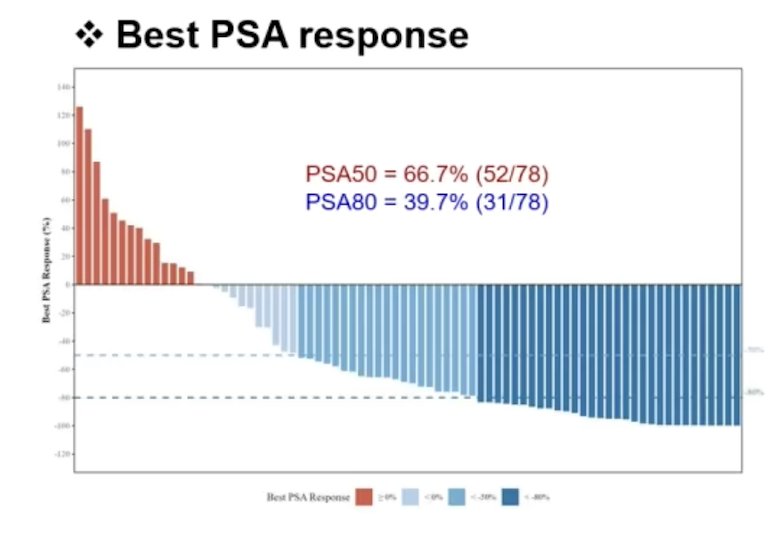
Within the evaluable group (n = 78), the confirmed objective response rate was 35.9%, and the disease control rate was 59.0%. PSA50 response rate was 66.7% and PSA80 response rate was 39.7%:
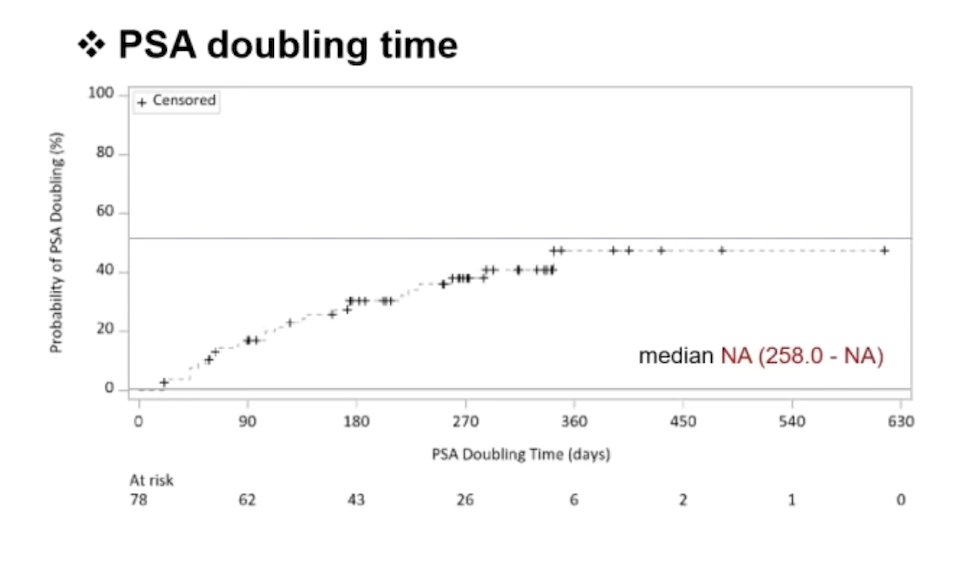
The median PSA doubling time was not reached (95% CI 258 – not reached):
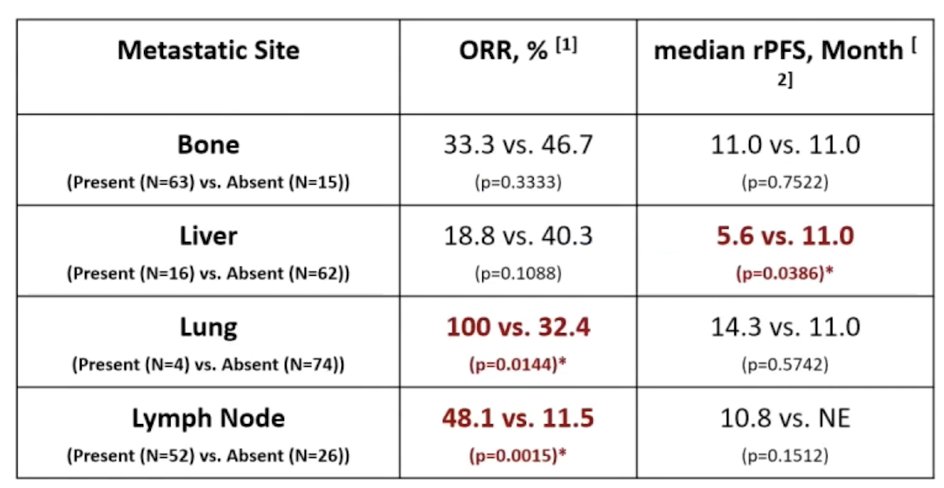
Exploratory efficacy results showed that based on an updated analysis as of April 30, 2026, the median overall survival was 13.4 months (95% CI 11.8-17.6) and the median progression-free survival by RECIST v1.1 was 11.0 months (95% CI 8.3-14.3). Patients with lung and lymph node metastases demonstrated significantly higher objective response rates compared to those without, whereas liver metastases were a poor prognostic factor for radiographic progression-free survival:
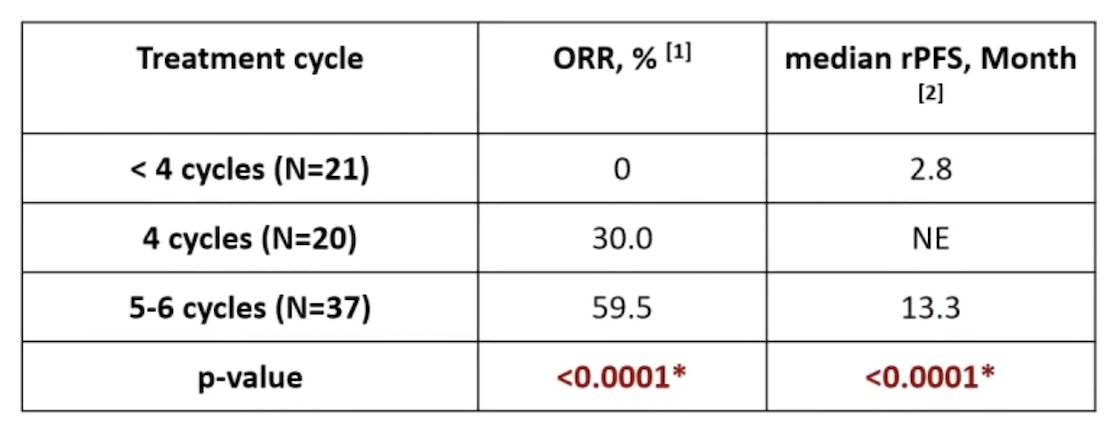
A dose-dependent improvement in clinical outcomes (objective response rate and radiographic progression-free survival) was observed with an increasing number of treatment cycles:
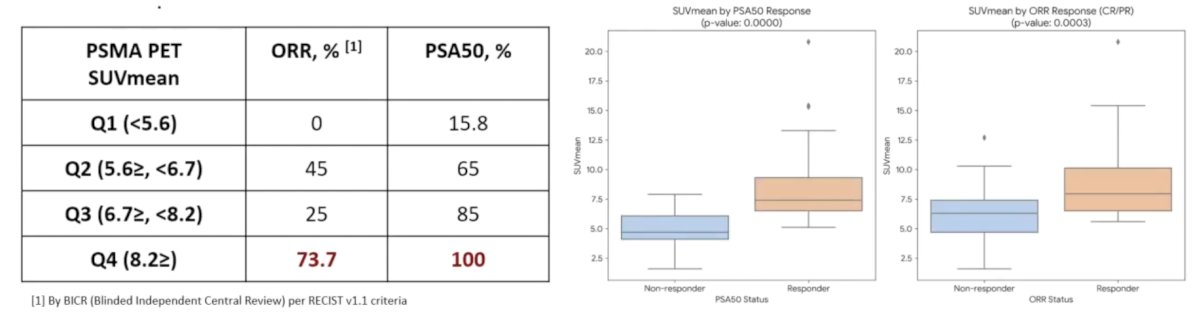
SUVmean was the most robust and consistent predictor of response, demonstrating superior discriminative performance compared to tumor volume-based metrics for both objective response and PSA50 outcomes:
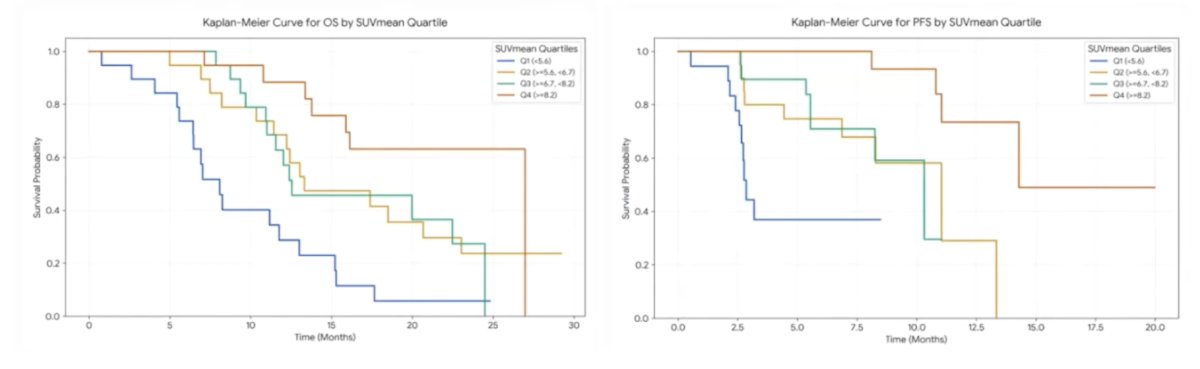
SUVmean served as the significant prognostic determinant for prognostic outcomes, stratifying patients for both progression-free survival and overall survival:
Dr. Suh concluded his presentation discussing a phase I/II trial in mCRPC assessing the predictive value of baseline PSMA PET imaging biomarkers in 177Lu-DGUL therapy with the following take-home points:
- Primary efficacy outcome: The RECIST v1.1-based objective response rate was 35.9% in the evaluable group and 47.4% in the measurable group
- Secondary efficacy results: Regarding the best PSA response, the proportions of patients achieving a PSA50 and PSA80 were 66.7% and 39.7%, respectively
- Exploratory survival analysis: Based on the latest follow-up data, the median overall survival was 13.4 months (95% CI: 11.8–17.6), and the median radiographic progression-free survival was 11.0 months
- Subgroup analysis: Subgroup analyses revealed that patients with lung or lymph node metastases exhibited a higher objective response rate, those with liver metastases experienced a shorter progression-free survival, and a greater number of treatment cycles was associated with better therapeutic response and survival outcomes.
- Baseline PSMA PET analysis: Baseline PSMA PET analysis demonstrated that SUVmean was a robust predictor of therapeutic response and was significantly correlated with both progression-free survival and overall survival
Presented by: Minseok Suh, MD, PhD, Seoul National University Hospital, Seoul, Republic of Korea
Written by: Zachary Klaassen, MD, MSc – Urologic Oncologist, Associate Professor of Urology, Georgia Cancer Center, Wellstar MCG Health, @zklaassen_md on Twitter during the Society of Nuclear Medicine and Molecular Imaging (SNMMI) 2026 Annual Meeting, Los Angeles, CA, Sat, May 30 – Tues, Jun 2, 2026.