

(UroToday.com) The 2025 South Central AUA annual meeting included a session on kidney cancer, featuring a presentation from Dr. Jared Starkey discussing pre-clinic educational information’s effect on anxiety in patients with renal masses. The psychological burden associated with a new diagnosis of a renal mass is considerable, manifesting as heightened anxiety levels in patients.
There is an abundance of non-proprietary, well-researched, and peer-reviewed online resources that offer valuable educational information about renal masses, prognosis, and treatment modalities. However, given potential wait times between a patient being informed of a renal mass and their appointment with a urologist, the goal of this study was to evaluate the impact of pre-consultation educational interventions on patient anxiety levels.
This was a prospective, controlled clinical trial for patients with a newly diagnosed renal mass who were scheduled for a urology consultation. Patients who had seen a urologist previously and were seeking a second opinion were excluded from this study. In the control group, anxiety levels were assessed using the validated Patient-Reported Outcomes Measurement Information System (PROMIS) Anxiety Questionnaire both prior to and after the urologic consultation:
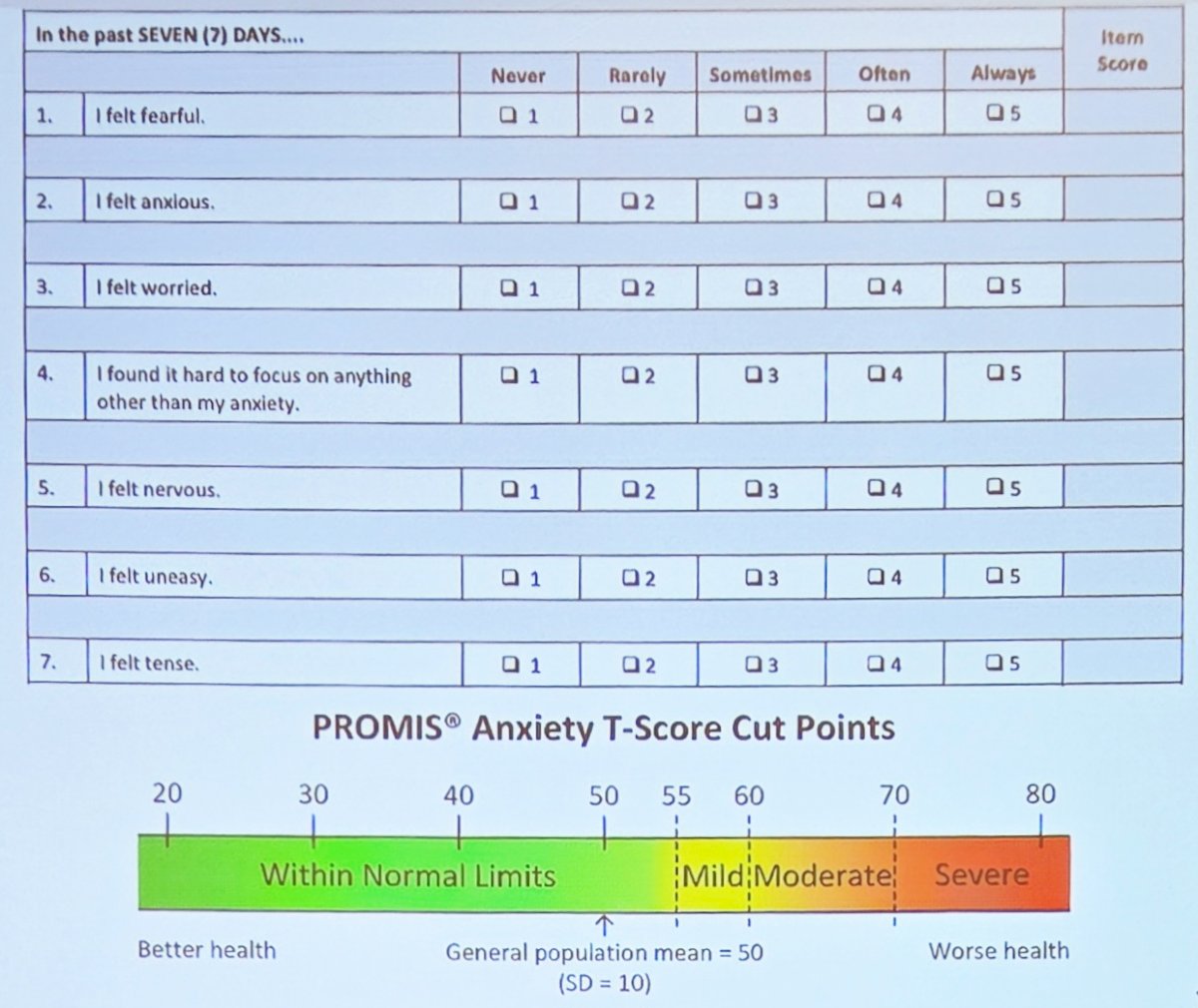
In the intervention group, after the baseline anxiety assessments, participants received internet links to an educational video and website on renal masses from the Urology Care Foundation. The PROMIS questionnaire was repeated after they reviewed the educational information and once again after the urologic consultation.
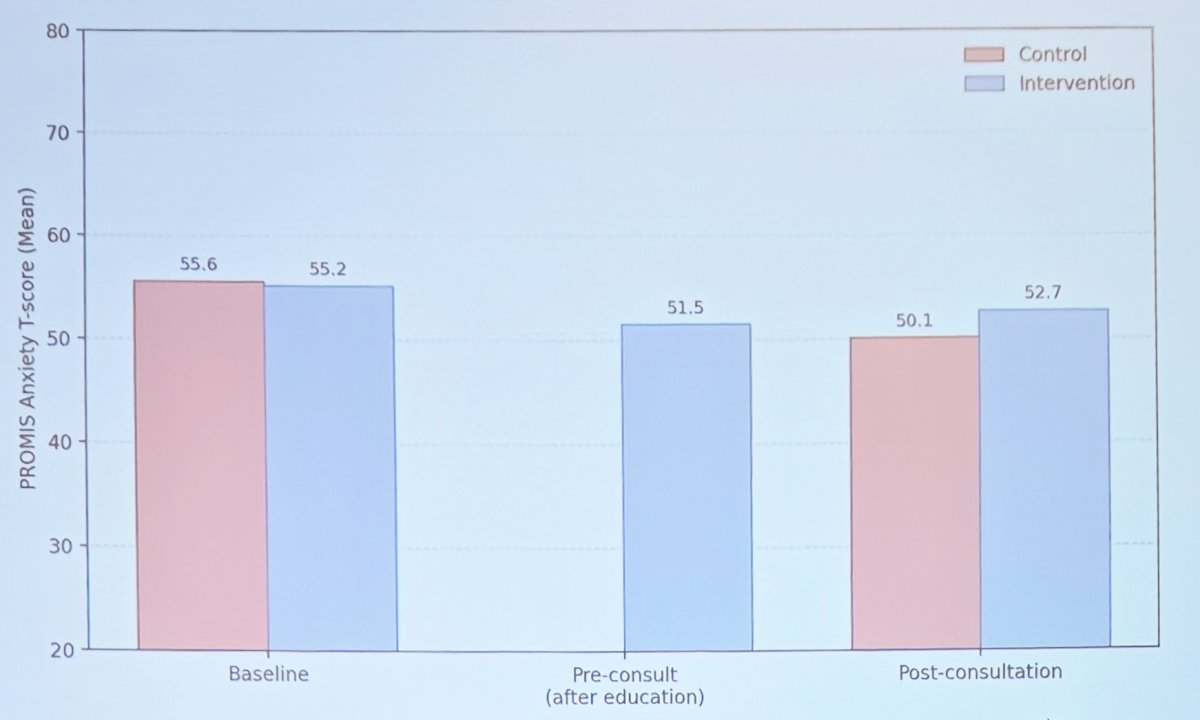
A total of 82 patients were enrolled in this prospective trial (control: n = 50; intervention: n = 32). Baseline PROMIS T-scores were similar between groups (control: 55.6 ± 10.3; intervention: 55.2 ± 11.4). Following the educational material review, anxiety scores in the intervention group decreased by 6.7% (51.5 ± 11.2) and remained lower post-consultation by 4.5% (52.7 ± 12.6). In the control group, a decrease in anxiety score of 9.9% (50.1 ± 9.4) was observed after the physician visit.
Dr. Jared Starkey concluded his presentation discussing pre-clinic educational information’s effect on anxiety in patients with renal masses with the following take-home points:
- Pre-consultation online educational materials effectively reduce anxiety in patients newly diagnosed with a renal mass, with sustained effects following clinical encounters
- Given the ease with which these materials can be distributed, these resources can enhance patient preparedness, facilitate more productive physician-patient discussions, and improve overall satisfaction
- Integrating pre-consultation educational interventions into routine clinical practice may optimize patient experience and shared decision-making
- There is a potential application for additional urologic oncology diagnoses
Presented by: Jared Starkey, MD, University of Kansas Department of Urology, Kansas City, MO
Written by: Zachary Klaassen, MD, MSc – Urologic Oncologist, Associate Professor of Urology, Georgia Cancer Center, Wellstar MCG Health, @zklaassen_md on Twitter during the 2025 South Central American Urological Association (AUA) Annual Meeting, Orlando, FL, Wed, Sept 10 – Sat, Sept 13, 2025.