

(UroToday.com) The Interdisciplinary Genitourinary Cancer Forum 2025, held between June 19 – 21, 2025 held in St. Petersburg, Florida, United States, was host to the Prostate Cancer Session 1: Prevention, Early Detection, and Molecular Markers. Dr. Tom Jayram discussed Somatic and Germline Testing in Prostate Cancer.
Prostate cancer is a highly heritable disease, with familial clustering accounting for up to 60% of cases. Despite this strong genetic predisposition, the incidence of prostate cancer at younger ages remains relatively low, with estimates suggesting a prevalence of just over 1 in 400 among men under the age of 50.
In recent years, emerging data and the identification of actionable molecular targets have shifted attention toward the role of genetic alterations in advanced disease. Notably, germline mutations in homologous recombination repair (HRR) genes are present in approximately 12% of men with metastatic prostate cancer. In addition, multicenter studies have shown that 23–28% of men with metastatic castration-resistant prostate cancer (mCRPC) harbor somatic mutations in DNA repair genes, further underscoring the relevance of genomic profiling in this setting. It is important to distinguish between genetic risk and genomic risk. While both concepts contribute to our understanding of prostate cancer biology, they reflect different dimensions of disease susceptibility and progression.
Family history remains a key contributor to prostate cancer risk, with the degree of risk influenced by the number and relationship of affected relatives. For example, having a brother diagnosed with prostate cancer at any age confers a relative risk of 3.14 (95% CI: 2.37–4.15), while having an affected father is associated with a relative risk of 2.35. The age at diagnosis also plays a role, with earlier onset in relatives generally correlating with higher risk. Additionally, a family history that includes both prostate and breast cancer may reflect shared hereditary factors, such as BRCA mutations, further elevating risk.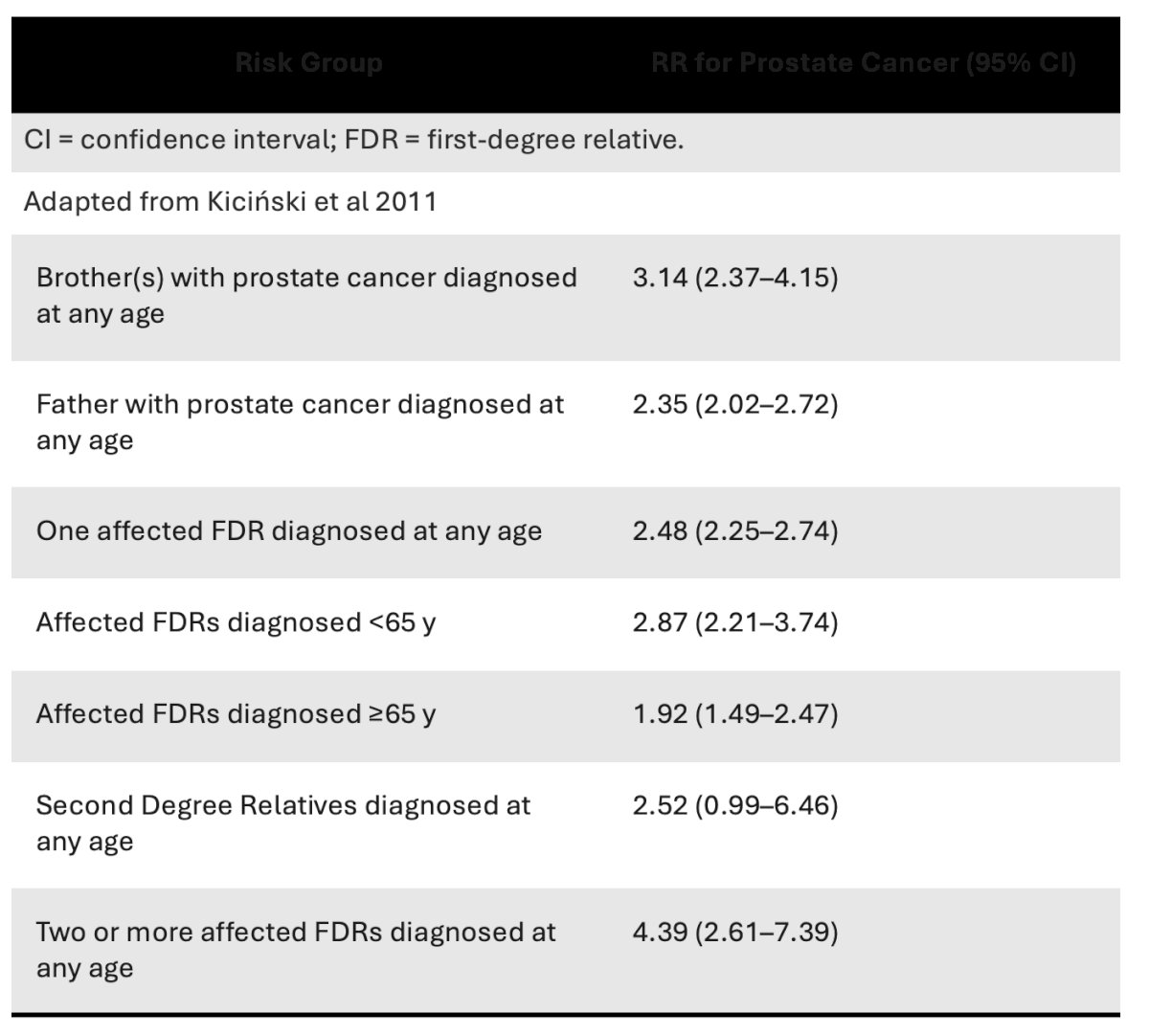
Germline testing
Germline testing plays a critical role in the evaluation of inherited cancer risk. Conducted using a blood or saliva sample, this type of testing identifies genetic alterations that are present in all cells of the body. Beyond informing a patient's individual cancer risk, germline results can have significant implications for family members by guiding cascade testing and early detection strategies. In prostate cancer, germline findings may also influence treatment decisions, particularly in the context of targeted therapies for DNA repair deficiencies.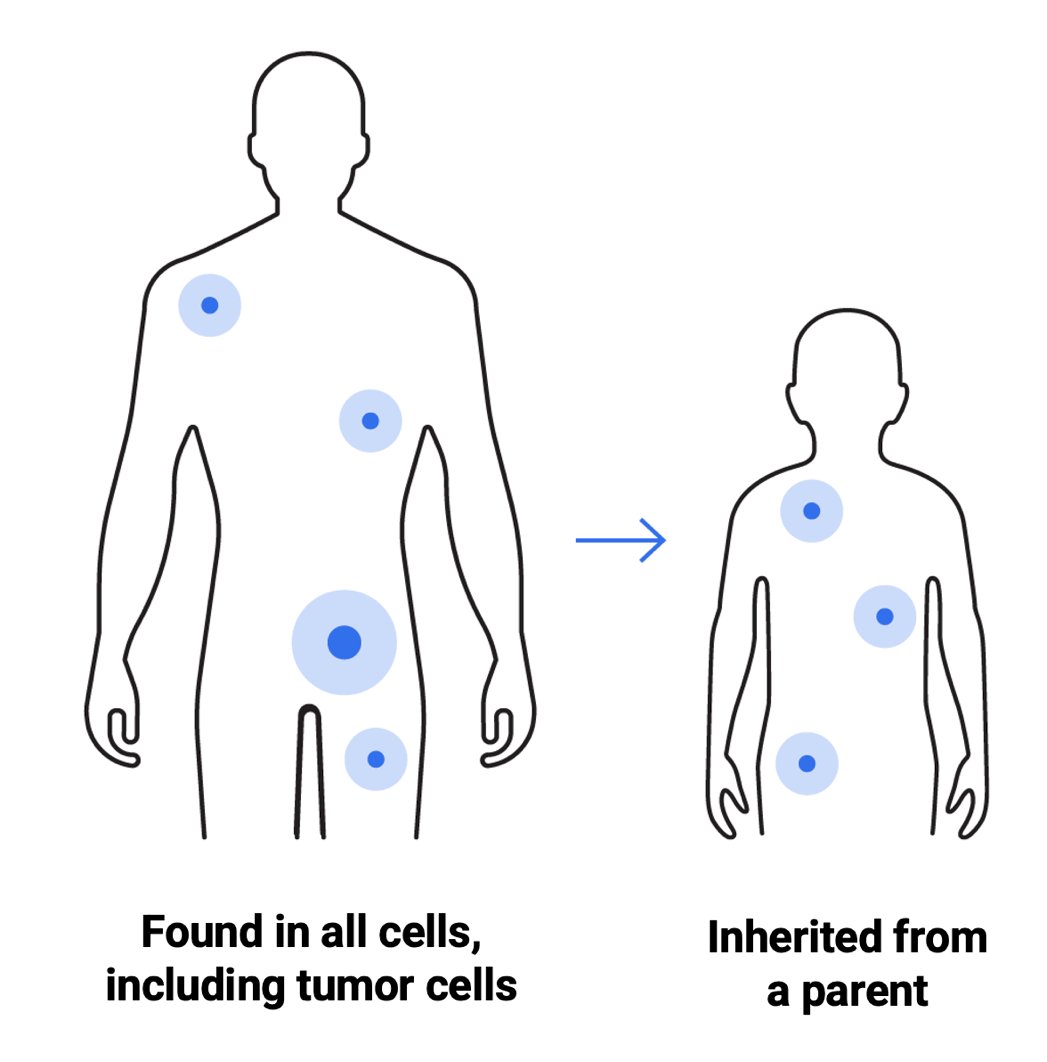
Dr. Jayram presented findings from a study involving 692 men with metastatic prostate cancer, irrespective of family history or age. Germline DNA was collected using buccal swabs or whole blood, and whole-exome next-generation sequencing was performed to evaluate 20 DNA repair genes associated with cancer predisposition. Overall, 11.8% of men were found to harbor germline mutations. The most frequently altered gene was BRCA2 (5.3%), followed by CHEK2 (1.9%) and ATM (1.6%). For context, the prevalence of germline mutations in men with localized prostate cancer was 4.6%, and just 2.7% in individuals without a known cancer diagnosis.1
Dr. Jayram highlighted that patient who should undergo germline testing are:
- Men with metastatic prostate cancer.
- Men with localized prostate cancer, if any of the following apply:
- Ashkenazi Jewish ancestry (carrier frequency approximately 1 in 50)
- Advanced clinical stage (T3a or higher)
- Intraductal or ductal histology
- Grade Group 4 or higher (Gleason score 8 or above)
- Based on family history of prostate cancer:
- One first-degree relative (father or brother) with prostate cancer
- Two or more male relatives with any of the following:
- Diagnosis before age 60
- Metastatic prostate cancer
- Death from prostate cancer
- Based on family history of other cancers (Hereditary Breast and Ovarian Cancer syndrome or Lynch spectrum):
- Two or more related cancers on the same side of the family
- Especially if diagnosed before age 50
Somatic testing is used to identify genomic alterations that are present only in the tumor cells. This testing is performed on a tumor biopsy or surgical resection specimen and is aimed at guiding treatment decisions based on the molecular profile of the cancer. Unlike germline testing, somatic testing does not provide information about inherited cancer risk, as the alterations are not present in all cells of the body.
Dr. Jayram provided a brief overview of the PROfound study, a phase III trial that evaluated the efficacy of the PARP inhibitor olaparib in men with mCRPC with HRR gene alterations. Patients were divided into two cohorts: Cohort A included those with BRCA1, BRCA2, or ATM mutations, while Cohort B included patients with other HRR alterations. Participants were randomized in a 2:1 ratio to receive olaparib or physician’s choice of abiraterone or enzalutamide.2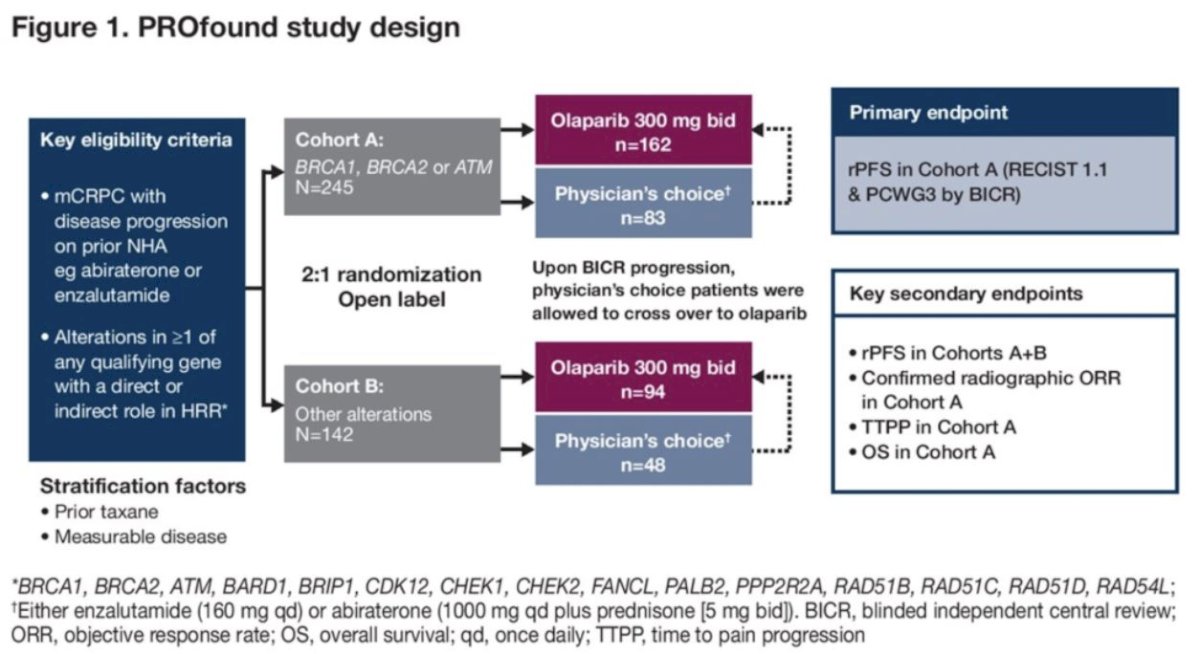
Notably, the PROfound study found that homologous recombination repair (HRR) gene mutations were present in approximately 28% of patients with metastatic castration-resistant prostate cancer. Among these, BRCA2 mutations were the most common, identified in 8.7% of patients, followed by CDK12 in 6.3% and ATM in 5.9%, as illustrated below.2
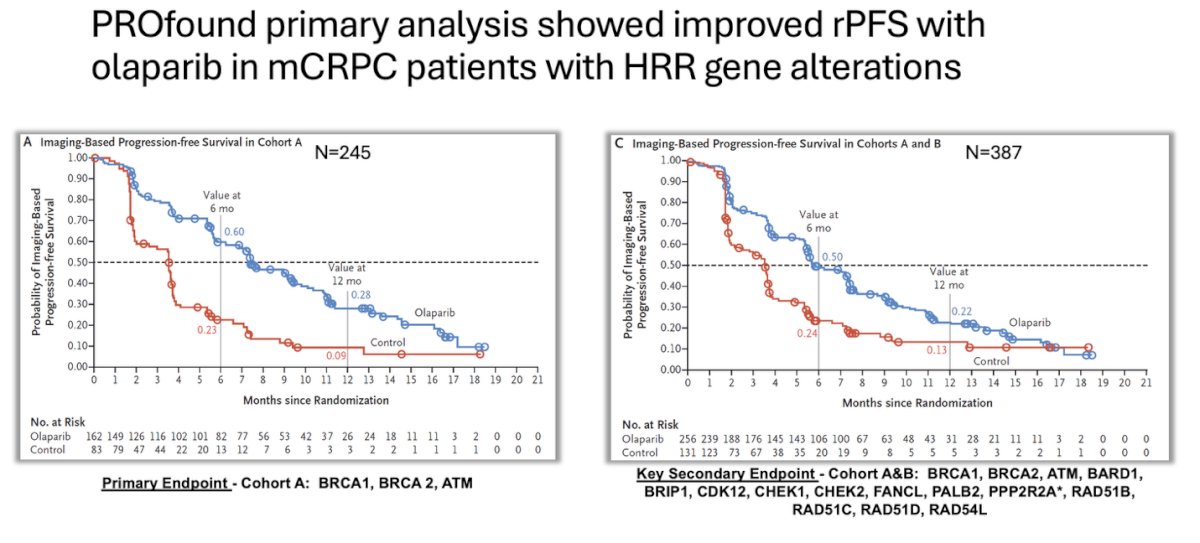
Dr. Jayram noted that the PROfound trial led to the approval of olaparib as a treatment option for patients with mCRPC and HRR gene alterations. The trial demonstrated improved radiographic progression-free survival (rPFS) in men with HRR-deficient mCRPC who had previously received abiraterone or enzalutamide. The graphs presented below show rPFS outcomes with olaparib in both Cohort A alone and in the combined Cohorts A and B.
As previously discussed, tumor testing for homologous recombination repair mutations has been incorporated into clinical guidelines. The NCCN Guidelines recommend considering tumor testing for HRR mutations, as well as microsatellite instability (MSI) or deficient mismatch repair (dMMR), even before a diagnosis of metastatic disease in patients with regional prostate cancer. In the metastatic setting, HRR mutation testing is recommended to help guide treatment decisions.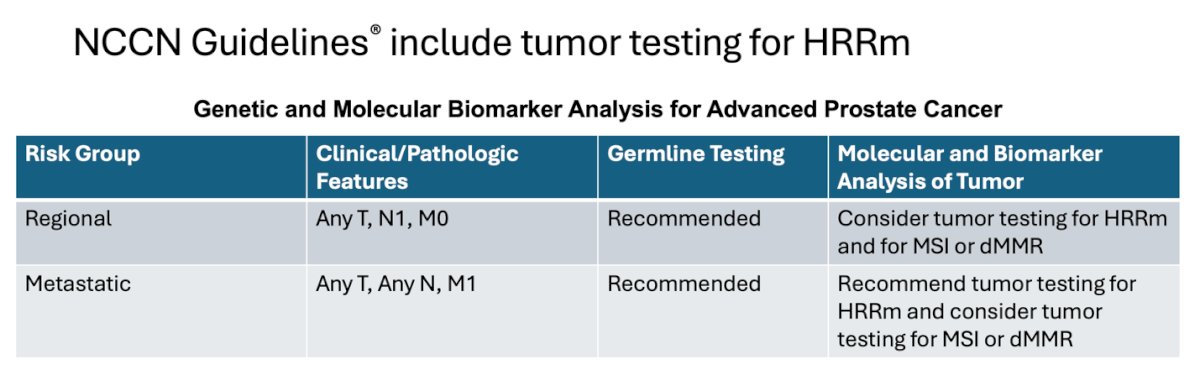
While tissue remains the gold standard for genomic testing, it is not always accessible, particularly in patients with limited or difficult-to-biopsy disease. In such cases, circulating tumor DNA (ctDNA) may serve as a useful surrogate, especially when targeting specific mutations. In a study evaluating liquid biopsy approaches, higher PSA levels, greater tumor volume, and the presence of castration-resistant disease were all significantly associated with successful detection of somatic alterations via ctDNA.3
In patients with Lynch syndrome, a germline mutation in one of the mismatch repair genes MLH1, MSH2, MSH6, or PMS2 confers an increased risk of developing several cancers. These include gastrointestinal, endometrial, ovarian, and ureteral malignancies, along with a 3- to 5-fold increased incidence of prostate cancer. Interestingly, prostate cancers arising in this context do not appear to present at a younger age or with more advanced disease. Among the MMR genes, MSH2 mutations are the most prevalent.
Moreover, Dr. Jayram emphasized that approximately 25–30% of patients with mCRPC harbor HRR mutations, which may be either somatic or germline in origin. He also highlighted key distinctions between somatic and germline testing, as illustrated in the comparative graphic, noting that each provides different but complementary insights into tumor biology and potential therapeutic strategies.
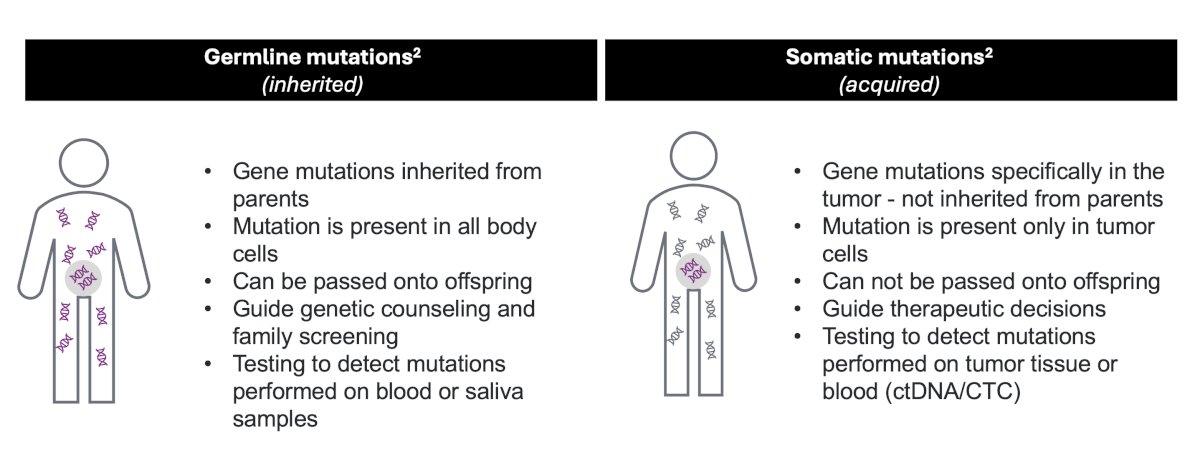
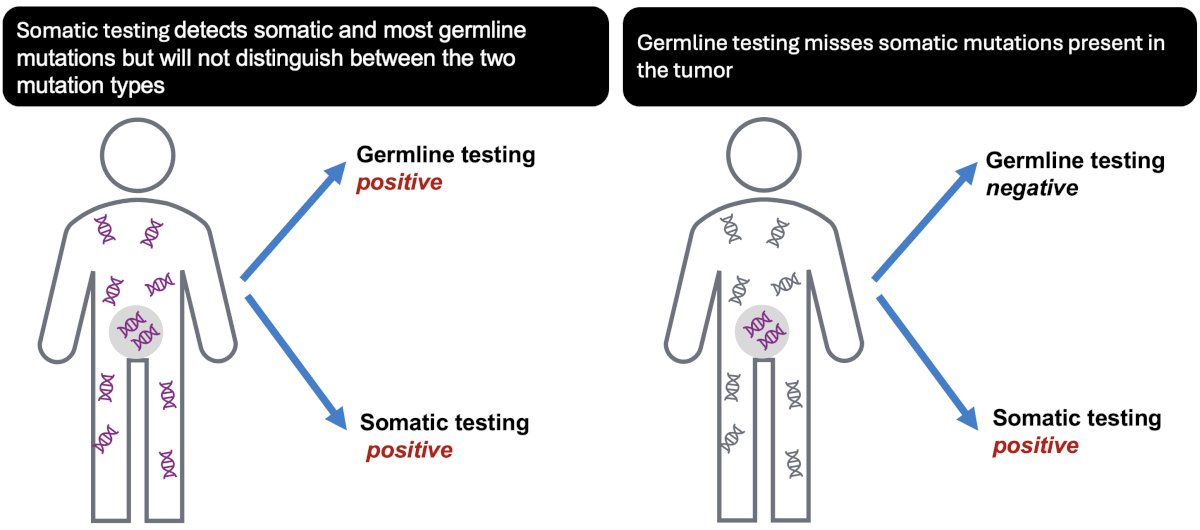
It is essential to understand the distinct and complementary roles of germline and somatic testing in prostate cancer. Approximately 50% of HRR mutations detected in prostate tumor tissue are germline, while the remainder are somatic. Somatic testing performed on tumor tissue can detect both somatic and most germline mutations, but it cannot distinguish between the two.4
Germline testing, on the other hand, identifies inherited mutations but will miss alterations confined to the tumor. For example, a patient with a germline mutation will test positive on both germline and somatic assays, though only germline testing confirms heritability and prompts cascade testing in family members. Conversely, a patient with a tumor-restricted somatic mutation will test positive only on somatic testing; if germline testing alone is performed, the mutation may go undetected, as illustrated below.
While there is some concern about whether archival primary tumor samples accurately reflect the genomic landscape of metastatic disease when selecting patients for PARP inhibitor therapy, the PROfound study demonstrated that HRRm can be reliably detected in both archival and newly collected tissue. In fact, the majority (79.7%) of tumor samples used in the trial were archival. Although the study did observe increased test failure rates with older specimens, successful results were still obtained in 47% of samples that had been stored for over 10 years.2 Moreover, additional studies have shown that HRR gene status remains consistent between matched primary and metastatic tumor samples, suggesting that HRRm are stable and persists throughout the evolution to mCRPC.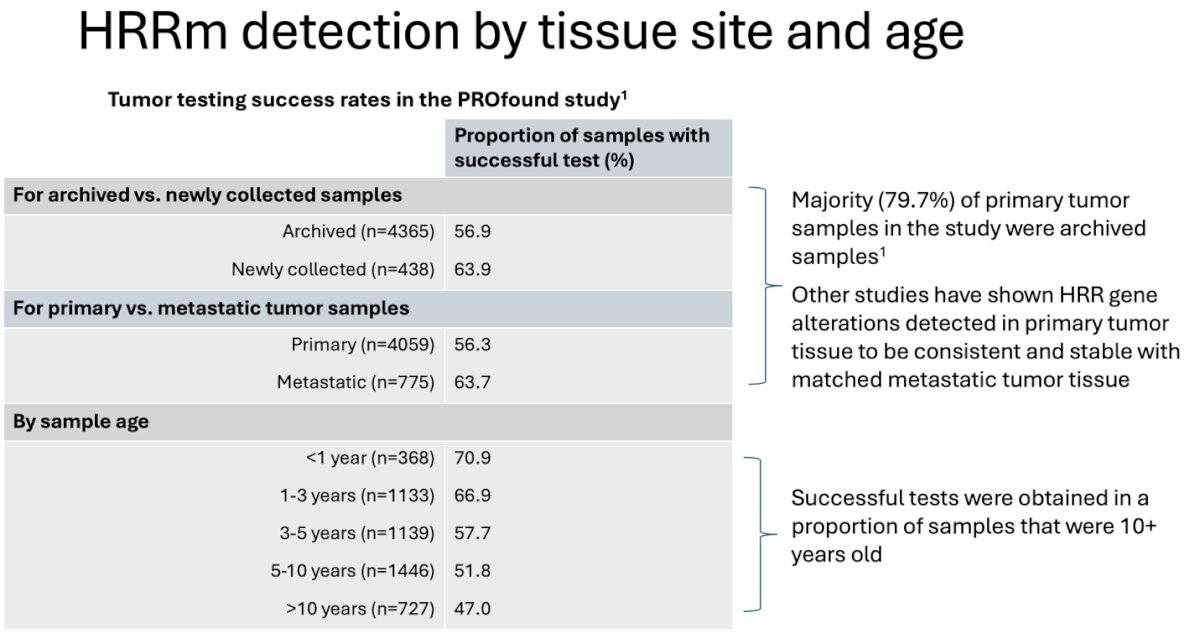
Dr. Jayram presented the case of a real patient found to have microsatellite instability-high (MSI-H) and high tumor mutational burden (TMB). He emphasized that both MSI-H and TMB-H are tumor-agnostic indications for pembrolizumab, with historically strong response rates across multiple cancer types. While the incidence of TMB-H (1–2%) and MSI-H (2–3%) in prostate cancer is relatively low, it may increase over time due to treatment-related selection pressures. Importantly, studies have demonstrated robust responses to pembrolizumab in MSI-H prostate cancer, with radiographic response rates of 40–60% and PSA responses in the range of 60–80%. In contrast, responses among patients with elevated TMB particularly those with TMB <10 mut/Mb appear to be more modest.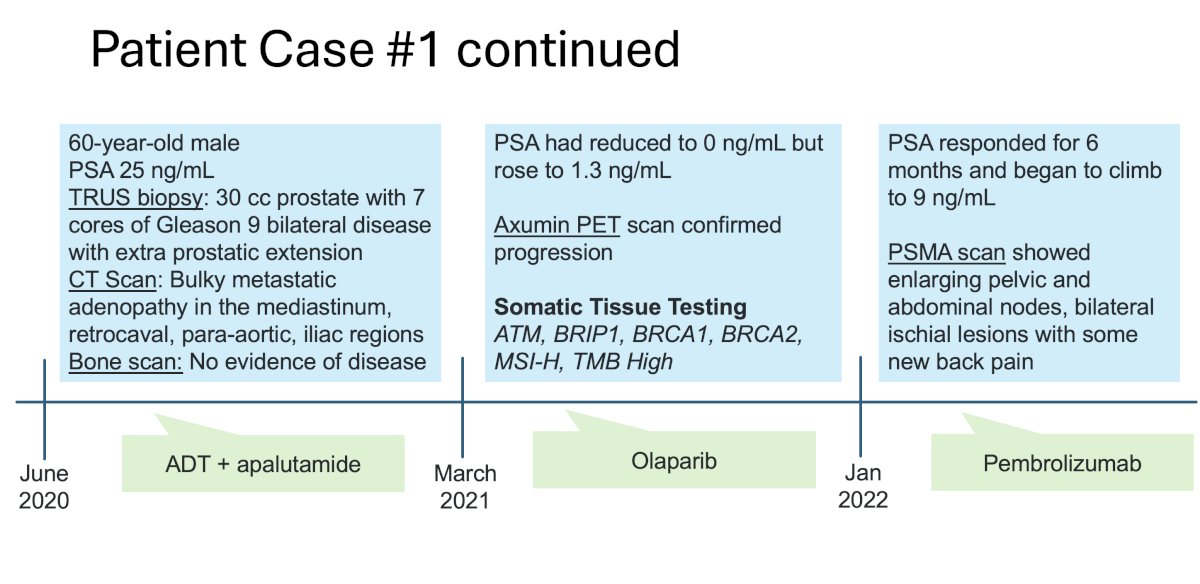
Dr. Jayram also presented the case of a patient initially diagnosed with high-risk Gleason 9, N1 prostate cancer who underwent multiple lines of therapy. Somatic testing performed on the radical prostatectomy specimen revealed a PALB2 mutation, and the patient subsequently received treatment with olaparib. Dr. Jayram used this case to underscore the importance of considering genetic risk factors in prostate cancer. In particular, men of Black or African descent, those with germline HRR mutations, and individuals with family histories suggestive of a hereditary cancer syndrome should be considered for earlier or more intensive PSA screening strategies.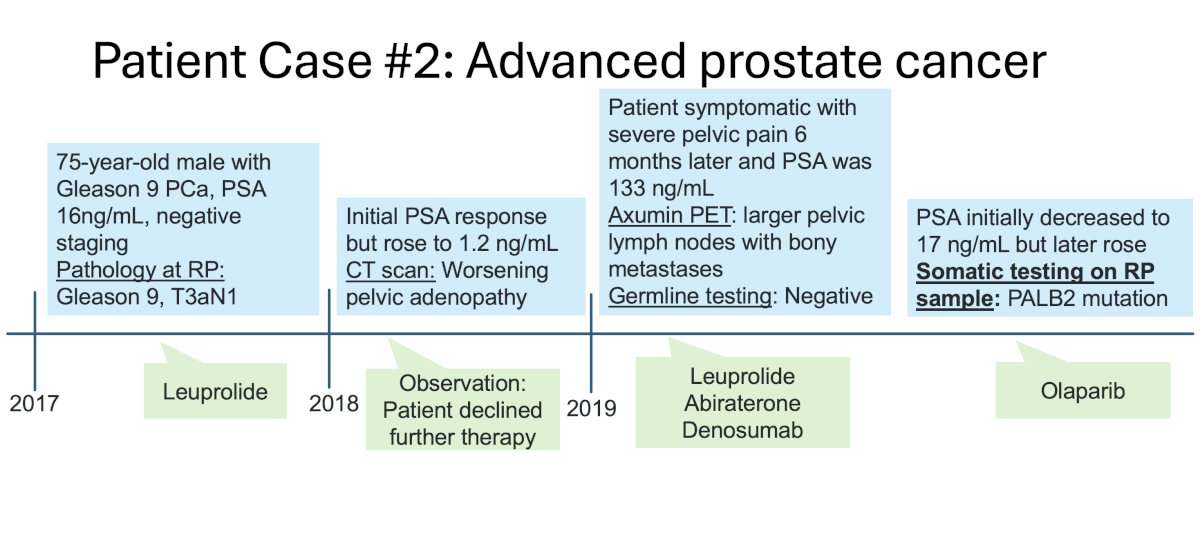
Dr. Jayram concluded with the following key takeaways:
- Germline and somatic testing are important biomarkers in prostate cancer, with actionable implications for both patients and their families.
- Germline testing should be used in men with:
- A family history of prostate cancer
- BRCA-related cancers
- High-risk prostate cancer
- Somatic testing should be used in advanced prostate cancer patients with:
- Recent archived tissue
- Easily obtainable fresh tissue
- In patients with no recent or difficult-to-obtain tissue, consider liquid biopsy.
- If a somatic test result is positive, reflex germline testing should be performed.
- Ongoing and future trials investigating PARP inhibitors and other targeted therapies in earlier stages of disease (and in other GU cancers) will further highlight the importance of formal testing pathways and increased clinical awareness.
Presented by: Tom Jayram, MD, Director, Advanced Therapeutics Center, Urology Associates, PC, Nashville, TN.
Written by: Julian Chavarriaga, MD – Urologic Oncologist at Cancer Treatment and Research Center (CTIC) via Society of Urologic Oncology (SUO) Fellow at The University of Toronto. @chavarriagaj on Twitter during the Interdisciplinary Genitourinary Cancer Forum 2025, between June 19 – 22, 2025 in St. Petersburg, Florida, United States the Interdisciplinary Genitourinary Cancer Forum 2025, between June 19 – 22, 2025 in St. Petersburg, Florida, United States
Related content: Somatic vs. Germline Testing in Prostate Cancer: Differences and Clinical Implications - Gautam Jayram
Reference:
- Pritchard CC, Mateo J, Walsh MF, De Sarkar N, Abida W, Beltran H, Garofalo A, Gulati R, Carreira S, Eeles R, Elemento O, Rubin MA. Inherited DNA-repair gene mutations in men with metastatic prostate cancer. N Engl J Med. 2016;375(5):443–453. doi:10.1056/NEJMoa1603144
- de Bono J, Mateo J, Fizazi K, Saad F, Shore N, Sandhu S, et al. Olaparib for metastatic castration-resistant prostate cancer. N Engl J Med. 2020;382(22):2091–102. doi:10.1056/NEJMoa1911440
- Schweizer MT, Gulati R, Beightol M, Konnick EQ, Cheng HH, Klemfuss N, De Sarkar N, Yu EY, Montgomery RB, Nelson PS, Pritchard CC. Clinical determinants for successful circulating tumor DNA analysis in prostate cancer. Prostate. 2019 May;79(7):701-708. doi: 10.1002/pros.23778. Epub 2019 Mar 13. PMID: 30865311; PMCID: PMC6589085.
- Mateo J, Carreira S, Sandhu S, Miranda S, Mossop H, Perez-Lopez R, Nava Rodrigues D, Robinson D, Omlin A, Tunariu N, Boysen G, Porta N, Flohr P, Gillman A, Figueiredo I, Paulding C, Seed G, Jain S, Ralph C, Protheroe A, Hussain S, Jones R, Elliott T, McGovern U, Bianchini D, Goodall J, Zafeiriou Z, Williamson CT, Ferraldeschi R, Riisnaes R, Ebbs B, Fowler G, Roda D, Yuan W, Wu YM, Cao X, Brough R, Pemberton H, A'Hern R, Swain A, Kunju LP, Eeles R, Attard G, Lord CJ, Ashworth A, Rubin MA, Knudsen KE, Feng FY, Chinnaiyan AM, Hall E, de Bono JS. DNA-Repair Defects and Olaparib in Metastatic Prostate Cancer. N Engl J Med. 2015 Oct 29;373(18):1697-708. doi: 10.1056/NEJMoa1506859. PMID: 26510020; PMCID: PMC5228595.