

(UroToday.com) The 2025 European Society of Medical Oncology (ESMO) Annual Congress held in Berlin, Germany was host to the session Mini oral session: GU tumours, prostate, penile and testis. Dr. Gunhild Von Amsberg discussed the abstracts presented by Drs. Sridhar and Papachristofilou, LBA37 and 1038MO, respectively.
Dr. von Amsberg opened her discussion by emphasizing that conducting clinical trials in rare genitourinary malignancies represents an enormous challenge, both scientifically and logistically. She highlighted the extraordinary dedication required from investigators and participating centers to bring studies like these to completion. As an example, the ALPACA trial took 6.5 years to recruit just 25 patients across three Canadian centers, underscoring the difficulty of patient accrual in ultra-rare cancers such as metastatic penile cancer, and the SAKK 01/10 took over 6 years to recruit 120 patients across 20 centers in Switzerland and Germany.
LBA37 - A phase 2 study of Avelumab in Locally Advanced or Metastatic Penile Cancer Patients Unfit for Platinum-based chemotherapy or Progressed On or After Platinum-based Chemotherapy (ALPACA). Current ESMO–EURACAN and EAU–ASCO guidelines recommend platinum-based chemotherapy as the standard first-line treatment for patients with metastatic penile cancer.1 However, there are no established second-line systemic therapy options once patients progress or are deemed unfit for platinum. Both guidelines emphasize that, whenever feasible, clinical trial enrollment should be strongly encouraged, as early evidence of promising clinical activity has been observed with targeted and immunotherapy-based approaches in advanced disease.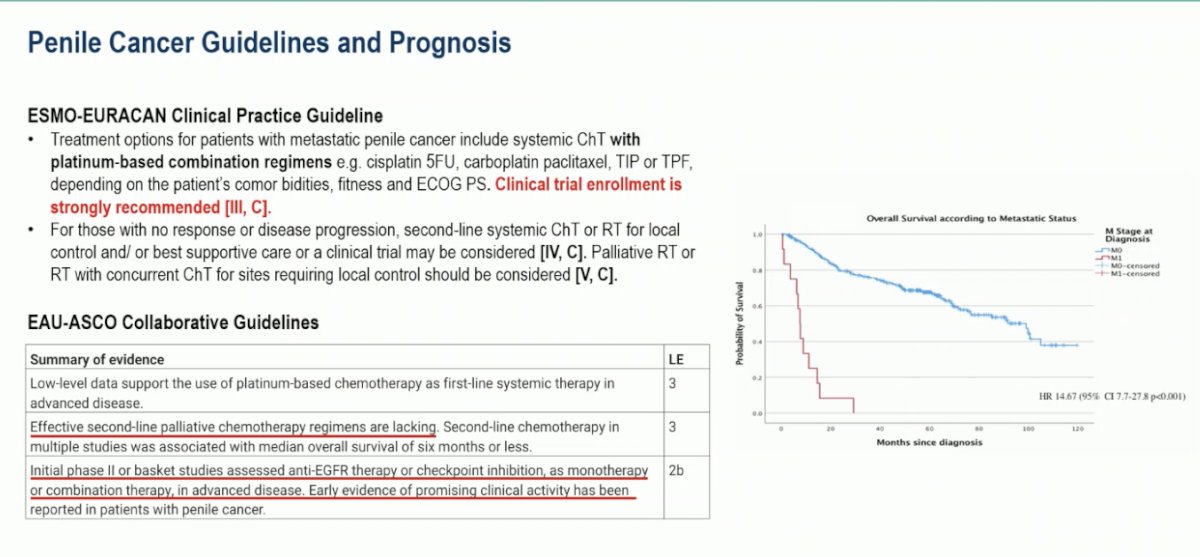
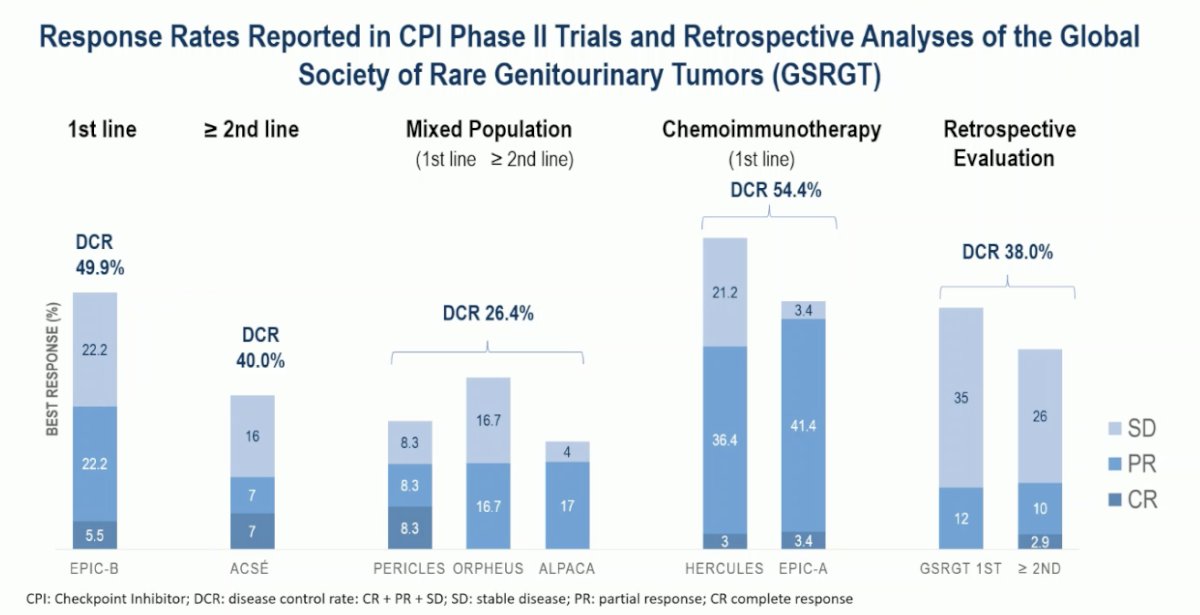
Dr. von Amsberg emphasized that, as shown in the figure, the overall response rates to checkpoint inhibitors in penile cancer remain modest. In first-line settings, the disease control rate (DCR) was approximately 28–50%, while in second-line or later settings, responses dropped to around 17–40%, as illustrated in the figures below. These findings, derived from trials such as EPIC-B, ACSÉ, PERICLES, ORPHEUS, and ALPACA, highlight the limited efficacy of immune checkpoint inhibition in this population and the urgent need for improved patient selection and combination strategies.2-4
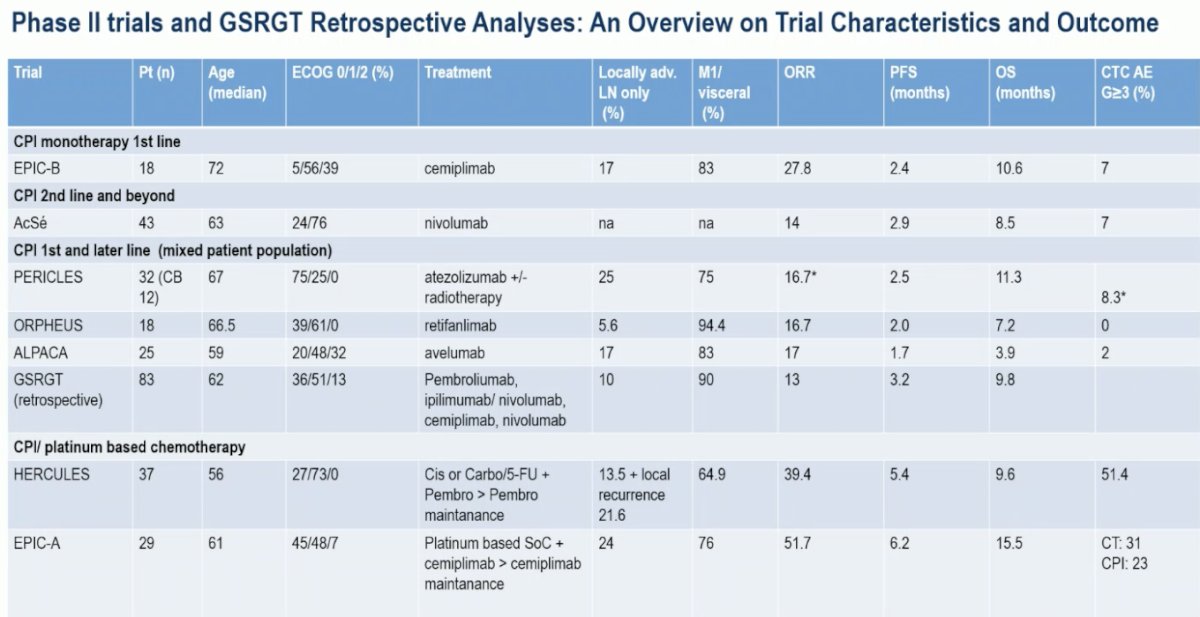
Dr. von Amsberg noted that although several phase II and retrospective studies have evaluated immune checkpoint inhibitors in advanced penile cancer, the patient numbers remain small and the populations highly heterogeneous, which complicates cross-trial interpretation. As summarized in the table, median PFS ranged from 1.7 to 6.2 months and OS from 3.9 to 15.5 months across studies, reflecting variable disease burden, ECOG performance status, and prior treatment exposure. These differences underscore the challenges in identifying clear efficacy signals in such a rare disease and highlight the need for harmonized multicenter efforts to define optimal treatment strategies.
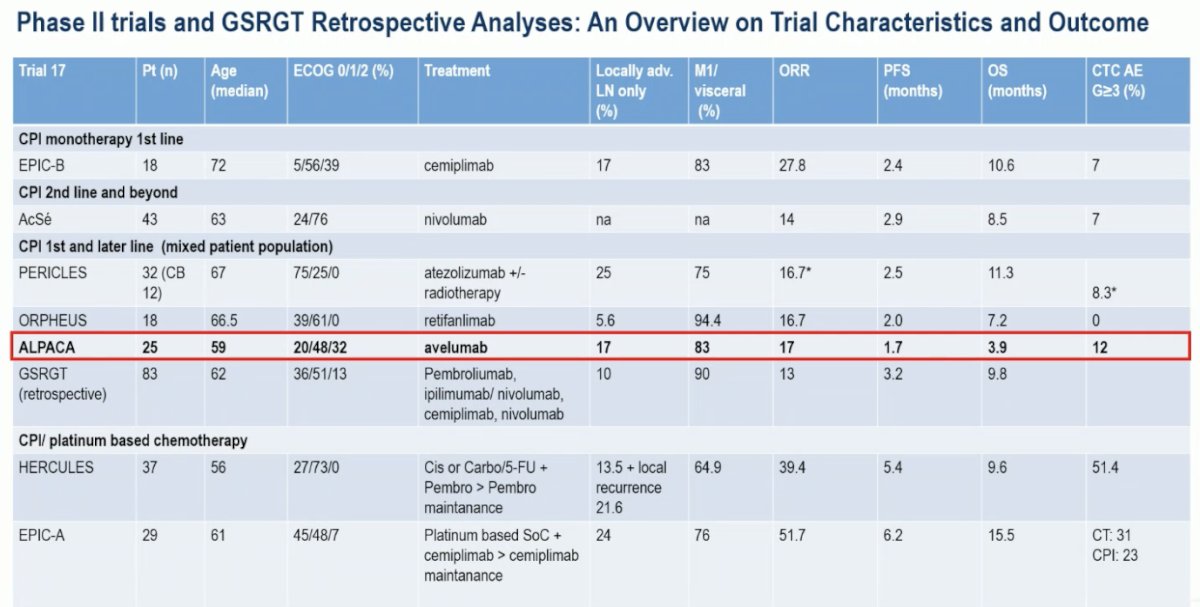
Notably, the ALPACA trial demonstrated a shorter median PFS (1.7 months) and OS (3.9 months) compared to other phase II and retrospective studies. This outcome likely reflects the trial’s challenging population nearly one-third of patients had an ECOG performance status of 2, and 83% presented with visceral metastases. Nevertheless, those who achieved a response experienced a median duration of 16 months, emphasizing that while benefit is limited to a small subset, appropriate patient selection remains critical for optimizing outcomes in this setting.2-4
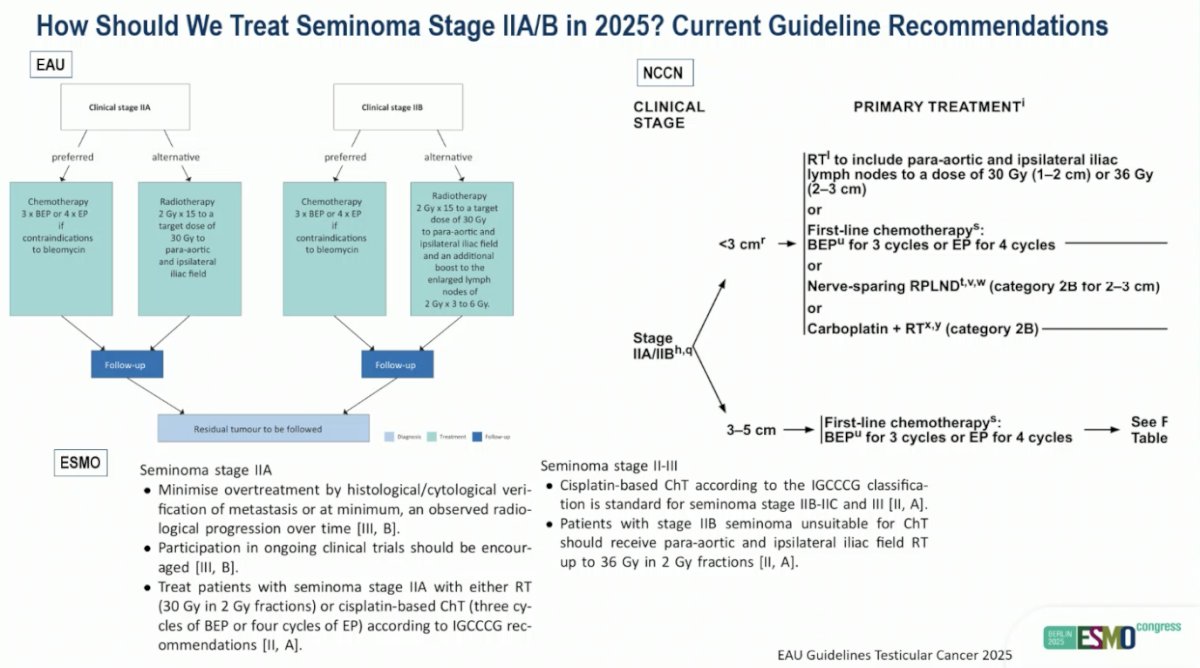
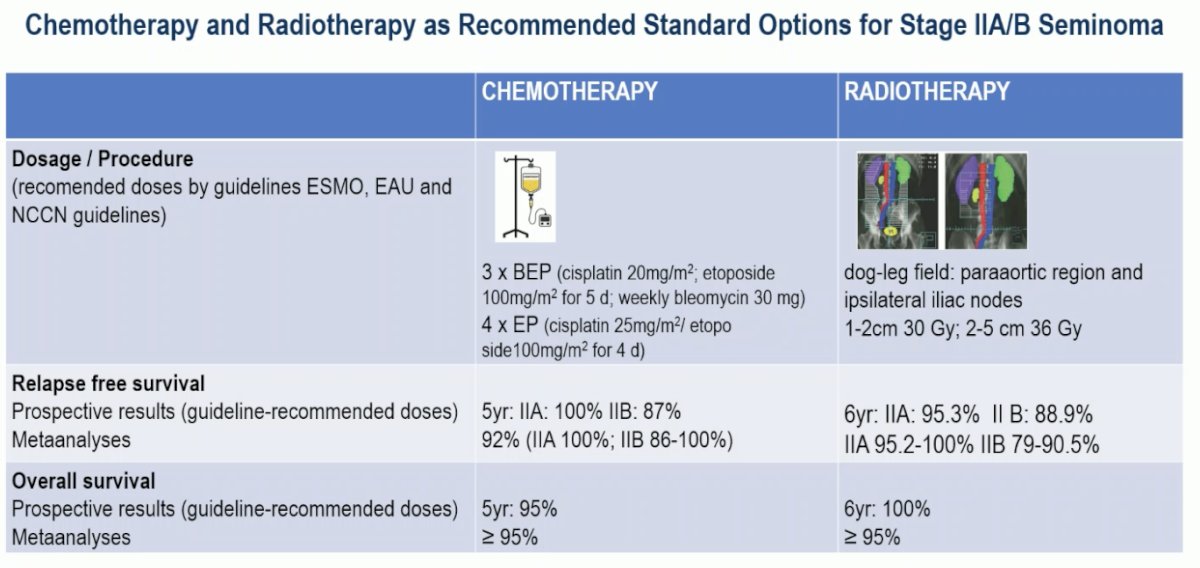
Both chemotherapy (3 × BEP or 4 × EP) and radiotherapy to the para-aortic and ipsilateral iliac nodes achieve excellent outcomes in stage IIA/B seminoma, with 5-year overall survival rates exceeding 95%. Relapse-free survival also remains high ranging from 87% to 100% depending on disease stage and treatment modality. However, as Dr. von Amsberg highlighted, these exceptional survival outcomes raise the concern of potential overtreatment, reinforcing the importance of ongoing efforts to refine and de-escalate therapy in appropriately selected patients.
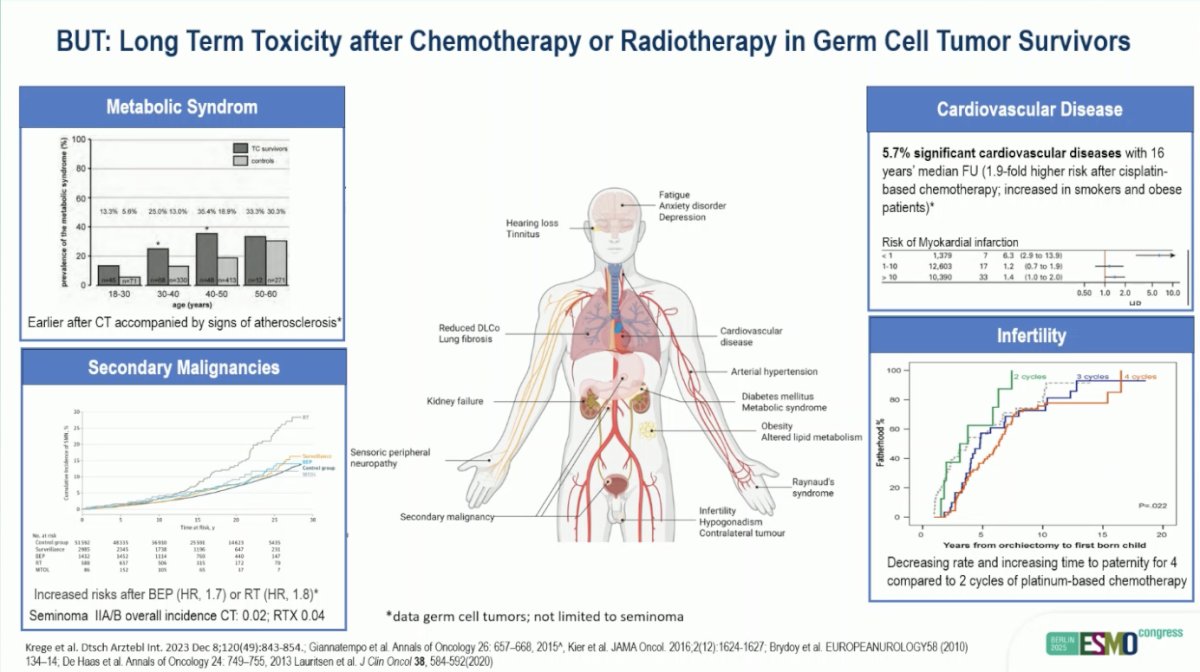
Dr. von Amsberg highlighted that while cure rates in stage II seminoma are excellent, long-term toxicities associated with chemotherapy and radiotherapy remain a major concern. These include an increased incidence of secondary malignancies (HR 1.7–1.8), metabolic syndrome, and cardiovascular disease, with a 5.7% incidence and nearly a twofold increased risk after cisplatin-based chemotherapy. Additional late effects include infertility, pulmonary toxicity, nephrotoxicity, hearing loss, and peripheral neuropathy. These findings underscore the need to balance curative efficacy with treatment de-escalation strategies to minimize late morbidity in this young patient population.
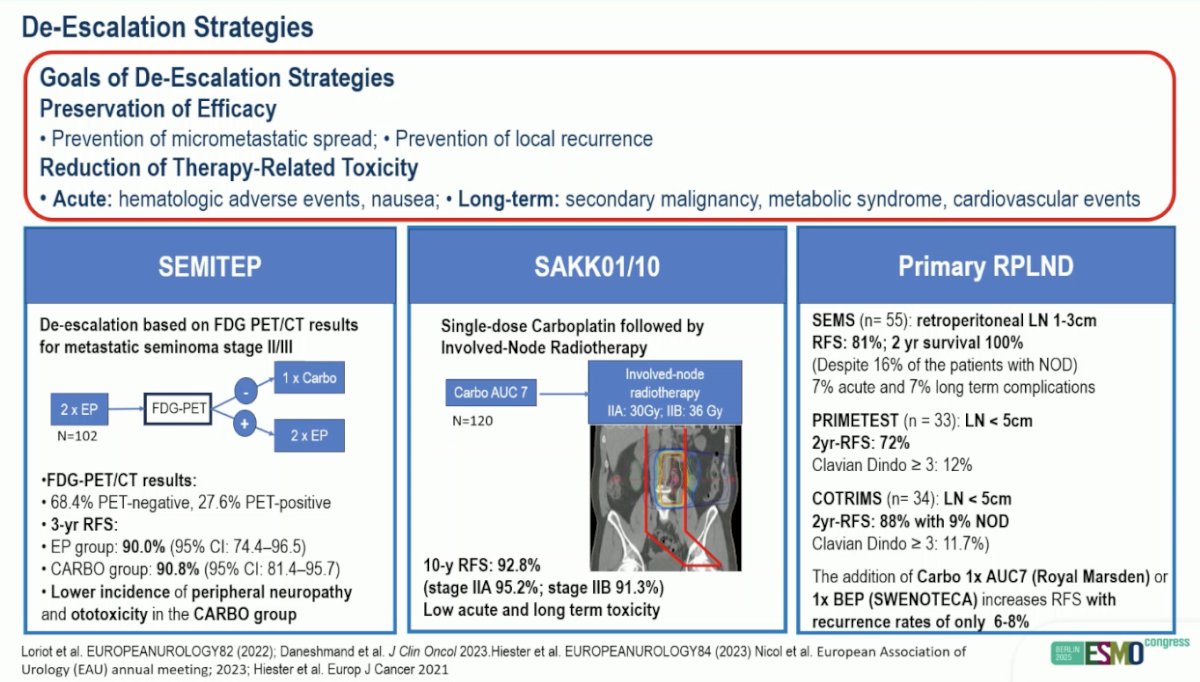
Dr. von Amsberg emphasized that the main goal of current de-escalation strategies in stage II seminoma is to preserve oncologic efficacy while reducing therapy-related toxicity. She discussed key studies exploring these approaches, including SEMITEP, SAKK 01/10, and ongoing trials evaluating primary RPLND. (7-9) Each of these trials seeks to identify patient subsets who can safely receive less intensive treatment through reduced chemotherapy cycles, lower radiation doses, or surgical management without compromising long-term disease control or survival. Key findings of these trials are summarized below.
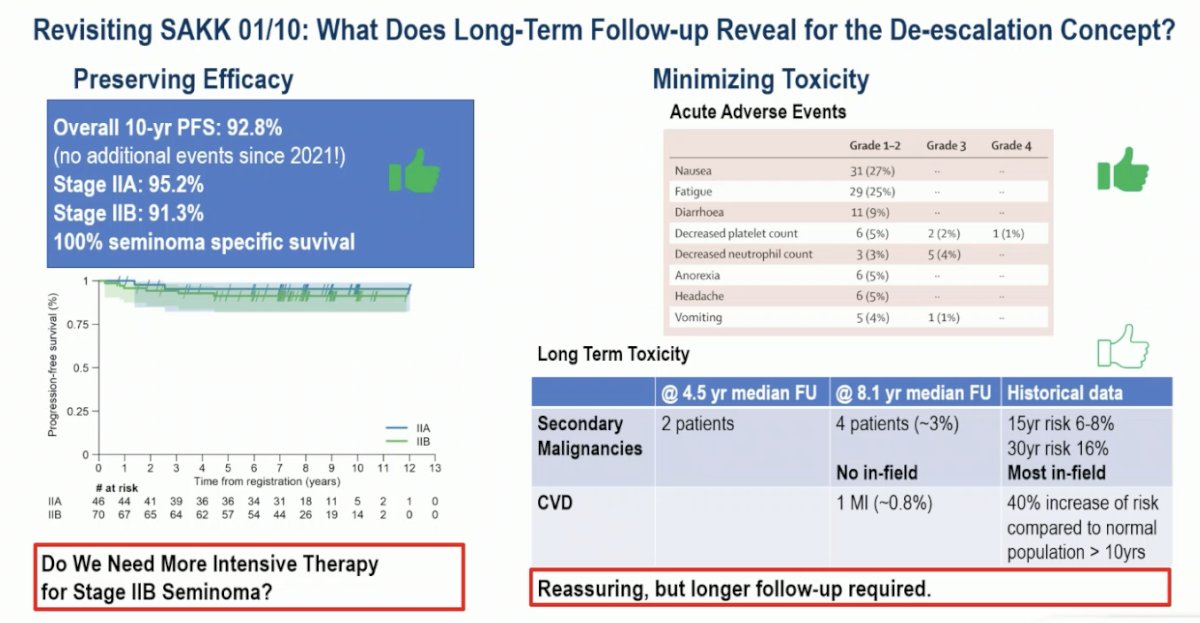
In the long-term follow-up of the SAKK 01/10 trial, de-escalated treatment for stage IIA/B seminoma achieved remarkable efficacy, with a 10-year PFS of 92.8% and 100% seminoma-specific survival, without additional relapses since 2021. Toxicity outcomes were favorable, acute adverse events were mostly mild, and late toxicities such as secondary malignancies and cardiovascular disease remained low, though extended surveillance is still warranted. These results raise an important question: do we truly need more intensive therapy for stage IIB seminoma?
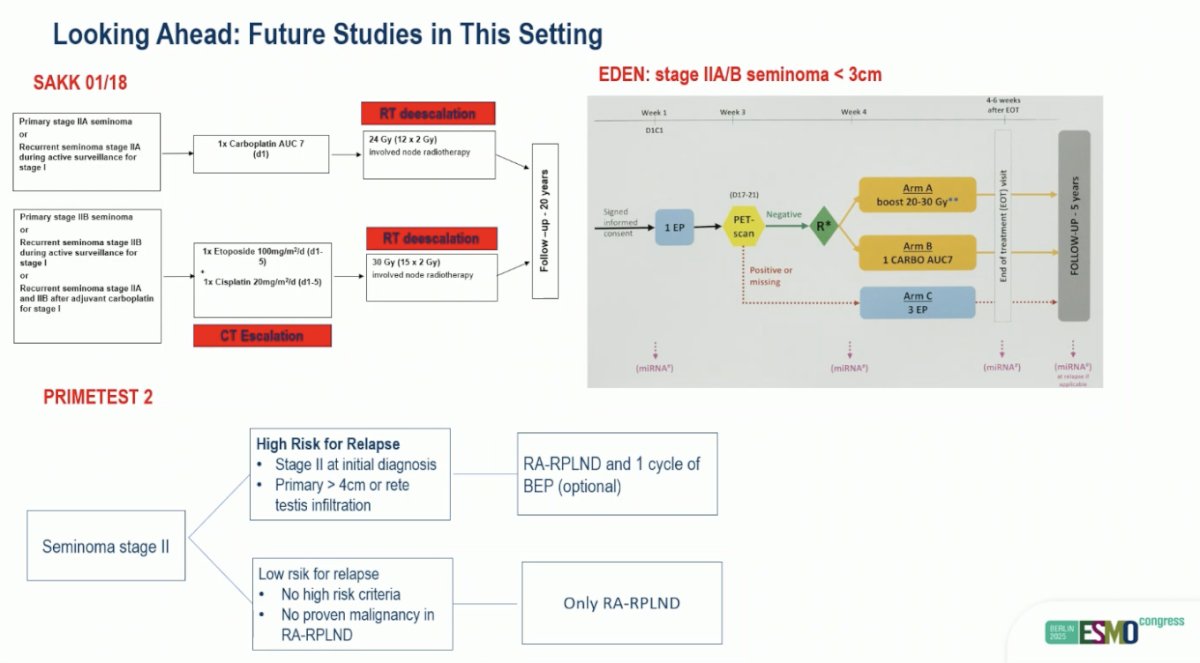
Dr. von Amsberg concluded by highlighting that the SAKK 01/18 trial has completed accrual and is exploring an additional de-escalation approach combining escalation-dose chemotherapy and de-escalation radiotherapy, with results expected next year. She also noted two other important ongoing studies: PRIMETEST 2, which stratifies patients by relapse risk to evaluate the role of primary robotic-assisted RPLND (with or without adjuvant BEP), and EDEN, which investigates PET-guided de-escalation in stage IIA/B seminoma using tailored carboplatin or radiotherapy regimens. Together, these trials aim to refine treatment intensity and minimize long-term toxicity while maintaining cure rates.
Presented by: Gunhild von Amsberg, MD, Urologic Oncologist at UCC-Hamburg, Associated Faculty der Martini-Klinik, Hamburg, Germany
Written by: Julian Chavarriaga, MD – Urologic Oncologist at Cancer Treatment and Research Center (CTIC) via Society of Urologic Oncology (SUO) Fellow at The University of Toronto. @chavarriagaj on Twitter during the 2025 European Society of Medical Oncology (ESMO) Annual Congress held in Berlin, Germany, between October 17th and 21st.
References:
- Muneer A, Bandini M, Compérat E, De Meerleer G, Fizazi K, Gietema J, Gillessen S, Kirkham A, Sangar V, Alifrangis C, Powles T; ESMO Guidelines Committee. Electronic address: . Penile cancer: ESMO-EURACAN Clinical Practice Guideline for diagnosis, treatment and follow-up. ESMO Open. 2024 Jul;9(7):103481. doi: 10.1016/j.esmoop.2024.103481. Epub 2024 Jul 11. PMID: 39089768; PMCID: PMC11360427.
- El Zarif T, Nassar AH, Pond GR, Zhuang TZ, Master V, Nazha B, Niglio S, Simon N, Hahn AW, Pettaway CA, et al. Safety and efficacy of immune checkpoint inhibitors in advanced penile cancer: Report from the Global Society of Rare Genitourinary Tumors. J Natl Cancer Inst. 2023;115(11):1605–15. doi:10.1093/jnci/djad155
- Maluf FC, de Oliveira MA, Brown J, et al. Pembrolizumab plus platinum-based chemotherapy for advanced penile squamous cell carcinoma (HERCULES): a phase 2 single-arm nonrandomized clinical trial. JAMA Oncol. Published online September 18, 2025. doi:10.1001/jamaoncol.2025.3266
- Husam Alqaisi et al. A multicenter phase II study of avelumab in patients with locally advanced or metastatic penile cancer (PC) who are unfit for, or have progressed on or after platinum-based chemotherapy: (ALPACA).. J Clin Oncol 38, TPS7-TPS7(2020).
- Gilligan T, Lin DW, Adra N, Bagrodia A, Feldman DR, Yamoah K, Aggarwal R, Chandrasekar T, Costa D, Drakaki A, Eggener S, Emamekhoo H, Geynisman DM, Graham L, Humphrey P, Leuva H, Levine EG, Luckenbaugh A, Maughan BL, McGregor B, Monk P, Picus J, Pierorazio P, Rais-Bahrami S, Reichert Z, Rwigema JC, Saylor P, Shah A, Shah S, Singla N, Sircar K, VanderWeele D, Zhumkhawala A, Montgomery S, Sliker B. NCCN Guidelines® Insights: Testicular Cancer, Version 2.2025. J Natl Compr Canc Netw. 2025 Apr;23(4):e250018. doi: 10.6004/jnccn.2025.0018. PMID: 40203876.
- Oldenburg J, Berney DM, Bokemeyer C, Climent MA, Daugaard G, Gietema JA, De Giorgi U, Haugnes HS, Huddart RA, Leão R, Sohaib A, Gillessen S, Powles T; ESMO Guidelines Committee. Electronic address: ; EURACAN. Testicular seminoma and non-seminoma: ESMO-EURACAN Clinical Practice Guideline for diagnosis, treatment and follow-up. Ann Oncol. 2022 Apr;33(4):362-375. doi: 10.1016/j.annonc.2022.01.002. Epub 2022 Jan 19. PMID: 35065204.
- Loriot Y, Texier M, Culine S, Fléchon A, Thiery-Vuillemin A, Gravis G, Geoffrois L, Chevreau C, Gross-Goupil M, Barthelemy P, Bompas E, Mahammedi H, Laguerre B, Lacourtoisie SA, Helissey C, Ladoire S, Abraham C, Massard C, Grimaldi S, Fizazi K. The GETUG SEMITEP Trial: De-escalating Chemotherapy in Good-prognosis Seminoma Based on Fluorodeoxyglucose Positron Emission Tomography/Computed Tomography. Eur Urol. 2022 Aug;82(2):172-179. doi: 10.1016/j.eururo.2022.04.031. Epub 2022 May 20. PMID: 35599187.
- Daneshmand S, Cary C, Masterson T, Einhorn L, Adra N, Boorjian SA, Kollmannsberger C, Schuckman A, So A, Black P, Bagrodia A, Skinner E, Alemozaffar M, Brand T, Eggener S, Pierorazio P, Stratton K, Nappi L, Nichols C, Luo C, Li M, Hu B. Surgery in Early Metastatic Seminoma: A Phase II Trial of Retroperitoneal Lymph Node Dissection for Testicular Seminoma With Limited Retroperitoneal Lymphadenopathy. J Clin Oncol. 2023 Jun 1;41(16):3009-3018. doi: 10.1200/JCO.22.00624. Epub 2023 Mar 13. PMID: 36913642.
- Papachristofilou A, Bedke J, Hayoz S, Schratzenstaller U, Pless M, Hentrich M, Krege S, Lorch A, Aebersold DM, Putora PM, Berthold DR, Zihler D, Zengerling F, Dieing A, Mueller AC, Schaer C, Biaggi C, Gillessen S, Cathomas R. Single-dose carboplatin followed by involved-node radiotherapy for stage IIA and stage IIB seminoma (SAKK 01/10): a single-arm, multicentre, phase 2 trial. Lancet Oncol. 2022 Nov;23(11):1441-1450. doi: 10.1016/S1470-2045(22)00564-2. Epub 2022 Oct 10. PMID: 36228644.