

(UroToday.com) The 2025 European Society of Medical Oncology (ESMO) Annual Congress held in Berlin, Germany, between October 17th and 21st, was host to the session Radioligand therapeutics. Dr. Ken Herrmann delved into how to scale up capacity to deliver radioligand therapeutics.
Why do we need scaling up?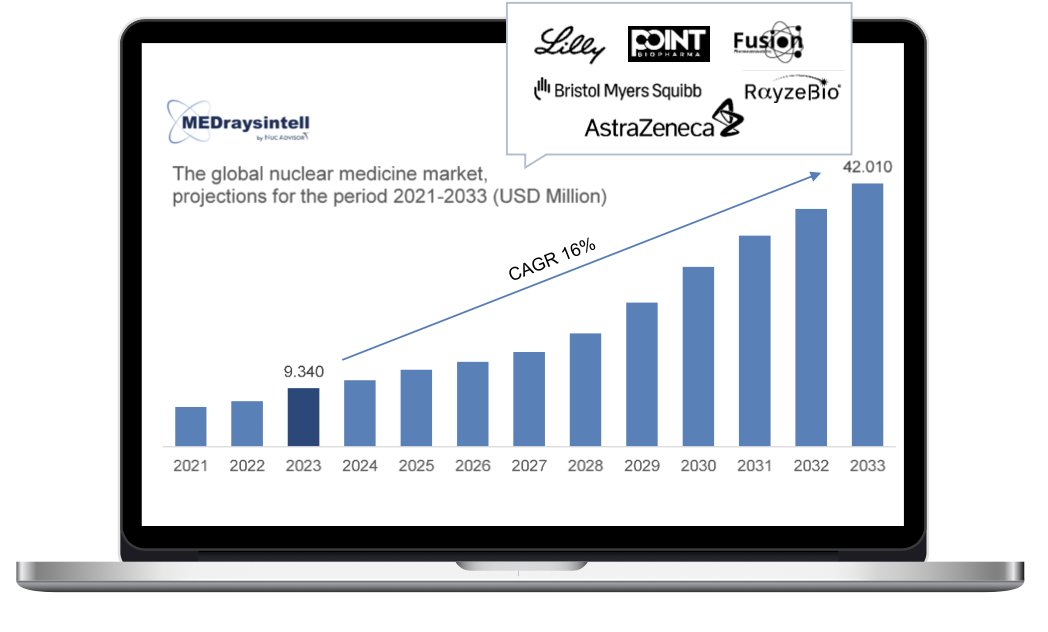
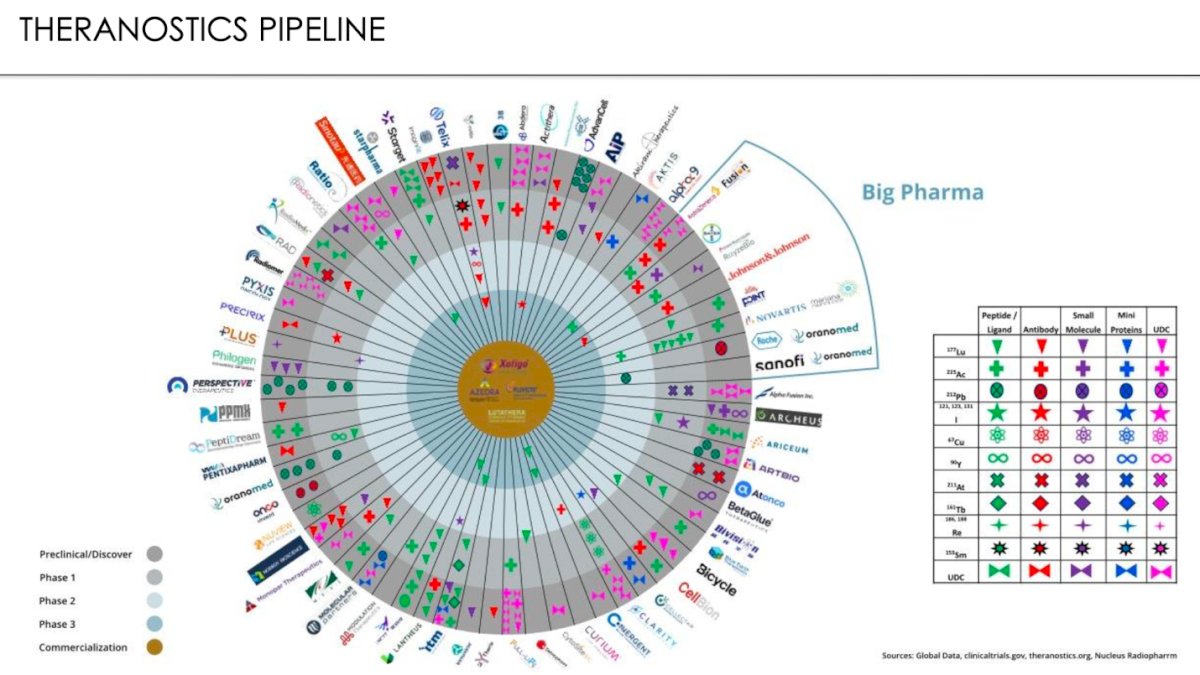
The theranostics pipeline has grown exponentially, reflecting the rapid expansion and diversification of agents under development. Multiple pharmaceutical companies, both large and emerging, are now engaged in preclinical and clinical programs targeting a broad range of isotopes and molecular platforms, including peptides, antibodies, small molecules, and mini-proteins.
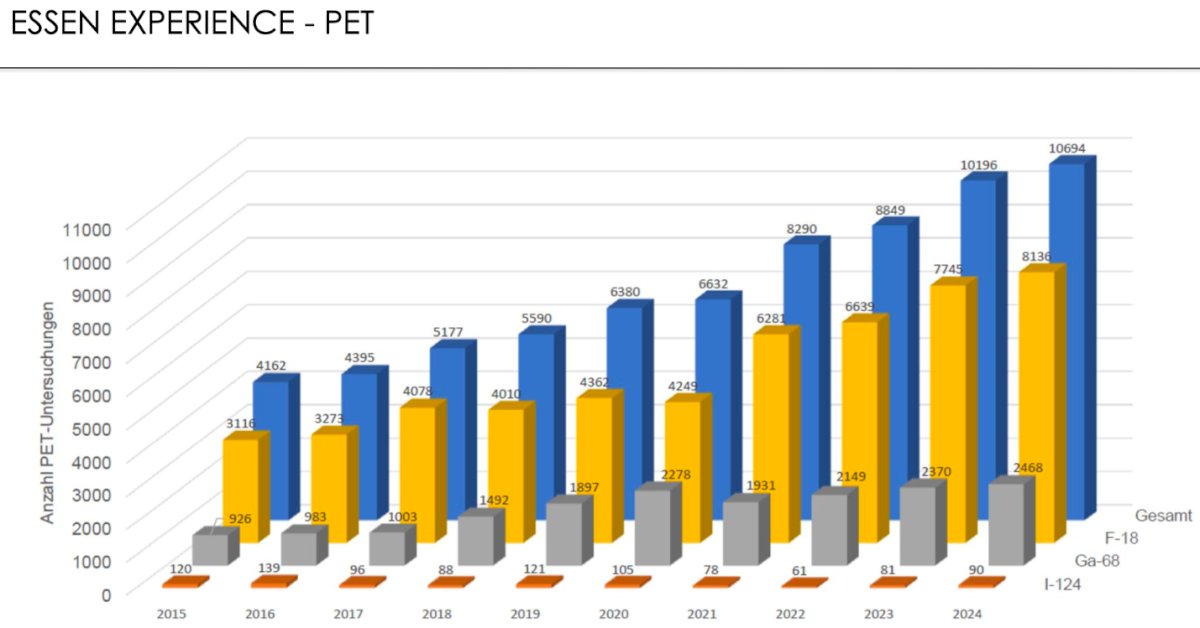
Dr. Herrmann highlighted the Essen experience in PET imaging, which demonstrates a steady and substantial increase in the number of PET studies performed over the past decade. The data show a continuous rise across all tracers, particularly for F-18 and Ga-68, reflecting the growing clinical adoption of molecular imaging. From 2015 to 2024, the total number of PET scans more than doubled. Similarly, the use of radioligand therapies at Essen has grown remarkably over the past decade. The number of administered treatments, particularly PSMA-targeted Lu-177 therapies, has increased sharply, reflecting the expanding clinical demand and established safety of these approaches.
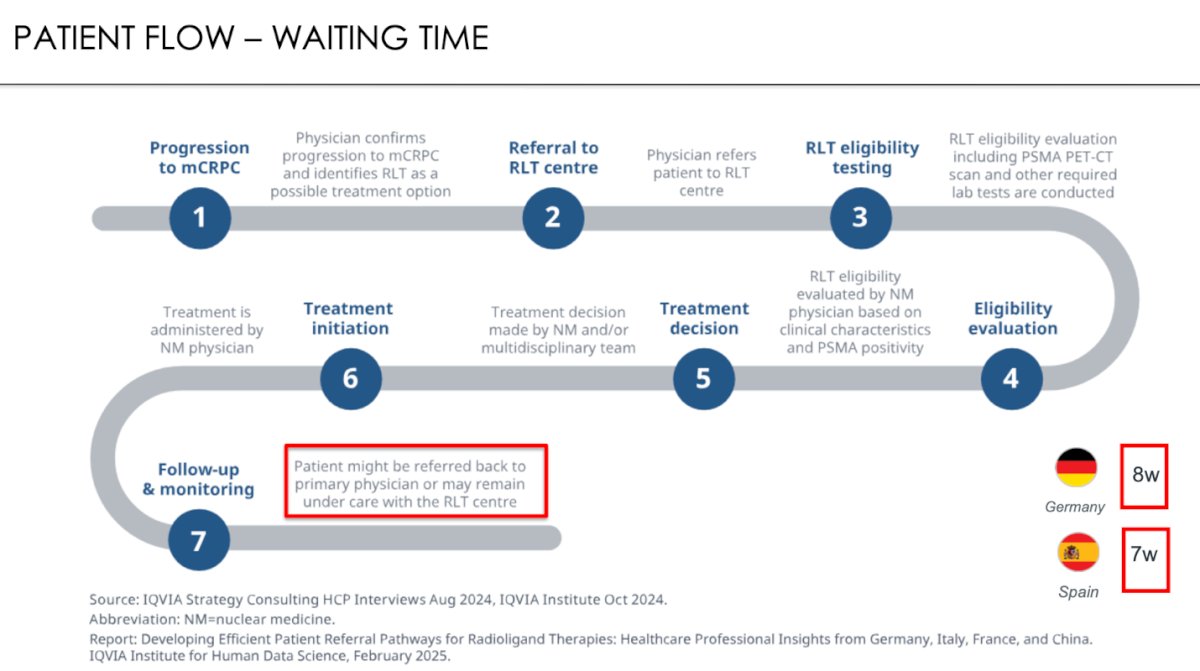
Identifying needs, Dr. Herrmann highlighted that the current patient flow for radioligand therapy remains complex and time-consuming, with significant waiting periods between disease progression and treatment initiation. In Germany, the average waiting time is approximately eight weeks, while in Spain it is around seven weeks. These delays, often driven by referral logistics, eligibility assessments, and resource limitations, emphasize the need for more efficient referral networks and expanded treatment capacity to ensure timely access for patients with mCRPC eligible for radioligand therapy.
Second, Dr. Herrmann discussed the limited imaging capacity for PSMA testing across Europe, noting that only 12–33% of eligible mCRPC patients currently undergo PSMA PET/CT. While Germany, Italy, and Spain each have approximately 45–55 diagnostic centers equipped with PSMA capability, Italy leads in testing rates (33%), followed by Germany (21%), Spain (14%), and France (12%). These figures underscore significant disparities in access and infrastructure, highlighting the urgent need to expand PSMA imaging availability to ensure equitable patient selection for radioligand therapy

Lastly, Dr. Herrmann pointed out major disparities in therapy capacity across Europe. Germany and Spain currently lead, with more than 55–80 identified treatment slots per 100,000 people, reflecting a stronger infrastructure for delivering radioligand therapy. In contrast, France (25–30 slots) and particularly Italy (only 5–10 slots) lag behind, indicating limited capacity to meet growing clinical demand.

Potential solutions
One potential solution Dr. Herrmann proposed is the establishment of key performance indicators (KPIs) to streamline referral and treatment timelines for patients eligible for PSMA-targeted radioligand therapy. At Essen, for example, the time from referral to PSMA PET/CT is less than two weeks, and to therapy initiation is less than four weeks. This efficient workflow ensures timely access for patients with mCRPC, such as the presented case with nodal, osseous, and hepatic metastases (SUVmean 15.3) and demonstrates a marked therapeutic response, with PSA decreasing from 296 ng/mL to 8 ng/mL after six cycles of 177Lu-PSMA therapy.

Moreover, Dr. Herrmann underscored the critical need for investment in both imaging and therapy capacity to meet the increasing demand for radioligand treatments. He showcased the adoption of next-generation total-body PET/CT scanners—such as the uEXPLORER and Biograph Vision Quadra being implemented in leading centers like Essen and Sydney, which enable faster acquisition, lower radiation doses, and higher sensitivity.
He also discussed optimizing existing therapy infrastructure through hospital framework adaptations. For instance, France has integrated 177Lu-PSMA therapy within existing inpatient systems, while countries like Italy and Japan are developing outpatient treatment models to improve access and efficiency. This shift, supported by recent feasibility data, highlights how regulatory flexibility and infrastructure investment can significantly expand treatment capacity and reduce bottlenecks in patient care.
Furthermore, Dr. Herrmann emphasized the importance of investing in new therapy capacity to meet the rapidly expanding demand for theranostic treatments worldwide. He highlighted recent initiatives such as the partnership between the ICPO Foundation and Munich Precision Oncology to establish dedicated theranostics centers globally, designed to ensure standardized access, training, and infrastructure. Similarly, major institutions like UCLA Health have launched comprehensive theranostics programs to integrate research, radiopharmacy, and patient care under one roof. These efforts exemplify how expanding global infrastructure through both public and private collaborations will be essential to scale radioligand therapy delivery and support the next wave of precision oncology
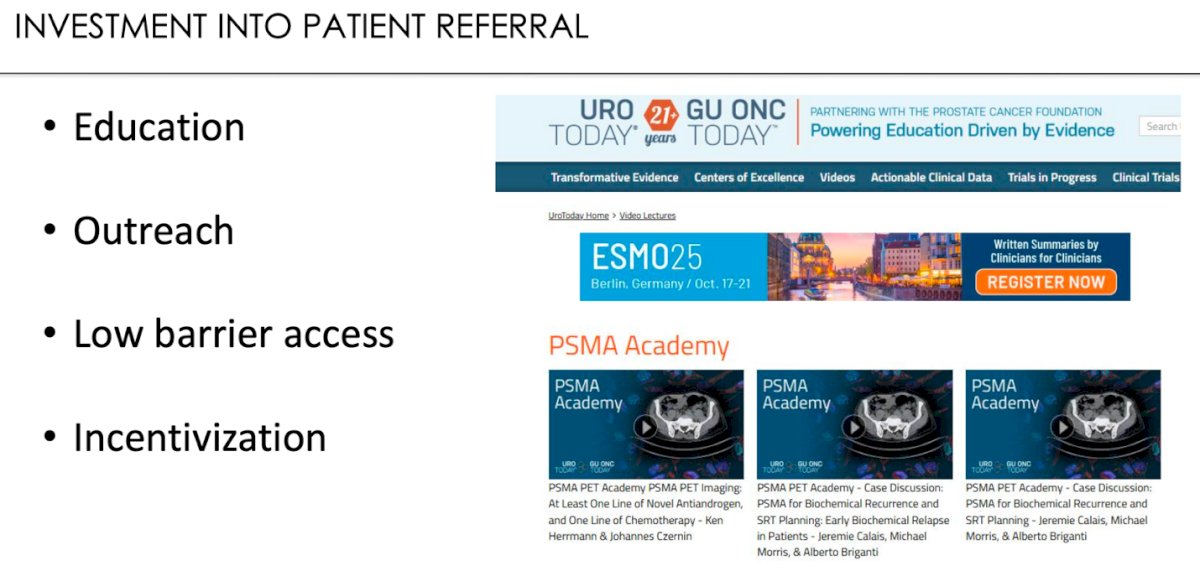
Lastly, Dr. Herrmann concluded by stressing the importance of investing in patient referral systems to ensure timely access to radioligand therapy. He outlined key strategies such as education and outreach to both clinicians and patients, reducing barriers to referral through streamlined processes, and incentivizing collaboration between urologists, oncologists, and nuclear medicine specialists.
He highlighted examples like the PSMA Academy, developed in partnership with UroToday, which provides case-based education to clinicians worldwide, and the “FastTrackPSMARLT” program at Essen University Hospital, designed to accelerate patient evaluation and treatment initiation. These initiatives demonstrate how structured education and efficient referral pathways can significantly improve patient access and optimize the integration of theranostics into routine cancer care.
Dr. Herrmann concluded his presentation with the following key takeaways:
- The field of theranostics utilizing radionuclides continues to expand rapidly
- Current capacity limitations remain highly dependent on geographic location and infrastructure availability
- Key addressable challenges include imaging and therapy capacity, patient referral pathways, and regulatory barriers
- Core strategies to overcome these challenges include expanding education and outreach, ensuring low-barrier patient access, and promoting incentivization programs
Presented by: Ken Herrmann, MD, MBA, Professor and Chair of the Department of Nuclear Medicine, Universitatsklinikum Essen, Essen, Germany
Written by: Julian Chavarriaga, MD – Urologic Oncologist at Cancer Treatment and Research Center (CTIC) via Society of Urologic Oncology (SUO) Fellow at The University of Toronto. @chavarriagaj on Twitter during the 2025 European Society of Medical Oncology (ESMO) Annual Congress held in Berlin, Germany, between October 17th and 21st.