

(UroToday.com) The 2025 European Society for Medical Oncology (ESMO) Annual Congress held in Berlin, Germany, was host to a urothelial carcinoma poster session. Dr. Bin Huan presented the interim results from the phase II PUNCH02 trial of tislelizumab combined + disitamab vedotin as a bladder preservation therapy for muscle-invasive bladder cancer (MIBC) patients with a urine tumor DNA (utDNA)-defined clinical complete response.
Disitamab vedotin (RC48) is a novel antibody drug conjugate that targets the Her2 protein. This phase II study was conducted to determine the efficacy and safety of the combination of tislelizumab + RC48 as a bladder preservation approach for utDNA-defined clinical complete response (cCR) MIBC patients. In his presentation, Dr. Huan presented the updated interim results.
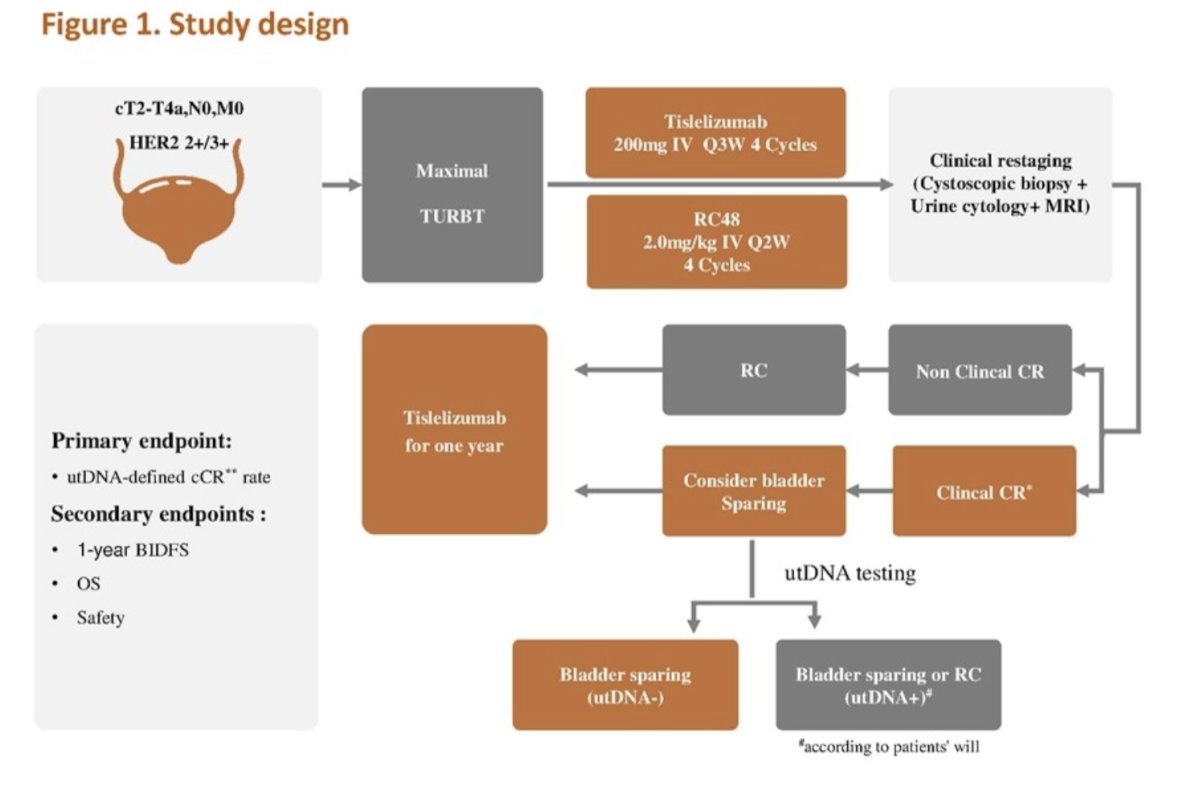
PUNCH02 enrolled cT2-4aN0M0 MIBC patients with Her2-positive tumors (IHC 2+ or 3+). Patients first underwent a maximal TURBT, then received tislelizumab (200 mg, Q3W, 4 cycles) and RC48 (2 mg/kg, Q2W, 4 cycles).
Patients who achieved a cCR were considered for bladder preservation, whereas non-cCR patients underwent a cystectomy. What defined a cCR?
- Negative urine cytology
- Negative MRI
- Bladder biopsies with no residual disease or Ta only
If patients had a negative utDNA test result, they were recommended for bladder preservation. If the utDNA was positive, then patients could proceed with bladder preservation or cystectomy, per the patient’s wishes. All patients received tislelizumab for one year, followed by surveillance.
The primary endpoint was utDNA-defined cCR rate (defined as cCR and negative for utDNA). Secondary endpoints were the bladder-preservation rate and safety.
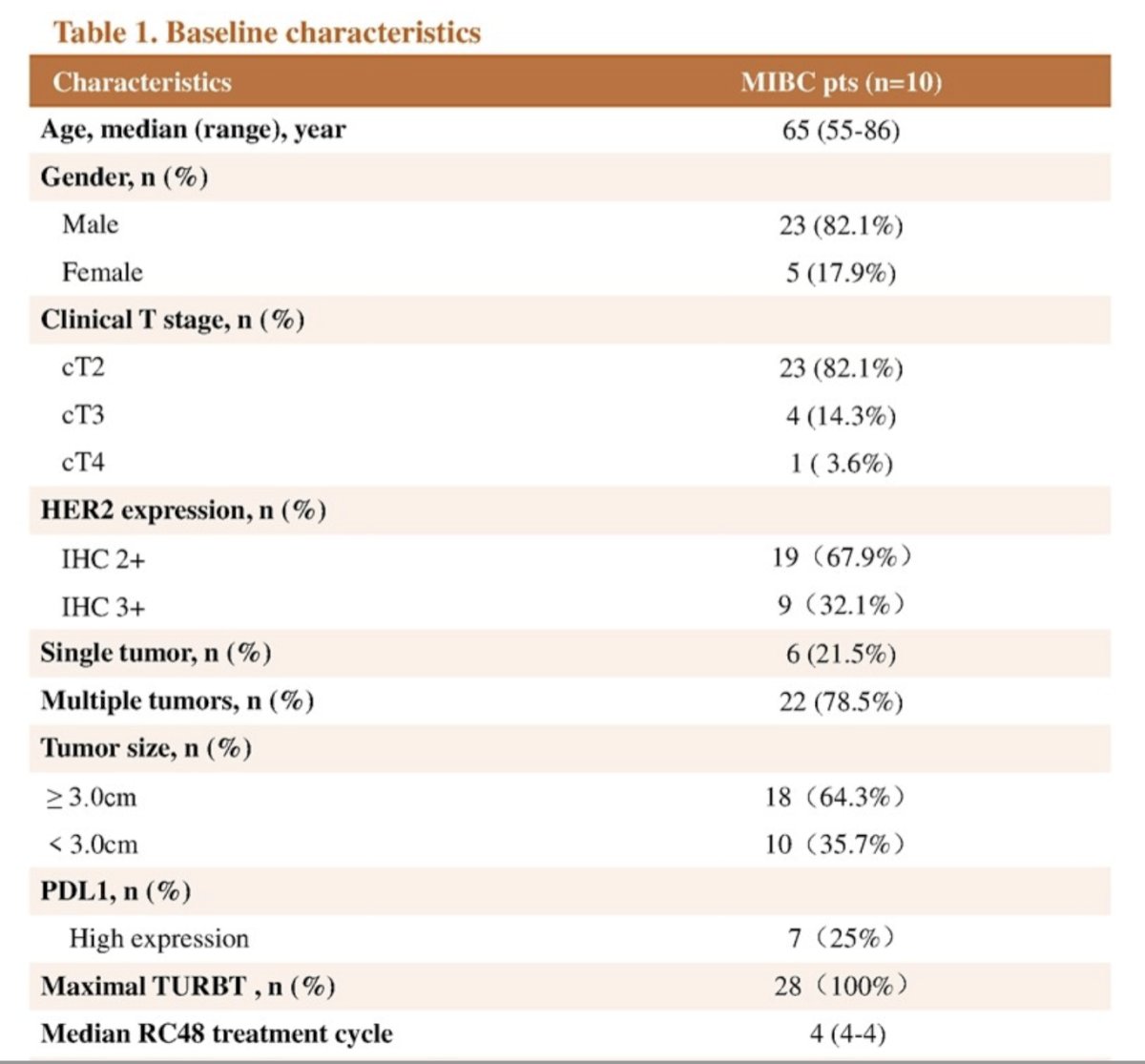
By May. 2025, 28 patients were enrolled and analyzed. Select baseline characteristics are as follows:
- Male: 82%
- Median age: 66 years
- cT2: 82%
- cT3: 14.3%
- Her2(2+): 68%
- Her2(3+): 32%
- Multifocal disease: 79%
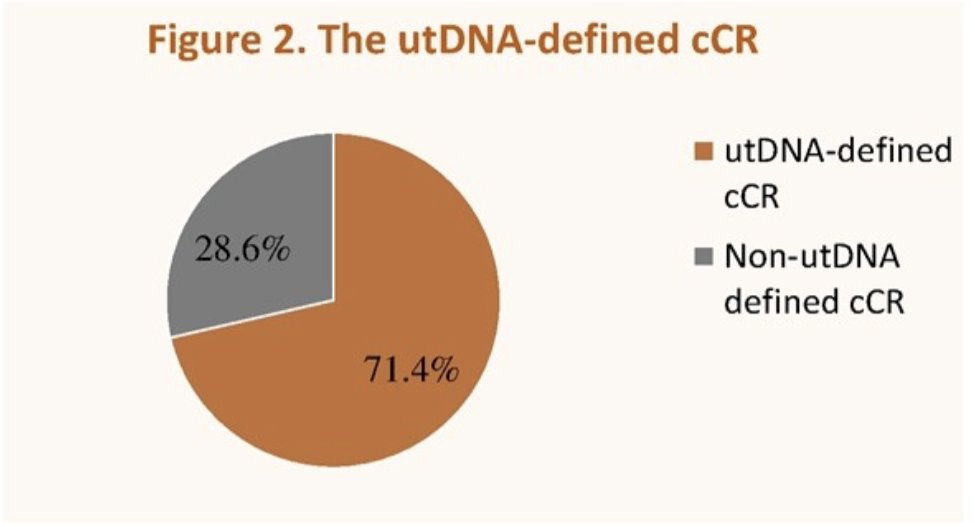
The median number of tislelizumab and RC48 cycles was 4. The median follow-up duration was 13.4 months. The utDNA-defined cCR rate was 71.4%.
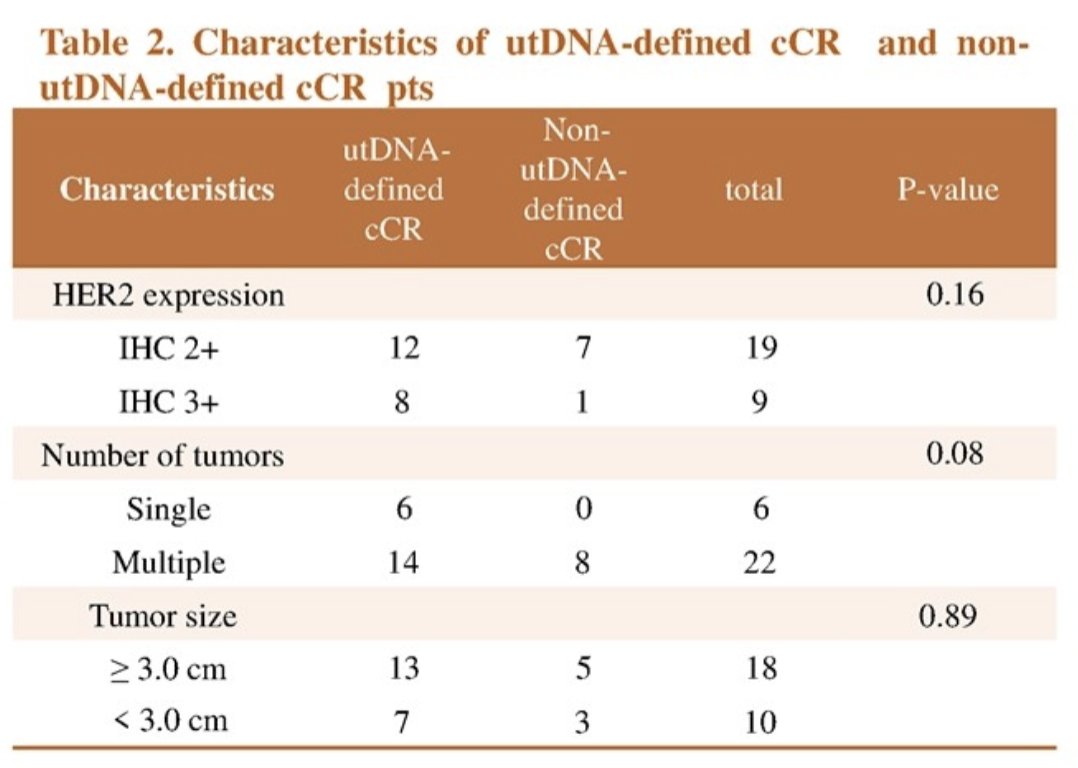
Two patients with a cCR experience disease recurrence and opted for a savage radical cystectomy. The utDNA-defined cCR rate was 89% for Her2(3+) patients. The utDNA-defined cCR rate was 100% for patients with solitary tumors. The bladder-preservation rate for utDNA-defined cCR patients was 100%.
The most common treatment-related adverse events were Grade 1-2, including alopecia, numbness in hands and feet, poor appetite, pruritus, and rash.
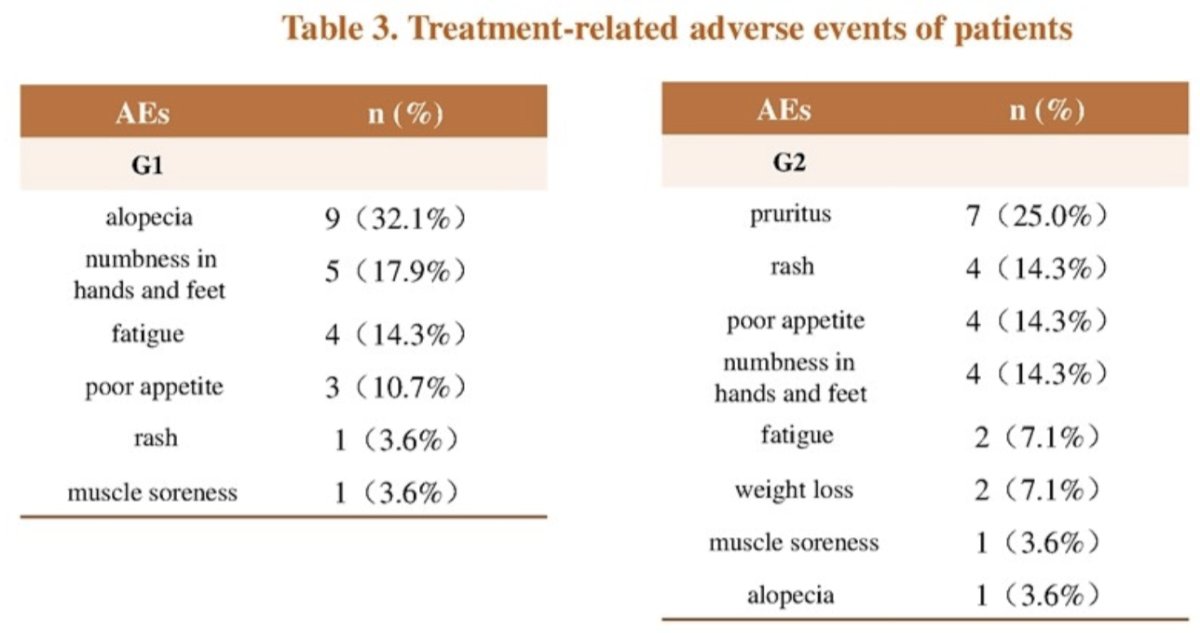
Dr. Huang concluded that tislelizumab combined with RC48 demonstrated excellent efficacy and safety outcomes in utDNA-defined cCR MIBC patients opting for bladder preservation.
Presented by: Bin Huang, MD, Department of Urology, The First Affiliated Hospital of Sun Yat-sen University, Guangzhou, 510000, China
Written by: Rashid K. Sayyid, MD, MSc, Assistant Professor, Urologic Oncologist, Department of Urology at The University of Arizona and Banner University Medical Center – Tucson, AZ, @rksayyid on X during the 2025 European Society for Medical Oncology (ESMO) Annual Congress, Berlin, Germany, October 17–21, 2025