

(UroToday.com) The European Association of Urology (EAU) 2026 Annual Congress was host to an advanced prostate cancer session hosted jointly by the Advanced Prostate Cancer Consensus Conference (APCCC) and the EAU. Dr. Aurelius Omlin presented results from the consensus expert voting on high-risk, non-metastatic hormone-sensitive prostate cancer (nmHSPC) during the 2024/2025 APCCC meeting and queried the audience regarding their preferred management options for select patient scenarios.1
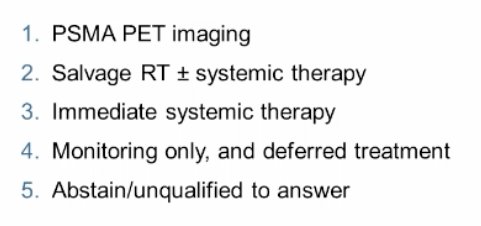
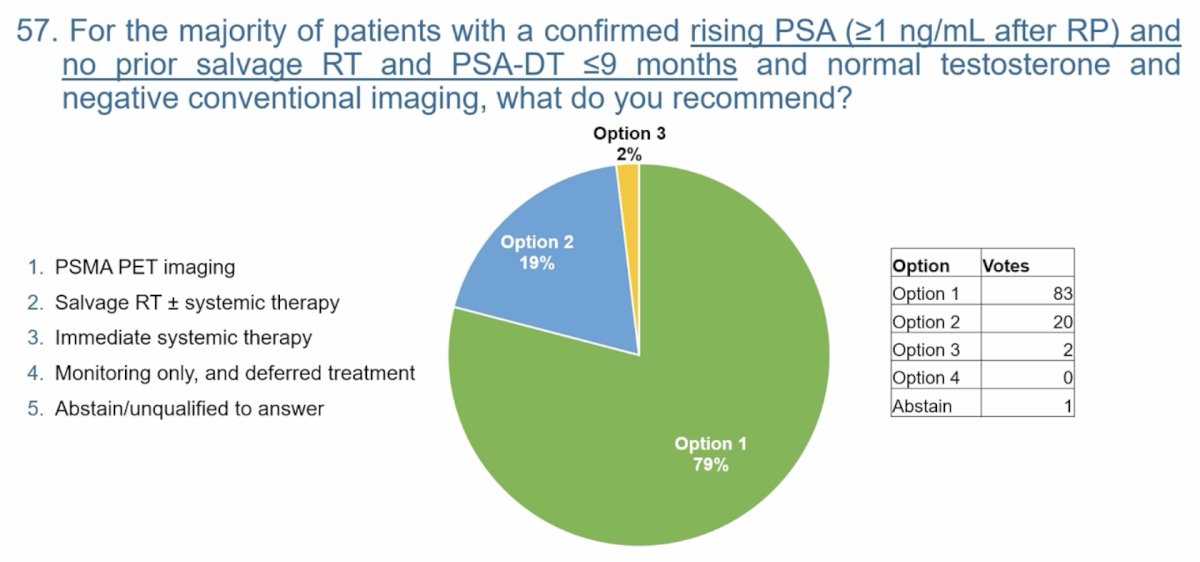
Dr. Omlin presented the first case scenario: “For the majority of patients with a confirmed rising PSA (≥1 ng/mL after radical prostatectomy [RP]) and no prior salvage radiotherapy (RT) and PSA doubling time (PSA-DT) ≤9 months and normal testosterone and negative conventional imaging, what do you recommend?”
The options were as follows:
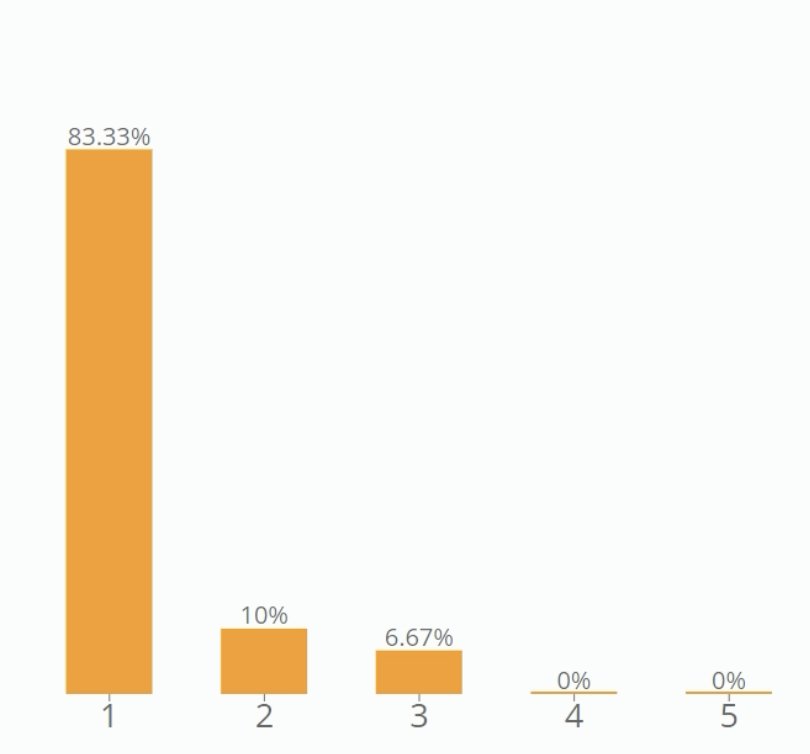
The vast majority of the audience in attendance voted in favor of PSMA PET imaging (83.3%).
This was overall consistent with the experts’ opinion who had voted strongly in favor of PSMA PET imaging as the 1st step for such a patient (79%), while 19% had voted for salvage RT +/- systemic therapy.
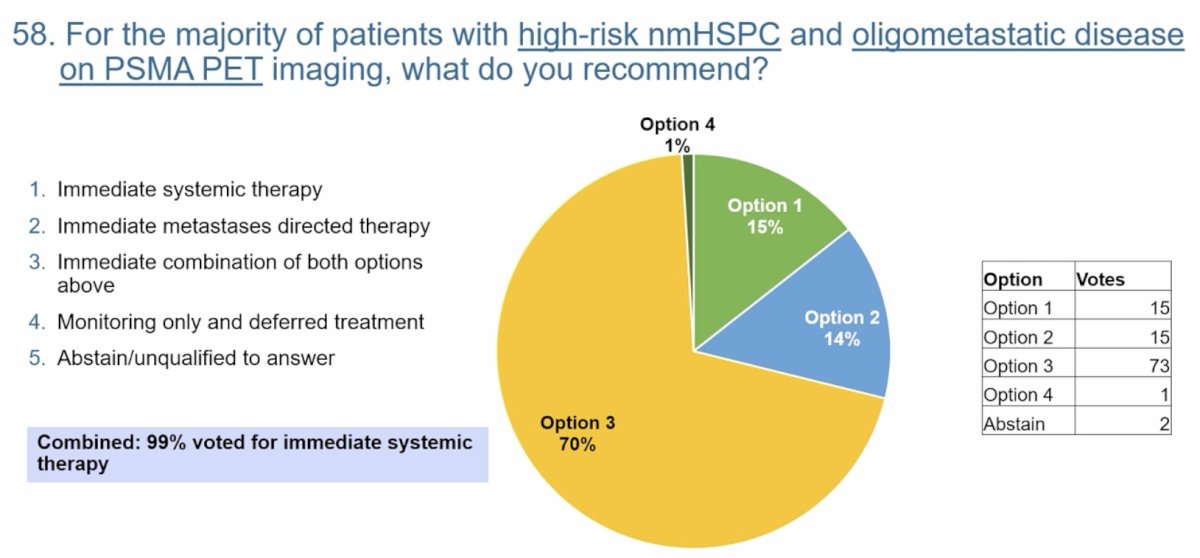
Next, Dr. Omlin posed the following clinical question: “For the majority of patients with high-risk nmHSPC and oligometastatic disease on PSMA PET imaging, what do you recommend?” The options were as follows:
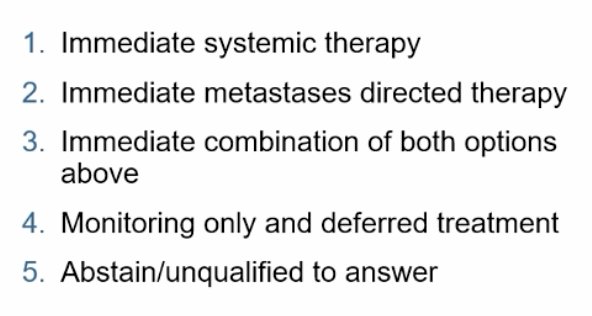
Seventy percent of the experts had voted in favor of combination immediate systematic + metastasis-directed therapy (70%), with an additional 15% and 14% having voted for immediate systematic therapy only and immediate metastasis-directed therapy, respectively. He highlighted that, overall, 99% had voted for immediate systemic therapy.
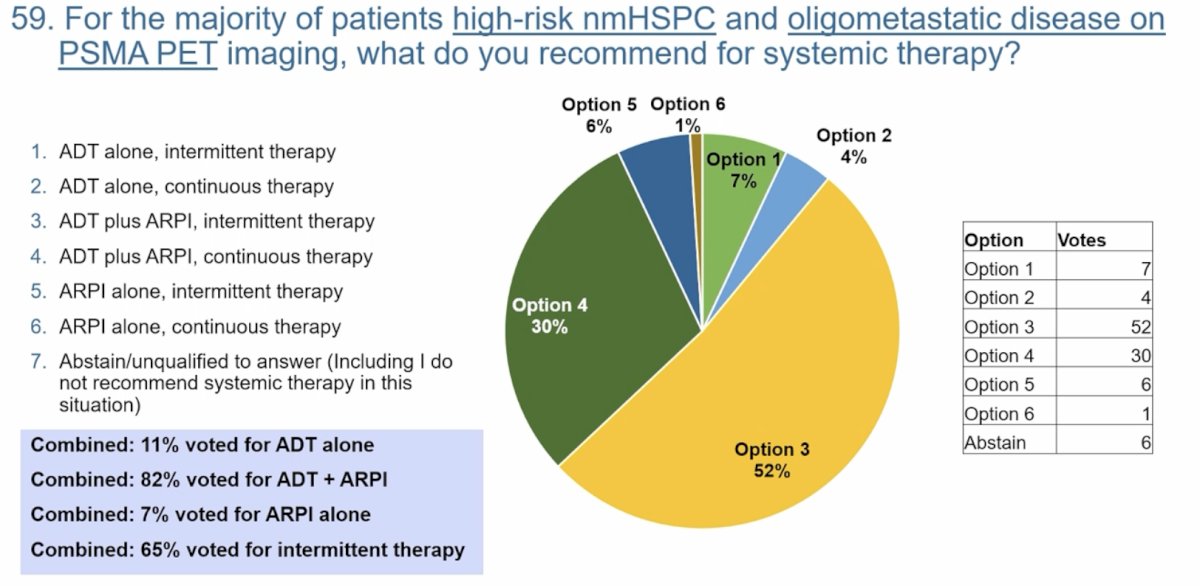
The next clinical scenario presented was as follows: “For the majority of patients with high-risk nmHSPC and oligometastatic disease on PSMA PET imaging, what do you recommend for systemic therapy?” The options were as follows:
Overall, 82% of the APCCC experts had voted in favor of ADT + an androgen receptor pathway inhibitor (ARPI; intermittent therapy: 52%, continuous therapy: 30%). Overall, 65% had voted for intermittent therapy, either as ADT + ARPI (52%), ADT alone (7%), or ARPI alone (6%).
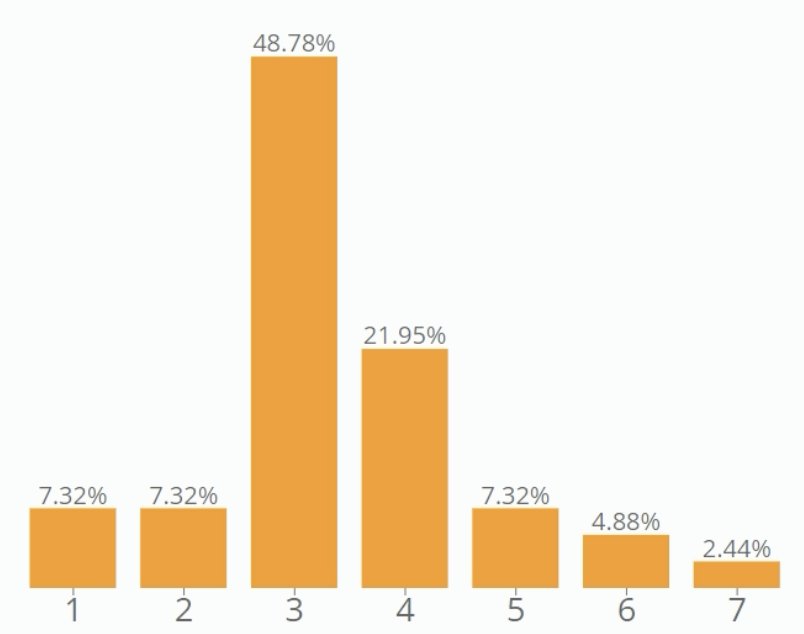
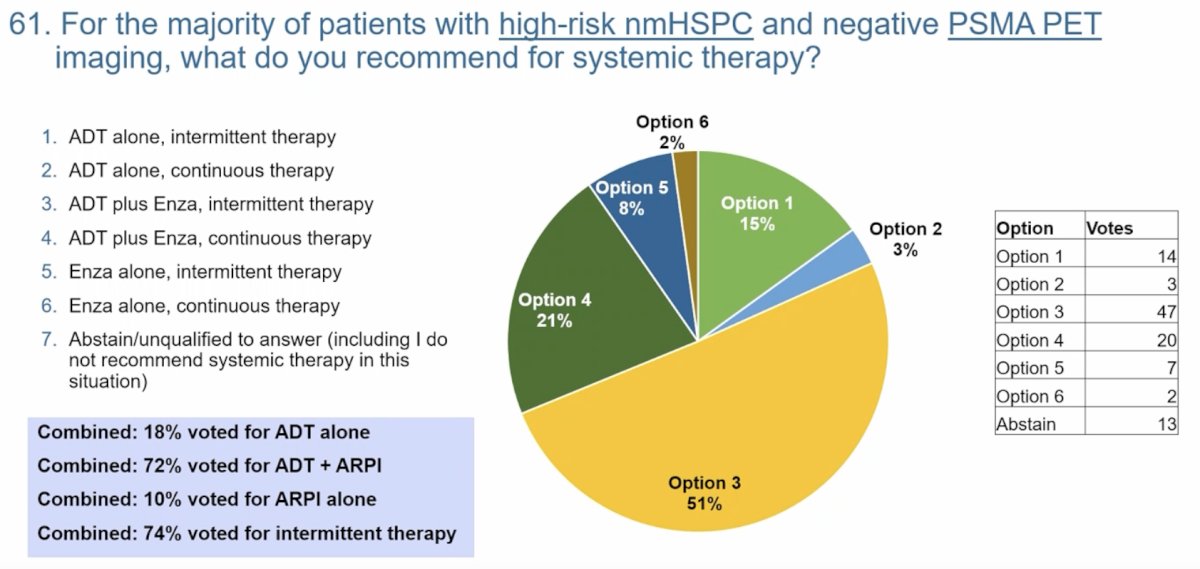
The next clinical scenario was as follows: “For the majority of patients with high-risk nmHSPC and negative PSMA PET imaging, what do you recommend for systemic therapy?” The options were as follows:
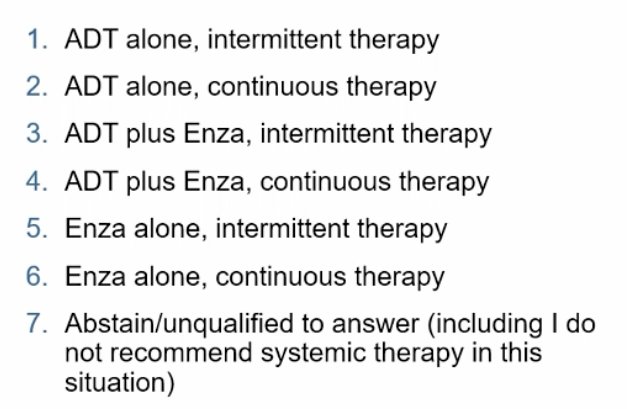
Seventy-one percent of the audience voted in favor of ADT + enzalutamide (intermittent: 48.8%; continuous: 22%).
This was consistent with the experts’ consensus, as 72% had similarly had voted in favor of ADT + enzalutamide (intermittent: 51%, continuous: 21%). Notably, 74% had voted for intermittent therapy (ADT alone, ADT + enzalutamide, enzalutamide alone).
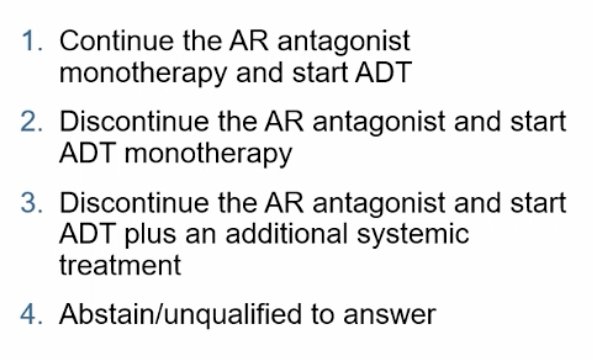
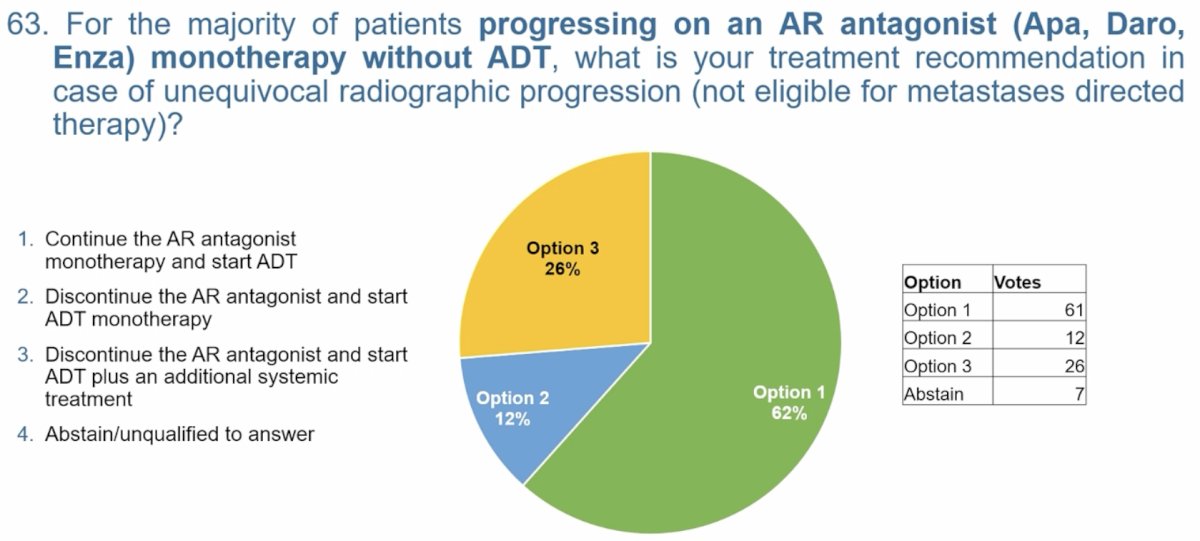
Next, Dr. Omlin addressed the question of progression on ARPI monotherapy, as follows: “For the majority of patients progressing on an AR antagonist (apalutamide, darolutamide, enzalutamide) monotherapy without ADT, what is your treatment recommendation in case of unequivocal radiographic progression (not eligible for metastasis-directed therapy)?” The options were as follows:
Sixty-two percent of the experts had voted in favor of starting ADT, while continuing the APRI, whereas 26% had voted in favor of discontinuing the ARPI and starting ADT plus an additional systemic treatment.
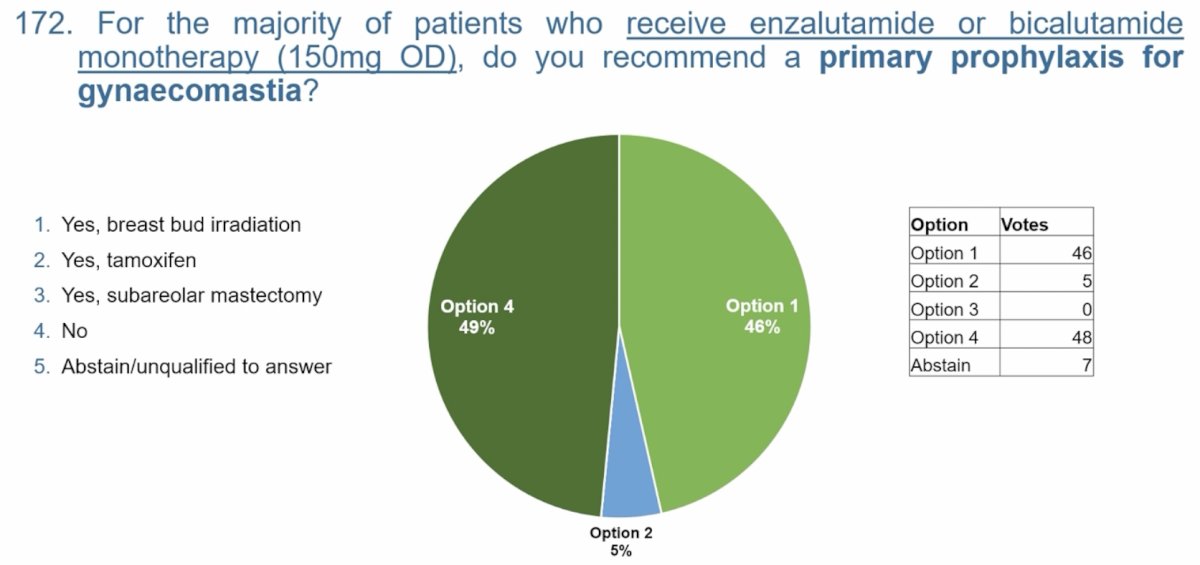
Finally, addressing survivorship with hormone therapy, Dr. Omlin asked the following: “For the majority of patients who receive enzalutamide or bicalutamide monotherapy (150 mg once daily), do you recommend primary prophylaxis for gynecomastia?”
Nearly half of the experts (49%) had voted in favor of no primary prophylaxis, with 46% having voted in favor of breast bud irradiation.
Presented by: Aurelius Omlin, MD, Professor, Medical Oncology, Onkozentrum Zürich, Zurich, Switzerland
Written by: Rashid K. Sayyid, MD, MSc, Assistant Professor, Urologic Oncologist, Department of Urology at The University of Arizona and Banner University Medical Center, Tucson, AZ – @rksayyid on X during the 2026 European Association of Urology (EAU) Annual Meeting, London, United Kingdom, Fri, Mar 13 – Mon, Mar 16, 2026.
References: