

(UroToday.com) The 2026 European Association of Urology (EAU) annual meeting featured a surgical and non-surgical treatment of non-muscle invasive bladder cancer session and a presentation by Dr. Yuhui He discussing a first-in-human application of Nectin4-targeted fluorescence imaging for enhanced trans urethral resection of bladder tumor (TURBT). This study, presented at EAU 2026, aimed to develop and validate a Nectin4-targeted fluorescence probe for improving bladder cancer detection, margin assessment, and surgical outcomes during TURBT.
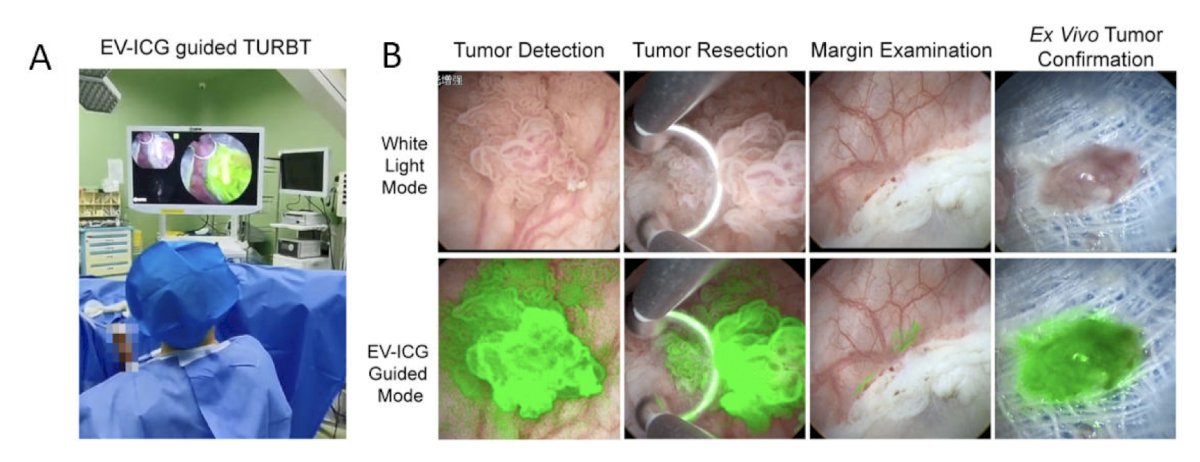
The investigators analyzed Nectin4 expression in bladder cancer using public datasets and an institutional cohort. Subsequently, they developed a bladder cancer-specific fluorescence imaging probe by conjugating indocyanine green to enfortumab vedotin, a monoclonal antibody targeting Nectin4. They then assessed indocyanine green to enfortumab vedotin's ability to identify bladder cancers using both in vitro and ex vivo models. Furthermore, the investigators evaluated the efficacy of indocyanine green to enfortumab vedotin in diagnosing bladder cancer and delineating tumor boundaries through two independent, prospective diagnostic trials using fresh human bladder samples ex vivo, followed by its first in-human application for guided TURBT surgery in vivo:
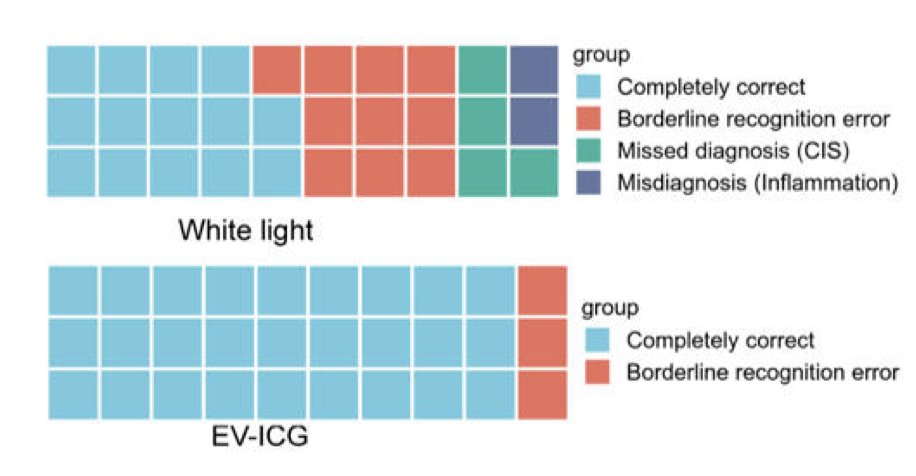
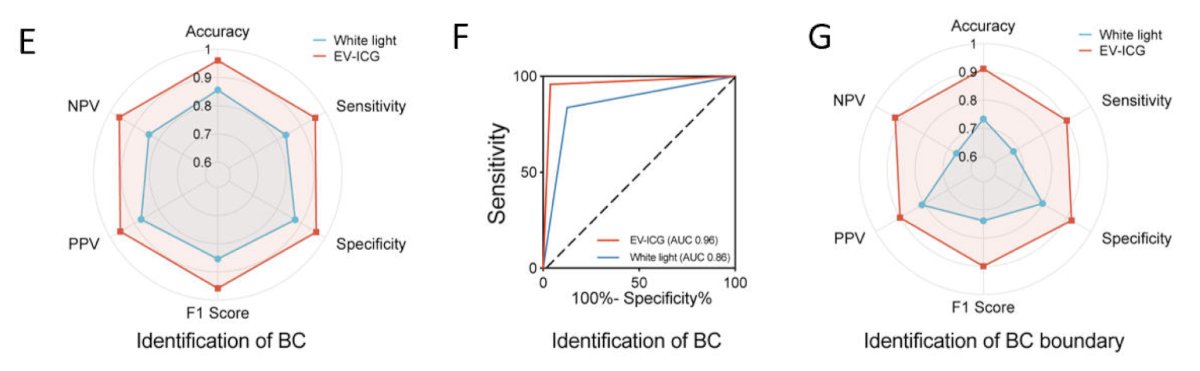
In preclinical models, indocyanine green to enfortumab vedotin enabled targeted bladder cancer detection and doubled the complete tumor resection rate. The ex vivo study on human bladders demonstrated a 96.3% diagnostic accuracy for indocyanine green to enfortumab vedotin-guided biopsy. In the in vivo clinical trial, indocyanine green to enfortumab vedotin achieved a 96% diagnostic accuracy and 91.1% tumor margin detection rate, significantly outperforming white light cystoscopy (85.6% and 72.2%, respectively):
The first in human fluorescence-guided TURBT using indocyanine green to enfortumab vedotin markedly enhanced real-time tumor visualization, improved margin assessment, and facilitated the detection of residual tumors and CIS:
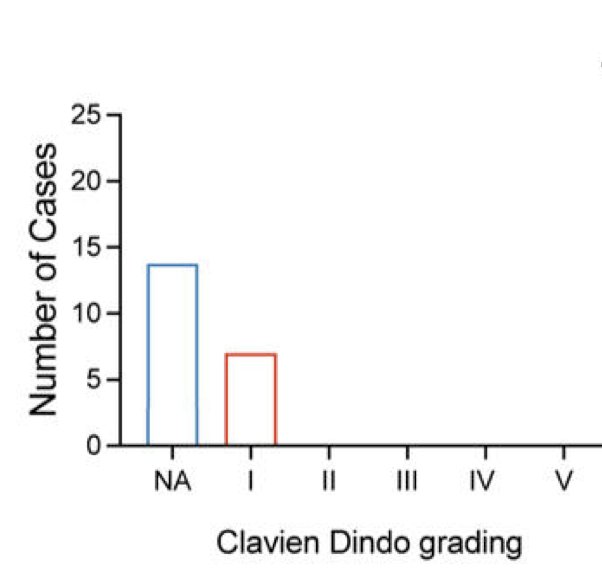
The probe demonstrated a favorable safety profile in all patients:
Dr. He concluded this presentation discussing the first-in-human application of Nectin4-targeted fluorescence imaging for enhanced TURBT with the following take-home points:
- Nectin4-targeted fluorescence imaging with indocyanine green to enfortumab vedotin substantially improves the accuracy of bladder cancer detection and completeness of surgical resection compared to standard white light cystoscopy
- This novel molecular probe shows significant promise for clinical use in image-guided surgery, offering a valuable tool for enhancing surgical navigation and improving patient outcomes
Presented by: Yuhui He, China-Japan Friendship Hospital, Beijing, China
Written by: Zachary Klaassen, MD, MSc – Urologic Oncologist, Associate Professor of Urology, Georgia Cancer Center, Wellstar MCG Health, @zklaassen_md on Twitter during the 2026 European Association of Urology (EAU) Annual Meeting, London, United Kingdom, Fri, Mar 13 – Mon, Mar 16, 2026.