

(UroToday.com) The Bladder Cancer Advocacy Network (BCAN) Bladder Cancer Think Tank 2026 was host to the EV + Pembrolizumab in Urothelial Cancer: Key Questions in a Changing Treatment Landscape Session. Dr. Vadim Koshkin and Joshua Meeks co-chaired this session. Drs. Jonathan Rosenberg, Ashish Kamat, Sima P. Porten and Jon Treffert discussed How to Manage the Bladder after EVP.
Dr. Koshkin opened the session by emphasizing the remarkable transformation in outcomes for patients with metastatic urothelial carcinoma following the introduction of enfortumab vedotin plus pembrolizumab. He highlighted the updated EV-302 data, which demonstrated an unprecedented survival advantage over platinum-based chemotherapy.1 With a median overall survival of 33.6 months compared with 15.9 months for chemotherapy alone (HR 0.53), EV plus pembrolizumab has redefined the standard of care and established a new benchmark for treatment efficacy in metastatic disease. Importantly, the durability of benefit remained striking over time. At 3.5 years, an estimated 44% of patients treated with EV plus pembrolizumab remained alive compared with only 24.6% of patients receiving chemotherapy.1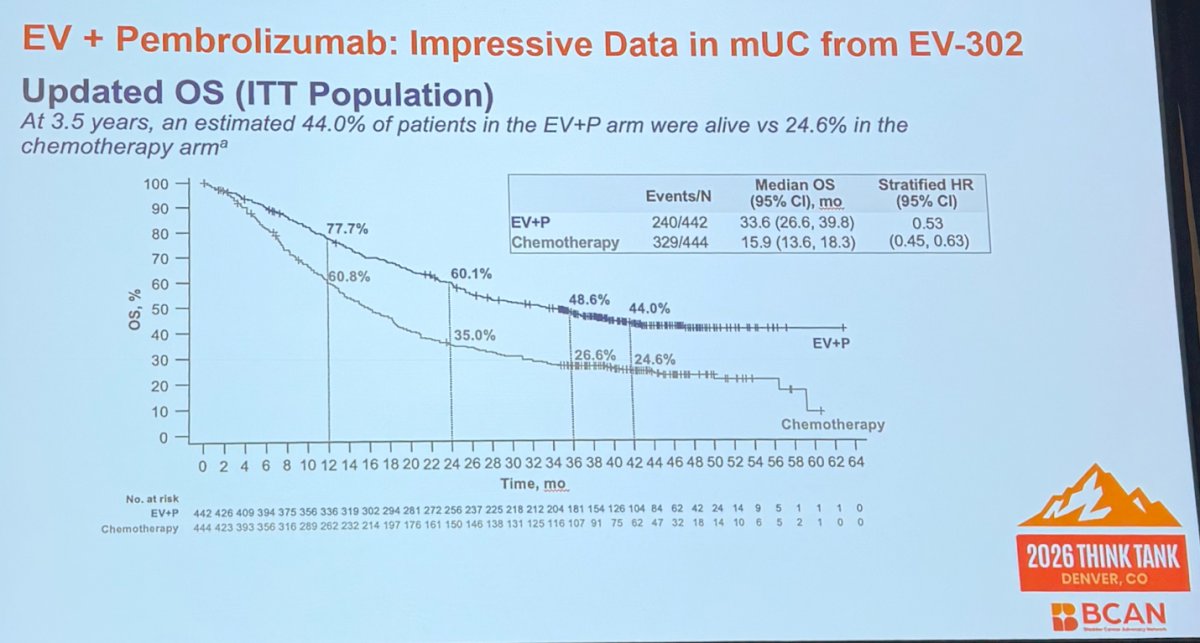
Dr. Koshkin reinforced that EV-302 has fundamentally changed the treatment landscape in metastatic urothelial carcinoma, delivering unprecedented survival outcomes and establishing EV plus pembrolizumab as the clear first-line standard of care. However, he also noted that EV-302 is no longer the only positive frontline phase 3 study in this space.
He highlighted the CheckMate-901 trial, which evaluated cisplatin, gemcitabine, and nivolumab versus cisplatin and gemcitabine alone in cisplatin-eligible patients. The study demonstrated a significant overall survival benefit with the addition of nivolumab, with a median OS of 21.7 months compared with 18.9 months for chemotherapy alone (HR 0.78, p=0.0171). While the magnitude of benefit was more modest than that observed with EV plus pembrolizumab, the results provide further evidence that immunotherapy-based combinations continue to improve outcomes in metastatic urothelial carcinoma and may expand the range of effective frontline treatment options.2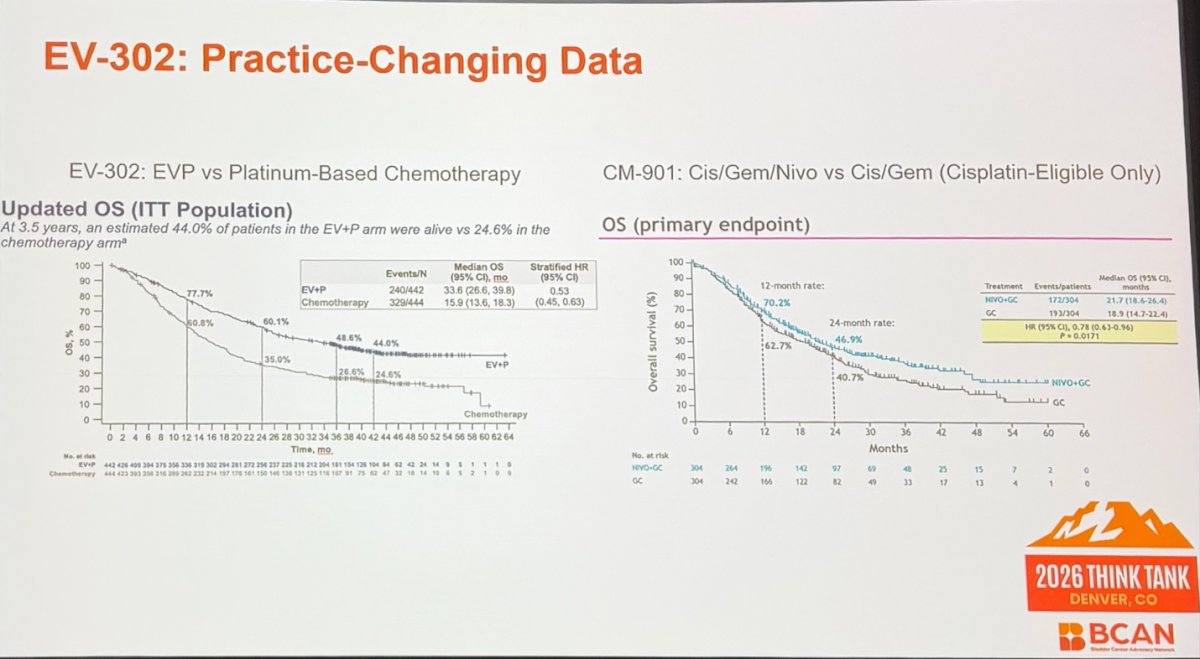
However, while EV-302 represents a major advance in metastatic urothelial carcinoma, the remarkable efficacy of EV plus pembrolizumab raises several important unanswered questions. Despite the significant survival benefit, nearly half of patients still experience disease progression within the first year, highlighting the need for additional treatment strategies for patients who do not achieve durable benefit.
He also discussed the challenge of balancing efficacy with toxicity and questioned how much treatment is truly necessary to achieve these outcomes. This is particularly relevant as some patients remain on therapy for prolonged periods, raising interest in treatment de-escalation strategies. Additional questions include whether consolidative treatment of the primary tumor with surgery or radiation could further improve outcomes in selected patients with metastatic disease, and whether patients previously exposed to EV plus pembrolizumab in the perioperative setting can be successfully rechallenged with the same regimen if they later develop metastatic recurrence. These issues are becoming increasingly important as EV plus pembrolizumab moves into earlier disease states and is used across multiple stages of urothelial carcinoma.
Dr. Joshua Meeks then shifted the discussion to the perioperative setting, highlighting the practice-changing results from KEYNOTE-905/EV-303 and KEYNOTE-815/EV-304.3,4 Across both cisplatin-ineligible and cisplatin-eligible populations, the addition of enfortumab vedotin plus pembrolizumab substantially improved pathologic complete response rates, event-free survival, and overall survival compared with standard approaches. In EV-304, pCR rates increased from 32.5% to 55.8%, while EFS and OS were significantly improved (HR 0.53 and 0.65, respectively). Similarly, in the cisplatin-ineligible EV-303 study, pCR rates reached 57.1% compared with only 8.6% in the control arm, with marked improvements in EFS (HR 0.40) and OS (HR 0.50).
These data firmly establish perioperative EV plus pembrolizumab as a new standard of care for many patients with MIBC.3,4
Based on this timeline, Dr. Meeks highlighted the remarkable pace at which enfortumab vedotin plus pembrolizumab has transformed the treatment landscape of urothelial carcinoma. In less than three years, the combination moved from an FDA approval in metastatic urothelial cancer in December 2023 to the perioperative MIBC setting in November 2025, followed by the approval of the subcutaneous formulation with pembrolizumab and berahyaluronidase alfa in July 2026.
He emphasized that EV plus pembrolizumab is no longer confined to advanced disease but is now being integrated throughout the urothelial cancer continuum. As a result, clinicians are increasingly encountering patients who have already received EV-based therapy in earlier stages of disease, creating new questions regarding treatment sequencing, resistance mechanisms, retreatment strategies, and how best to optimize outcomes as these agents move into both perioperative and potentially bladder preservation settings.
How to Manage the Bladder after EVP -Dr. Jonathan RosenbergDr. Rosenberg began by presenting a clinical case of a 59-year-old woman with no significant medical history who initially developed gross hematuria that transiently improved with antibiotics. Further evaluation with CT imaging and cystoscopy revealed a 4 cm bladder mass, and TURBT confirmed muscle-invasive bladder cancer. Staging PET/CT was negative, renal function was preserved with a GFR of 62 mL/min, and baseline Signatera testing was positive at 4.3 MTM/mL. After receiving four cycles of enfortumab vedotin plus pembrolizumab, her ctDNA became undetectable, raising important questions regarding the optimal next step in management.
Using this case as a framework, Dr. Rosenberg explored several key challenges that clinicians increasingly face in the modern era of highly effective systemic therapy. Should a patient with ctDNA clearance proceed with radical cystectomy or consider bladder preservation? If bladder preservation is pursued, what can be expected regarding long-term bladder function and quality of life? If disease recurs after a bladder-sparing approach, is salvage cystectomy still feasible? Does the patient require additional local therapy despite an excellent systemic response, and how should future systemic treatment be approached if recurrence develops after prior exposure to enfortumab vedotin plus pembrolizumab? These questions framed the remainder of the discussion on integrating systemic therapy, local therapy, and biomarkers into individualized treatment decisions for MIBC.
Dr. Rosenberg highlighted that the perioperative EV plus pembrolizumab paradigm has produced unprecedented improvements in both event-free and overall survival across cisplatin-eligible and cisplatin-ineligible MIBC populations. However, these impressive results raise an important question: are all components of the current treatment strategy necessary for every patient? As more patients achieve deep responses with neoadjuvant therapy, some may ultimately be overtreated with prolonged perioperative regimens.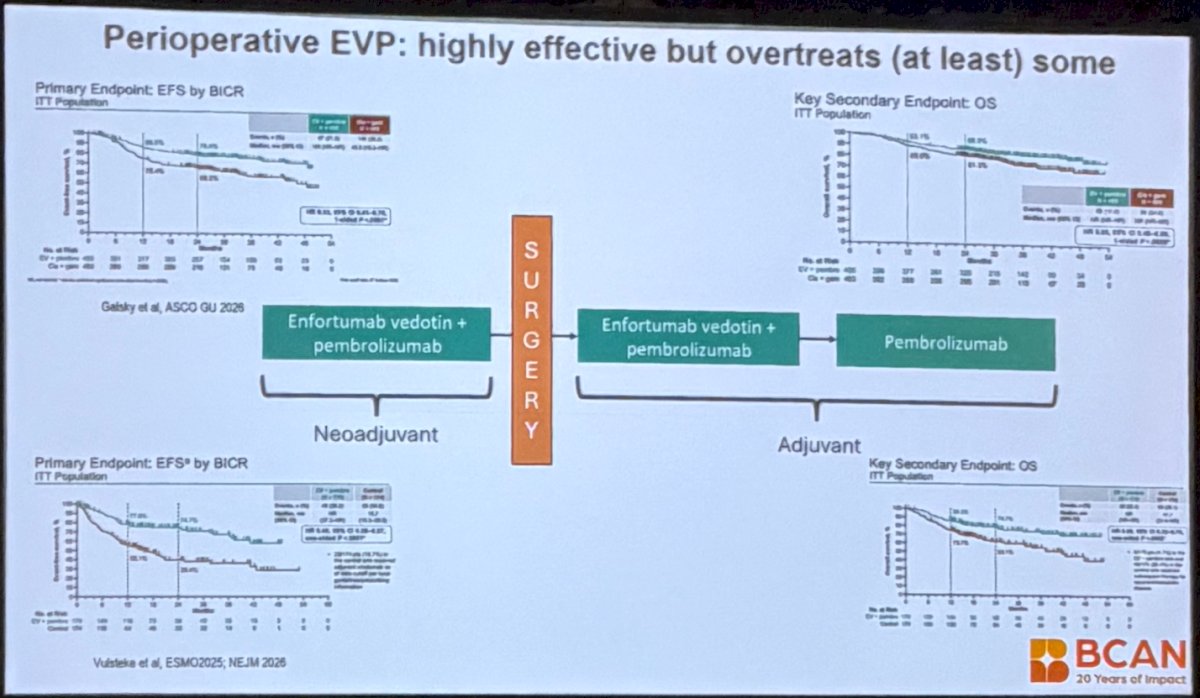
Dr. Rosenberg then questioned whether pathologic stage should determine the need for adjuvant therapy following perioperative EV plus pembrolizumab. Across EV-303 and EV-304, patients who achieved a pCR experienced excellent outcomes, with pCR rates exceeding 55% in both studies. These results raise a broader question: if systemic therapy is capable of producing such profound responses, do all of these patients still require radical surgery or other radical local therapies? As outcomes continue to improve, future studies will need to determine whether treatment can be safely de-escalated in selected patients without compromising cure.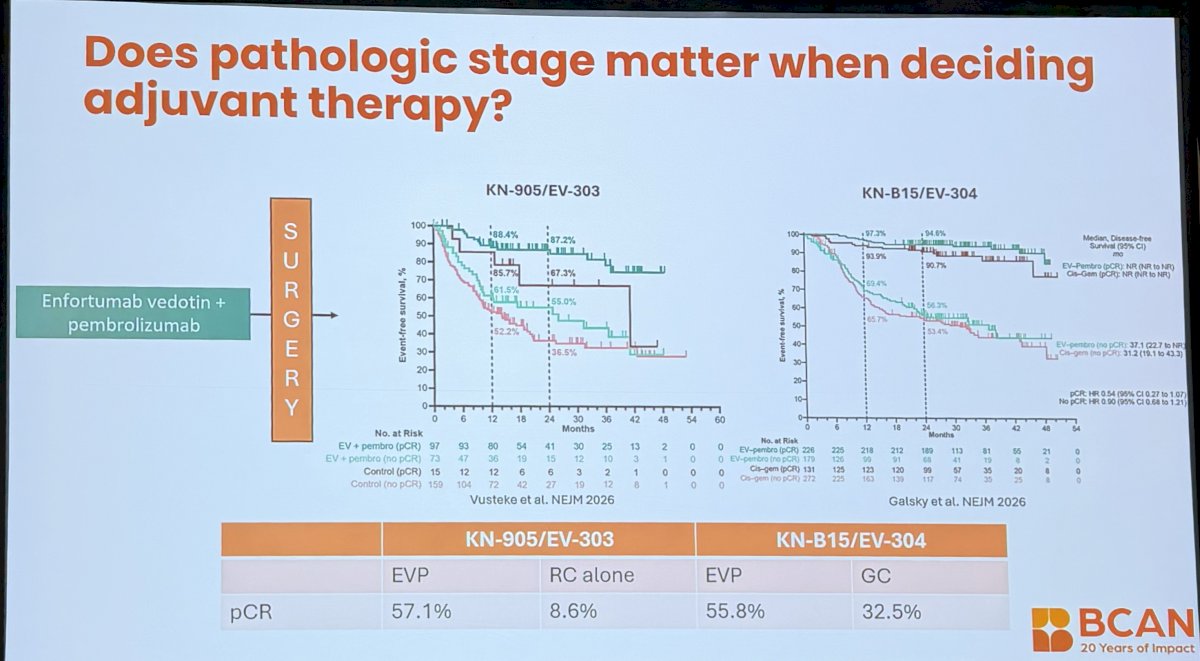
Dr. Rosenberg reviewed long-term data from highly selected patients with small T2 tumors who achieved a complete response to neoadjuvant chemotherapy and deferred cystectomy. While bladder recurrences accumulated over time, the 15-year probability of being alive with an intact bladder was 41%, highlighting that durable bladder preservation is achievable in a subset of carefully selected patients. He noted that excess mortality remained low, at approximately 11%, and posed the question of whether the remarkable responses now being observed with EV plus pembrolizumab could further expand the population eligible for bladder preservation strategies.4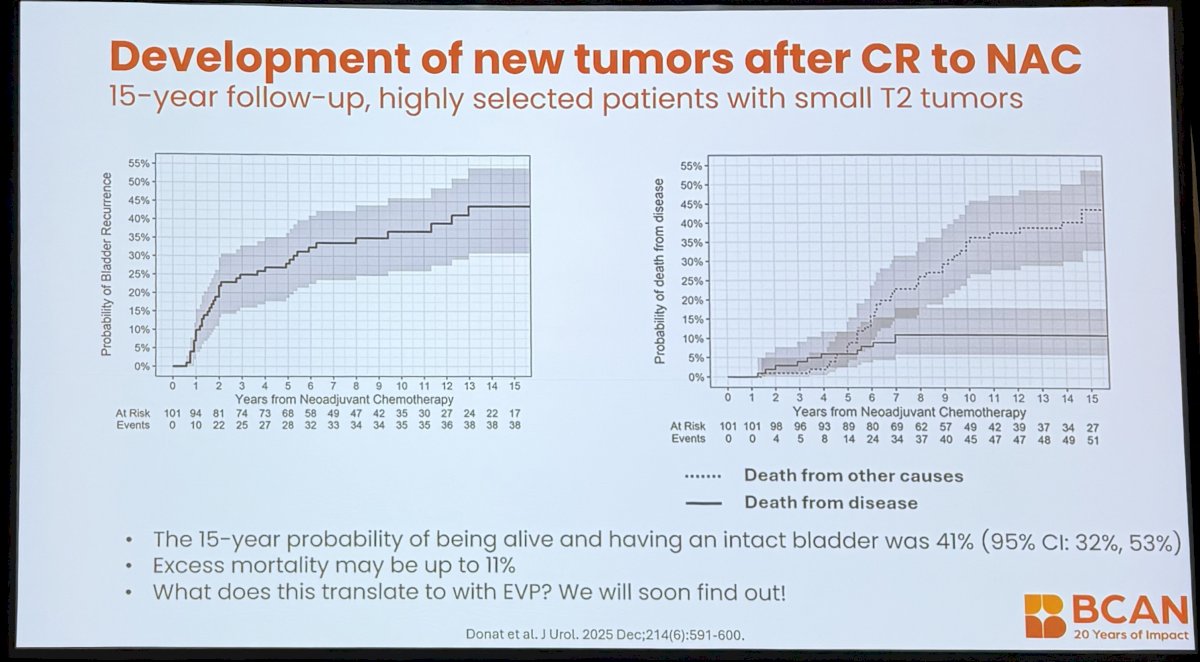
Moreover, the interaction between pathologic stage and ctDNA status remains one of the most important unanswered questions in the adjuvant setting. He proposed a framework in which patients with undetectable ctDNA following surgery could potentially be observed, whereas those with persistent ctDNA positivity may warrant treatment escalation or a change in therapy.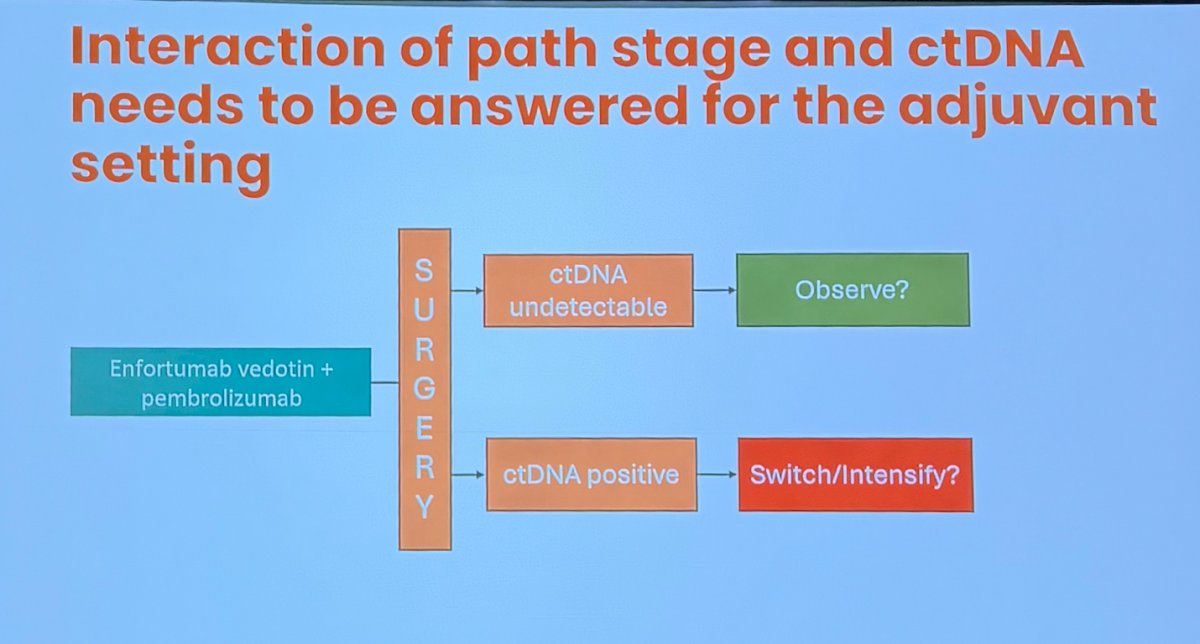
Dr. Rosenberg highlighted the ongoing VOLGA trial as a study that may provide insights into the role of adjuvant enfortumab vedotin following surgery. However, he noted that while VOLGA will help inform the field, it is unlikely to fully answer the question of who benefits from postoperative therapy. As perioperative treatment strategies become increasingly complex, studies incorporating both pathologic response and ctDNA status will likely be needed to better define which patients can be observed and which may require treatment intensification after surgery.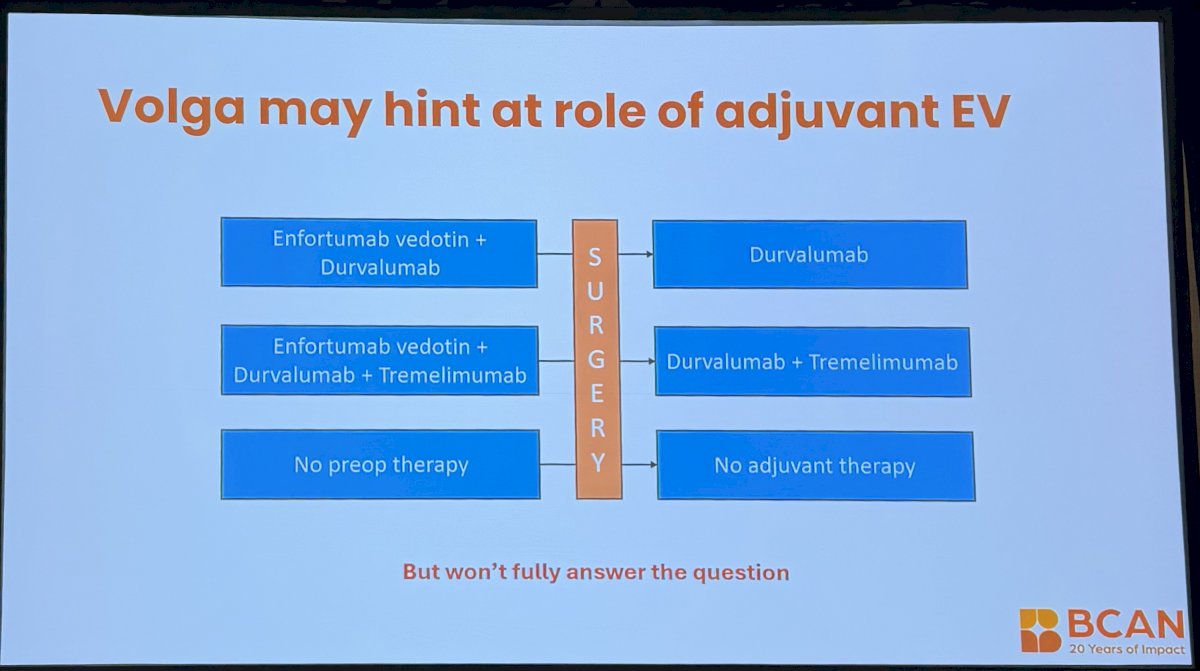
Dr. Rosenberg concluded by emphasizing that EV-303 and EV-304 are the data currently available, and their impact on the management of MIBC cannot be overstated. While it is tempting to extrapolate beyond the evidence and apply these findings to new clinical scenarios, he cautioned that doing so may sometimes be at the patient's peril. Until prospective data become available, treatment decisions should remain grounded in the evidence generated by these landmark studies.
Dr. Kamat emphasized that meaningful shared decision making requires patients to have health information that is accurate, accessible, and appropriate. He highlighted findings from a global survey of bladder cancer patients and caregivers across 45 countries, which revealed substantial gaps in patient counseling. Among patients who ultimately underwent radical cystectomy, 74% reported that no alternative treatment options were discussed. These findings underscore the importance of ensuring that patients are fully informed about all available management strategies, including bladder preservation approaches when appropriate, so they can actively participate in treatment decisions.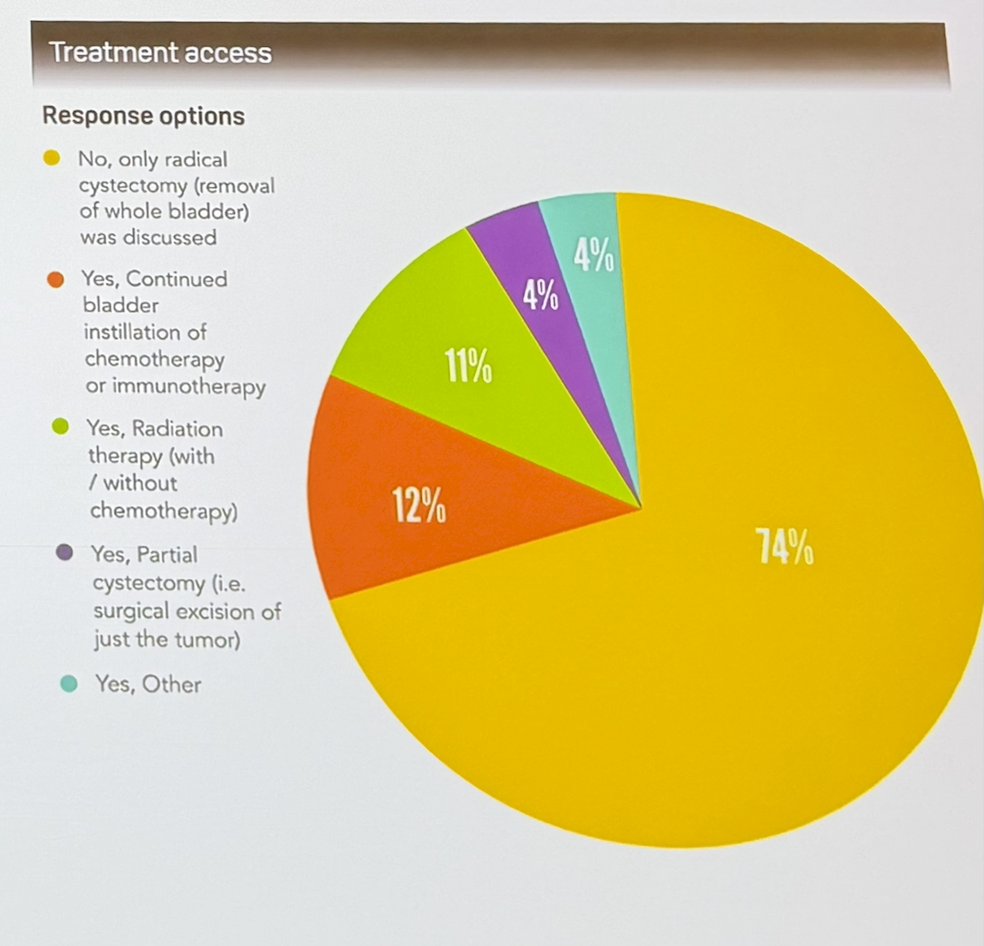
Dr. Kamat highlighted the remarkable pathologic responses observed with perioperative EV plus pembrolizumab in KEYNOTE-B15, where 64.4% of patients achieved a pathologic complete response and an additional 9.1% were downstaged to non-muscle invasive disease. He used these data to raise a provocative question that is increasingly being asked by patients: if no viable tumor is found at cystectomy, or if disease has regressed to NMIBC, why is bladder removal still necessary?. Dr. Kamat also reminded the audience that 26.5% of patients did not achieve downstaging and had persistent muscle-invasive disease at cystectomy. Thus, while patients may reasonably ask why bladder removal is necessary after such dramatic responses, the answer is that current clinical tools cannot reliably identify who has truly eradicated all disease and who harbors residual invasive cancer.3,4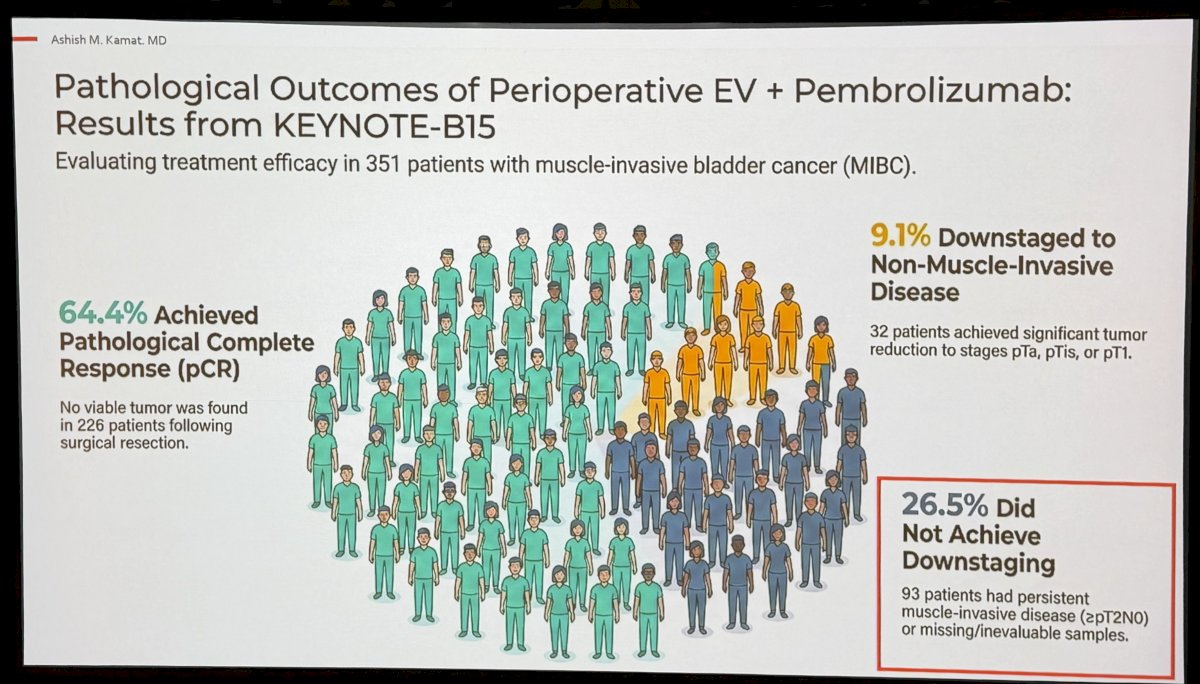
Dr. Kamat challenged the common assumption that improving pCR rates will necessarily translate into better overall survival. Reviewing data across neoadjuvant bladder cancer trials, he showed that the correlation between pCR and survival is relatively weak and becomes only moderate after excluding selected high-risk studies. His message was clear: while pCR is an important measure of treatment activity, it should not be viewed as a reliable surrogate for overall survival. Ultimately, improving long-term outcomes for patients remains the goal, and pCR alone may not be sufficient to guide major treatment decisions such as bladder preservation.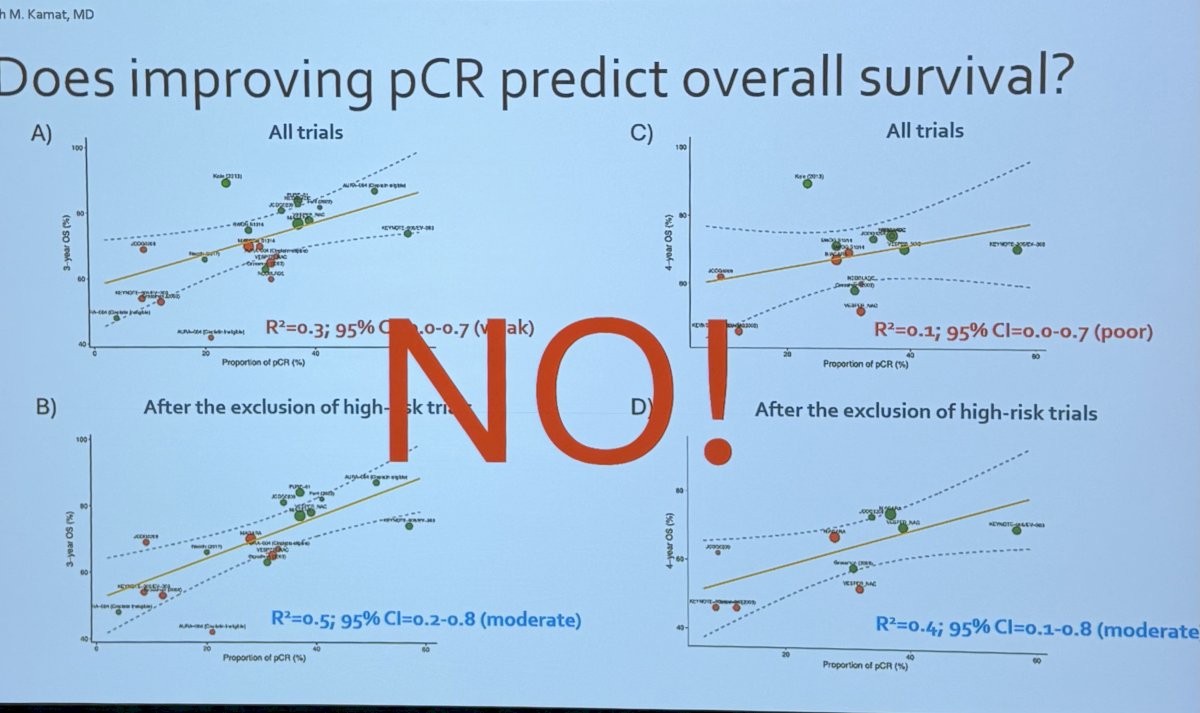
Dr. Kamat highlighted a recent International Bladder Cancer Group position paper led by him and Dr. Andrea Necchi that addresses endpoints for next-generation bladder preservation trials in MIBC. The framework proposes integrating clinical response assessment, bladder MRI, ctDNA, and urinary tumor DNA after systemic therapy to identify patients who may be candidates to omit radical cystectomy. Importantly, the group argues that future trials should move beyond pathologic response alone and focus on clinically meaningful endpoints such as bladder-intact cancer-free survival, local recurrence, metastatic progression, and patient-reported outcomes. This work provides a roadmap for evaluating bladder preservation strategies in the era of highly active systemic therapies.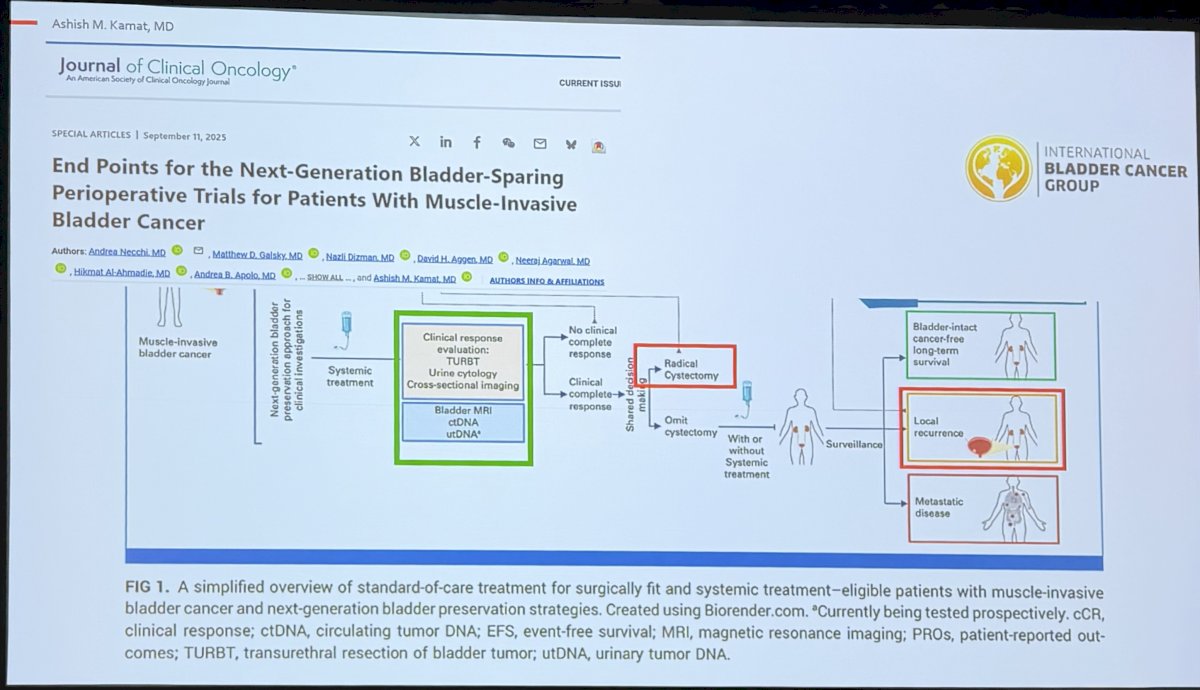
Dr. Kamat discussed the statistical threshold that would need to be met before omitting cystectomy could be considered acceptable. Using a framework that incorporates both the positive predictive value of a clinical complete response assessment and the success of salvage therapy, he demonstrated that the bar is exceptionally high. Depending on the effectiveness of salvage treatment, a response assessment strategy would require a PPV of approximately 76% to 88% to keep the risk of missed curative opportunities within an acceptable range.
He highlighted the STARBURST-2 (EORTC 2476) platform trial, an adaptive study designed to evaluate both de-escalation and escalation strategies following neoadjuvant therapy in MIBC. Patients undergo comprehensive response assessment incorporating cystoscopy with biopsy, cytology, MRI, ctDNA, urinary tumor DNA, and molecular markers. Those without a clinical complete response are randomized to escalation approaches, whereas patients achieving a cCR may be assigned to bladder preservation strategies including radiation therapy, surveillance, or other investigational approaches. The trial reflects a growing shift away from a one-size-fits-all approach, using biomarkers and response assessment to individualize treatment intensity while preserving oncologic outcomes.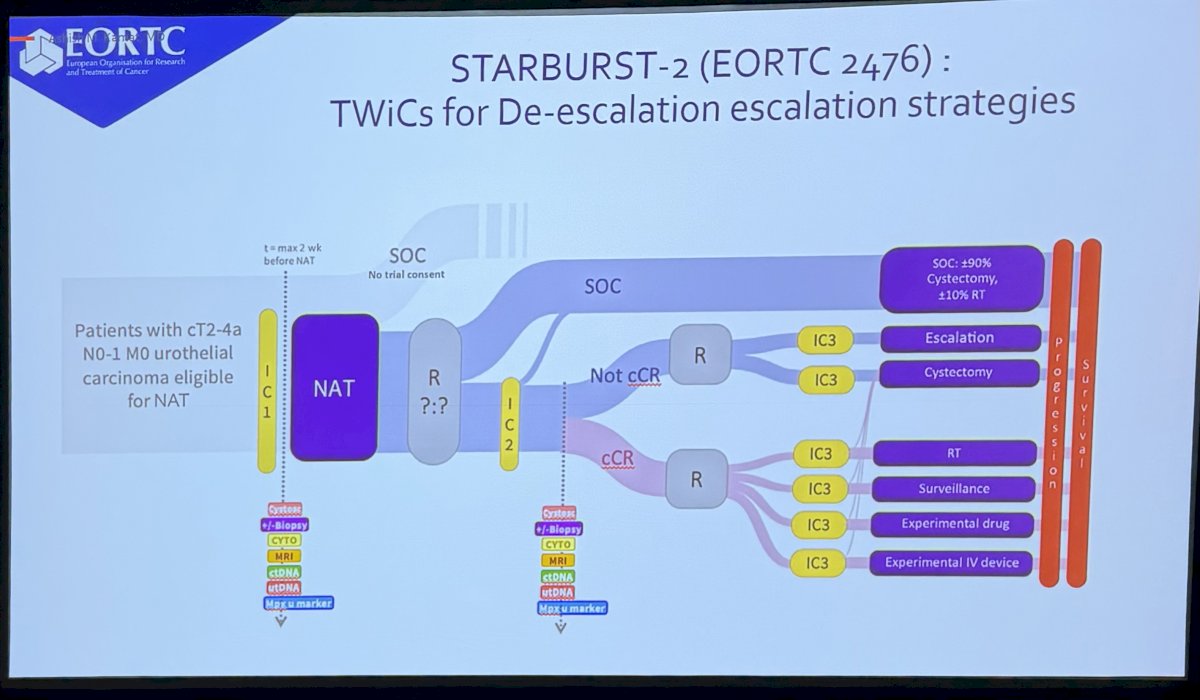
Furthermore, Dr. Kamat highlighted two ongoing bladder-sparing trials evaluating EV plus pembrolizumab in MIBC. EV-209 is enrolling cystectomy-eligible patients and uses MRI, cystoscopy, and cytology to assess clinical complete response after treatment. Patients achieving a cCR continue surveillance, whereas those without a cCR proceed to definitive local therapy. The primary endpoints include cCR rate and 2-year bladder-intact event-free survival. In parallel, EV-309 is evaluating patients who are either ineligible for or refuse cystectomy, randomizing them to EV plus pembrolizumab or chemoradiotherapy, with bladder-intact event-free survival and overall survival as key endpoints. Together, these studies aim to determine whether highly active systemic therapy can safely facilitate bladder preservation in selected patients with MIBC.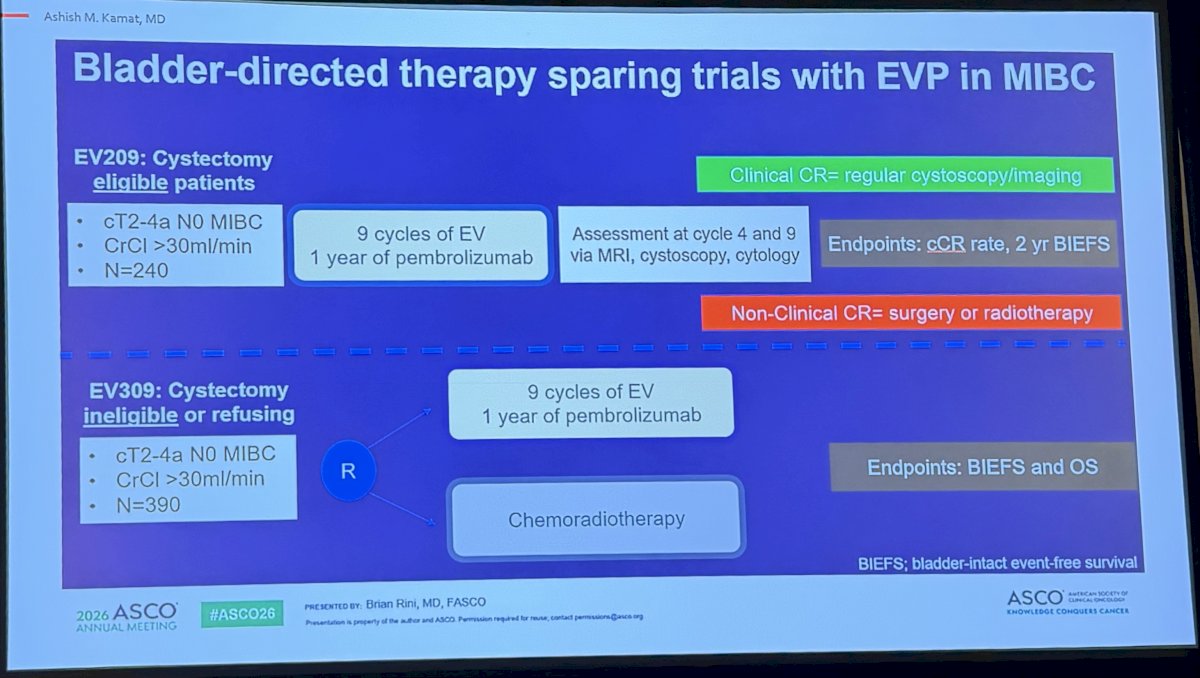
Lastly, Dr. Kamat discussed results from the CISTO study, which evaluated patient-reported outcomes following bladder sparing therapy and radical cystectomy. He noted that measures of physical functioning, global health, and overall quality of life were generally reassuring, and stated that he frequently uses these data when counseling patients about treatment options. At the same time, he emphasized that quality-of-life discussions must also consider treatment-related toxicities such as rash, neuropathy, and hyperglycemia, particularly as EV-based bladder preservation strategies move into clinical practice and longer-term toxicity data continue to mature.7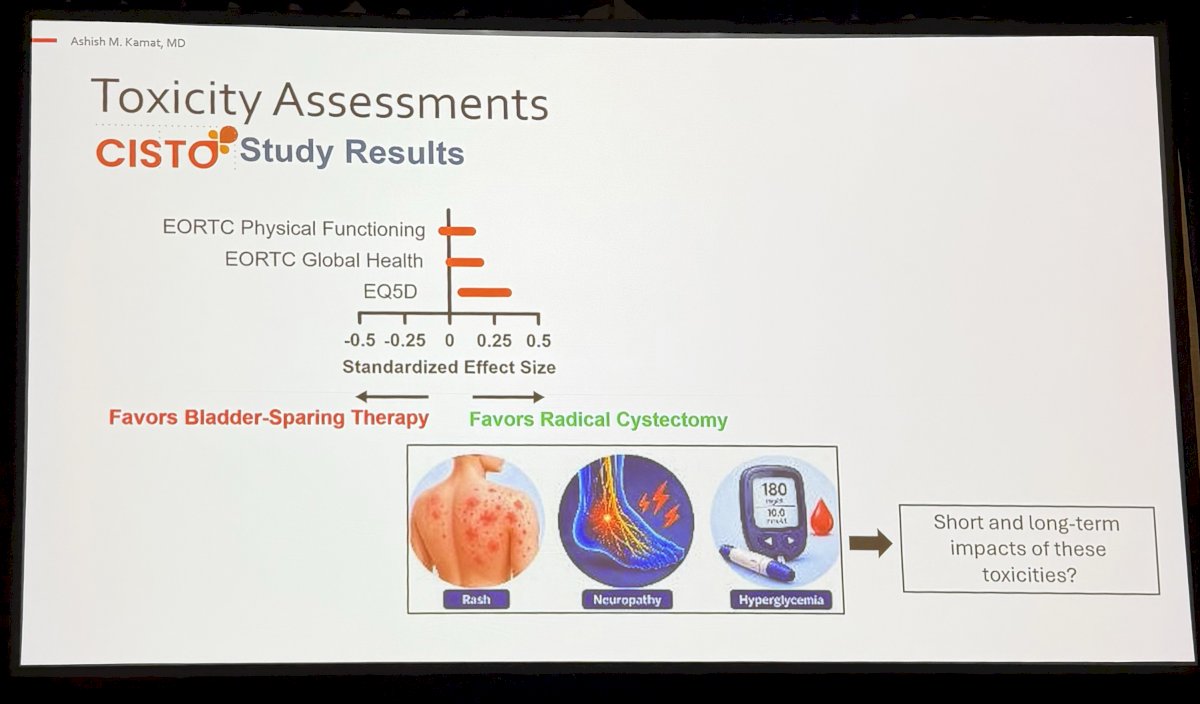
Dr. Kamat emphasized that patients considering bladder preservation must understand exactly what is being offered. Radical cystectomy involves a single operation and recovery period, but carries a 90-day mortality risk of approximately 3%, grade ≥3 surgical complications in 36.2% of patients, and the lifelong consequences of urinary diversion. In contrast, bladder preservation with EV plus pembrolizumab avoids immediate surgery but requires a median of 10.2 months of systemic therapy, with grade ≥3 adverse events occurring in 75.7% of patients, serious adverse events in 63.3%, treatment discontinuation due to toxicity in 35.2%, and common toxicities including skin reactions and peripheral neuropathy. Patients must also commit to lifelong surveillance with repeated cystoscopies. His key message was that bladder preservation does not remove treatment; it replaces a finite surgical intervention with a prolonged treatment strategy that carries its own risks, toxicities, and uncertainties.
Dr. Kamat concluded:
- EV plus pembrolizumab followed by radical cystectomy currently provides the strongest evidence for improving survival in MIBC.
- The benefits observed in EV-304 and EV-303 were achieved with a treatment paradigm that included surgical consolidation.
- Systemic therapy shrinks the tumor, but surgery remains the component intended to provide definitive local control and cure.
- Based on current evidence, the surgical phase should not be omitted outside of a clinical trial.
- Bladder preservation strategies are promising but remain investigational and require prospective validation.
- Patients should be informed of both the potential benefits and trade-offs of bladder preservation and radical cystectomy.
- Future studies incorporating ctDNA, utDNA, imaging, and clinical response assessment may help identify patients who can safely avoid cystectomy.
- Until those data are available, radical cystectomy with pelvic lymph node dissection remains the standard consolidative approach after perioperative EV plus pembrolizumab.
Dr. Porten began by presenting the case of a 72-year-old woman who presented with gross hematuria and was found to have a 3 cm anterior bladder tumor. TURBT demonstrated high-grade muscle-invasive urothelial carcinoma with lymphovascular invasion, while random bladder biopsies were negative for malignancy. Staging studies showed no evidence of metastatic disease or lymphadenopathy, and the patient had several features relevant to treatment selection, including a GFR of 47, prior abdominal surgery with small bowel resection, and mild hearing loss. The case served as the foundation for a discussion on treatment decision-making and bladder preservation strategies in MIBC.
Dr. Porten reviewed the limitations of current response assessment tools following neoadjuvant therapy. While multiparametric MRI demonstrates excellent performance before treatment, its accuracy declines substantially after neoadjuvant therapy, with a sensitivity of only 65% and specificity of 78% for detecting residual muscle-invasive disease. She highlighted that many missed cases consisted of microscopic residual tumor foci that were not detected by imaging. Similarly, combining cystoscopy, tumor site evaluation, and random biopsies proved insufficient, with a negative predictive value of only 48% for predicting pT0 disease at cystectomy. As she pointed out, patients with a negative endoscopic assessment were nearly as likely to harbor residual disease as they were to have achieved a true pathologic complete response, underscoring why MRI and repeat TURBT cannot currently be relied upon in isolation when considering omission of cystectomy.
Dr. Porten emphasized that treatment selection in MIBC must remain centered on the patient's values, preferences, and quality of life. She encouraged the use of "thought experiments," asking patients to imagine themselves living with the potential consequences of each treatment approach and relating those outcomes to aspects of their daily lives that matter most to them. This requires asking many questions and engaging a multidisciplinary team to ensure patients fully understand their options. She noted that radical cystectomy is a definitive treatment that asks a great deal of patients upfront, with important long-term implications, whereas bladder preservation requires ongoing surveillance, repeated procedures, and the possibility of salvage therapies. Ultimately, she acknowledged that this is a very difficult decision for patients, particularly when considering bladder preservation outside the context of a clinical trial.Dr. Porten concluded by returning to her original case, which initially appeared to represent an ideal candidate for bladder preservation. Following treatment, the patient had a complete TURBT with negative biopsies, normal cytology, negative ctDNA, negative cross-sectional imaging, and a normal MRI. Based on these reassuring findings, she underwent surveillance while continuing pembrolizumab. Six months later, cystoscopy identified a 2 cm recurrent tumor on the right anterior bladder wall, despite repeat staging studies again showing no evidence of disease elsewhere. Pathology demonstrated high-grade T1 disease, prompting radical cystectomy with pelvic lymph node dissection and ileal conduit diversion. Final pathology revealed ypT1N1M0 disease, including one positive lymph node, highlighting the potential limitations of current response assessment tools and the risk of occult residual disease despite negative imaging, cystoscopy, and ctDNA findings.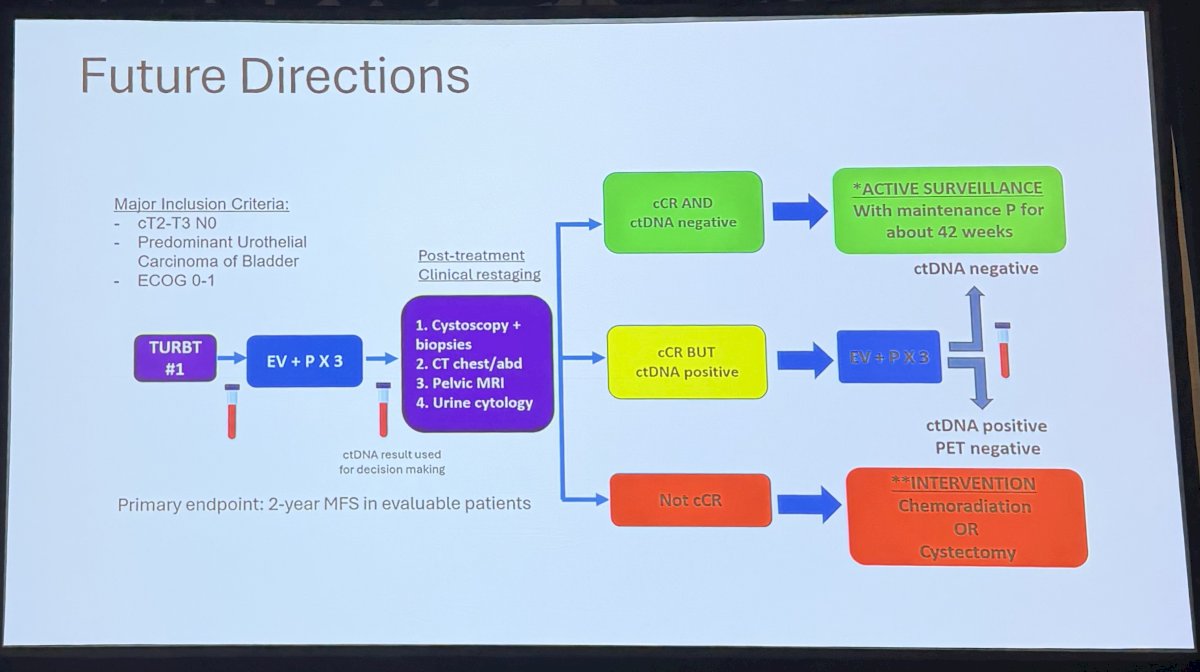
Dr. Porten concluded by outlining a future response-adapted bladder preservation strategy (RETAIN-3) that integrates both clinical complete response and ctDNA status. Following TURBT and neoadjuvant EV plus pembrolizumab, patients undergo comprehensive restaging with cystoscopy and biopsies, cross-sectional imaging, pelvic MRI, and urine cytology. Patients achieving both a cCR and ctDNA negativity may proceed with active surveillance and maintenance pembrolizumab, whereas those with persistent ctDNA positivity despite a cCR could receive additional systemic therapy and closer monitoring. Patients without a cCR would proceed to definitive local treatment with chemoradiation or radical cystectomy. This approach reflects a growing effort to combine clinical, radiographic, and molecular response assessments to better select candidates for bladder preservation while minimizing the risk of undertreating residual disease.
Jon Treffert, a bladder cancer patient advocate, began by sharing his own journey with muscle invasive bladder cancer. He described the rapid sequence of events that followed several weeks of dark urine, from initial imaging and cystoscopy to TURBT, staging studies, and ultimately a diagnosis of cT3N2M0 urothelial carcinoma with involvement of four pelvic lymph nodes. By walking the audience through his personal timeline, he highlighted the uncertainty, complexity, and urgency that many patients experience following a bladder cancer diagnosis, setting the stage for a broader discussion on patient perspectives and shared decision-making. He initially opted for bladder preservation with TMT and ended up being treated with EV + Pembrolizumab.
Jon emphasized the importance of connecting an individual patient's experience to the broader bladder cancer community. Following his diagnosis, he became actively involved with BCAN, online patient communities, social media platforms, educational videos, and advocacy initiatives. He encouraged patients to do their own research, seek information from multiple sources, and engage with others who have faced similar decisions. By moving from an "N=1" experience to learning from the experiences of many others, patients can become better informed, more empowered participants in their care, particularly when navigating complex decisions such as whether cystectomy can be safely avoided after EV plus pembrolizumab.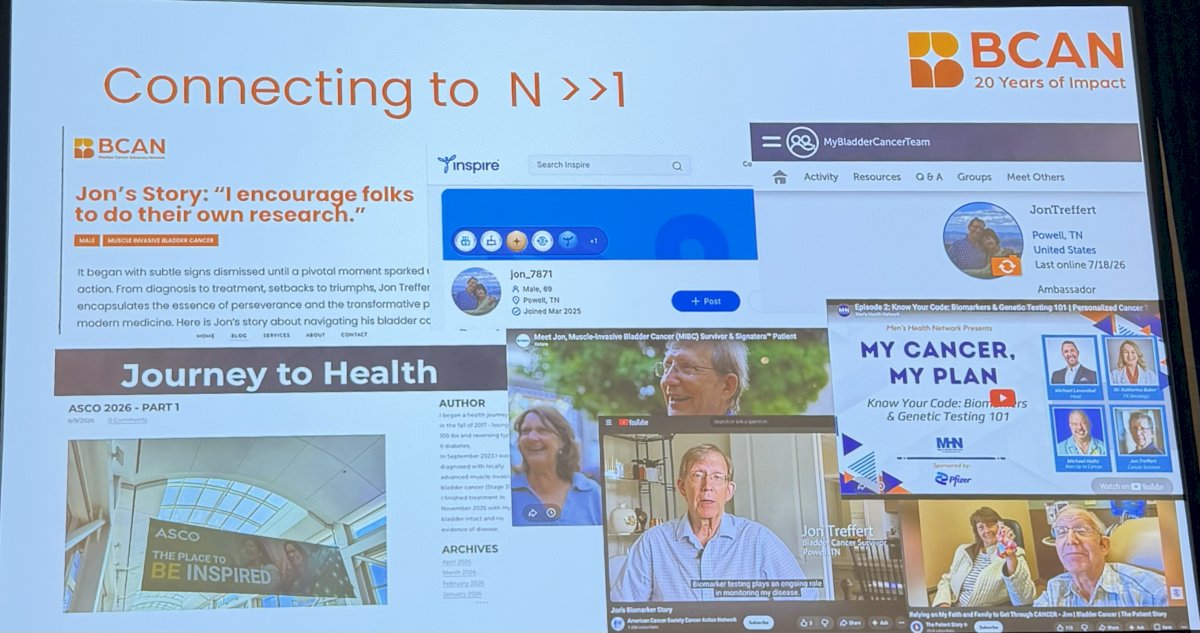
Moreover, Jon has created and leads the EVP First Community, a patient-driven group focused on individuals receiving EV plus pembrolizumab and exploring bladder preservation strategies. The community provides a forum for patients to share experiences related to treatment response, side effects, surveillance, and quality of life, while also helping patients connect with others facing similar decisions. He noted that the group serves not only as a source of support but also as a platform for collecting patient-reported experiences that may help inform and improve care for the broader MIBC community.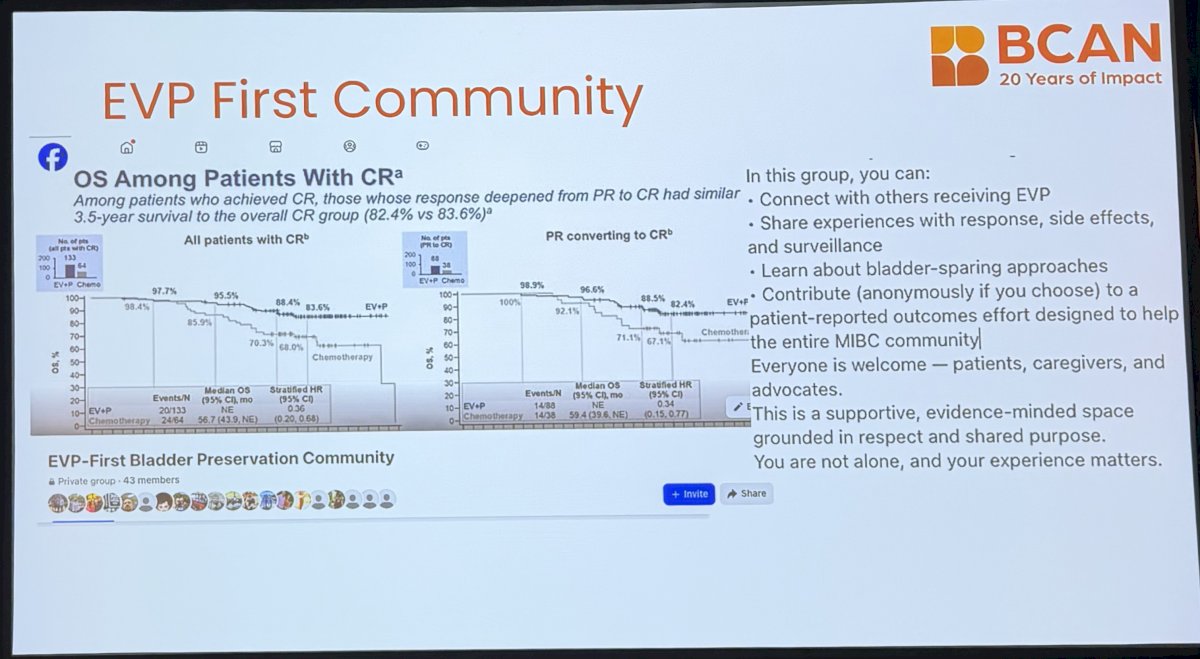
Lastly, Jon outlined several next steps for the bladder preservation community. He acknowledged that while a subset of patients achieve deep and durable responses to EV plus pembrolizumab, there is currently no level 1 evidence supporting surveillance alone after a clinical complete response. He advocated for enrolling eligible patients in clinical trials with bladder-sparing arms, expanding the EVP First Bladder Preservation Community to collect real-world patient experiences, and ensuring that patients have access to current data when making treatment decisions. Until ongoing studies report their results, he proposed a structured pathway in which clinicians document a recommendation for consolidative therapy, while selected patients who choose surveillance can continue treatment and monitoring within protocols aligned with ongoing bladder preservation studies such as EV-209.
Presented by:
- Jonathan Rosenberg, MD, Chief, Genitourinary Oncology Service, Division of Solid Tumor Oncology, Enno W. Ercklentz Chair, Memorial Sloan Kettering Cancer Center, New York, NY
- Ashish Kamat, MD, MBBS, Professor of Urology and Wayne B. Duddleston Professor of Cancer Research, University of Texas, MD Anderson Cancer Center, Houston, TX
- Sima P. Porten, MD, MPH, Urologic Oncologist, Associate Professor, Department of Urology Education and Training Liaison, Prostate Cancer Program, Helen Diller Family Comprehensive Cancer Center, University of California, San Francisco, CA
- Jon Treffert, BCAN Patient Advocate
- Vadim Koshkin, MD, University of California San Francisco
- Joshua J. Meeks, MD, PhD, Northwestern Feinberg School of Medicine
Written by: Julian Chavarriaga, MD, Clinical Assistant Professor, Urologic Oncologist, Department of Urology at Penn State Health @chavarriagaj on Twitter during The Bladder Cancer Advocacy Network (BCAN) Bladder Cancer Think Tank 2026 held in Denver, Colorado, United States, between July 29th and July 31st.
References:
- Powles T, Valderrama BP, Gupta S, Bedke J, Kikuchi E, Hoffman-Censits J, Iyer G, Vulsteke C, Park SH, Shin SJ, Castellano D, Fornarini G, Li JR, Gümüş M, Mar N, Loriot Y, Fléchon A, Duran I, Drakaki A, Narayanan S, Yu X, Gorla S, Homet Moreno B, van der Heijden MS; EV-302 Trial Investigators. Enfortumab Vedotin and Pembrolizumab in Untreated Advanced Urothelial Cancer. N Engl J Med. 2024 Mar 7;390(10):875-888. doi: 10.1056/NEJMoa2312117. PMID: 38446675.
- van der Heijden MS, Sonpavde G, Powles T, Necchi A, Burotto M, Schenker M, Sade JP, Bamias A, Beuzeboc P, Bedke J, Oldenburg J, Chatta G, Ürün Y, Ye D, He Z, Valderrama BP, Ku JH, Tomita Y, Filian J, Wang L, Purcea D, Patel MY, Nasroulah F, Galsky MD; CheckMate 901 Trial Investigators. Nivolumab plus Gemcitabine-Cisplatin in Advanced Urothelial Carcinoma. N Engl J Med. 2023 Nov 9;389(19):1778-1789. doi: 10.1056/NEJMoa2309863. Epub 2023 Oct 22. PMID: 37870949; PMCID: PMC12314471.
- Vulsteke C, Adra N, Danchaivijitr P, Sabadash M, Rodriguez-Vida A, Zhang Z, Atduev V, Göger YE, Rausch S, Kang SH, Loriot Y, Bedke J, Galsky MD, O'Donnell PH, von Amsberg G, Alimohamed N, Sulimka G, Gupta S, Paramonov V, Nakane K, Mihm M, Meng C, Huang CD, Ramamurthy C, Homet Moreno B, Ullén A; KEYNOTE-905/EV-303 Investigators. Perioperative Enfortumab Vedotin and Pembrolizumab in Bladder Cancer. N Engl J Med. 2026 Apr 2;394(13):1257-1269. doi: 10.1056/NEJMoa2511674. Epub 2026 Feb 18. PMID: 41707170.
- Galsky MD, Valderrama BP, Maruzzo M, Font A, Ciuleanu T, Chatzkel J, Koie T, Hoimes CJ, Puente J, Zakharia Y, Rosenbaum E, Boehm K, Loriot Y, Bedke J, Powles TB, Necchi A, Wiechno P, Álvarez-Fernández C, Kim TH, Oliveira N, Flaig TW, Wirtz HS, Mihm M, Huang Q, Rogiers A, Homet Moreno B, Gómez de Liaño A; KEYNOTE-B15/EV-304 Investigators. Enfortumab Vedotin and Pembrolizumab in Cisplatin-Eligible Bladder Cancer. N Engl J Med. 2026 Jul 23;395(4):338-348. doi: 10.1056/NEJMoa2601486. PMID: 42485627.
- Donat SM, Tin AL, Vickers AJ, Herr H. Neoadjuvant Chemotherapy With Transurethral Resection for Bladder Preservation: 15-Year Follow-Up of the Retained Bladder. J Urol. 2025 Dec;214(6):591-600. doi: 10.1097/JU.0000000000004704. Epub 2025 Aug 6. PMID: 40768675; PMCID: PMC13296379.
- Makaroff LE, Filicevas A, Boldon S, Hensley P, Black PC, Chisolm S, Demkiw S, Fernández MI, Sugimoto M, Jensen BT, Witjes WPJ, Bagshaw K, Cirefice-Funk L, Knight A, Kamat AM. Patient and Carer Experiences with Bladder Cancer: Results from a Global Survey in 45 Countries. Eur Urol. 2023 Aug;84(2):248-251. doi: 10.1016/j.eururo.2023.04.034. Epub 2023 May 24. PMID: 37236857.
- Gore JL, Wolff EM, Nash MG, Comstock BA, Gilbert SM, Chang SS, Chisolm S, MacLean DB, Wright JL, Kates MR, Pohar KS, Guzzo TJ, Bivalacqua TJ, Nepple KG, Montgomery JS, Scarpato KR, Woldu SL, Master VA, Chen DYT, Mossanen M, Daneshmand S, O'Neil BB, Tyson MD, Westerman ME, Kamat AM, Mansour AM, Chamie K, Riggs SB, Kukreja JB, Modi PK, Garg T, Peyton CC, Nix JW, Dickstein R, Gadzinski AJ, Sankin A, Shore ND, Lane BR, Bassett JC, Patel S, Morris DS, Macleod LC, Lee EK, Ritch CR, Follmer KM, Lee JR, Kim SM, Kessler LG, Smith AB; CISTO Collaborative group. Twelve-Month Results From the CISTO Study Comparing Radical Cystectomy Versus Bladder-Sparing Therapy for Recurrent High-Grade Non-Muscle-Invasive Bladder Cancer. J Clin Oncol. 2026 Feb;44(4):274-285. doi: 10.1200/JCO-25-01324. Epub 2025 Dec 15. PMID: 41397208; PMCID: PMC12707586.