

(UroToday.com) The 67th American Society for Radiation Oncology (ASTRO) annual meeting held in San Francisco, was host to the ROBIN Oligometastasis (OligoMET) Center: Using Biomarker Correlates from a Prostate Cancer Clinical Trial to Improve Future Outcomes session. Dr. Phuoc Tran presented the Radiation Oncology-Biology Integration Network (ROBIN) Oligometastasis Center.
Dr. Tran highlighted the strategic importance of the ROBIN program, noting that radiotherapy remains a cornerstone of modern oncology, delivered to over half of all cancer patients either with curative or palliative intent. The U54 ROBIN consortium is a first-of-its-kind effort to study the biological effects of radiation before, during, and after treatment, using small study cohorts for detailed molecular characterization. He emphasized that this initiative represents a unique opportunity to advance the field of radiation oncology and address critical unmet needs.
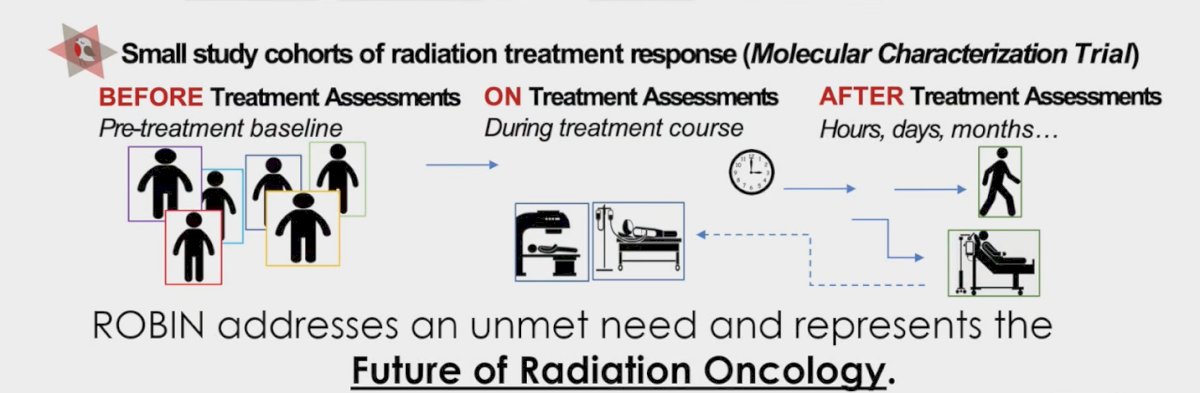
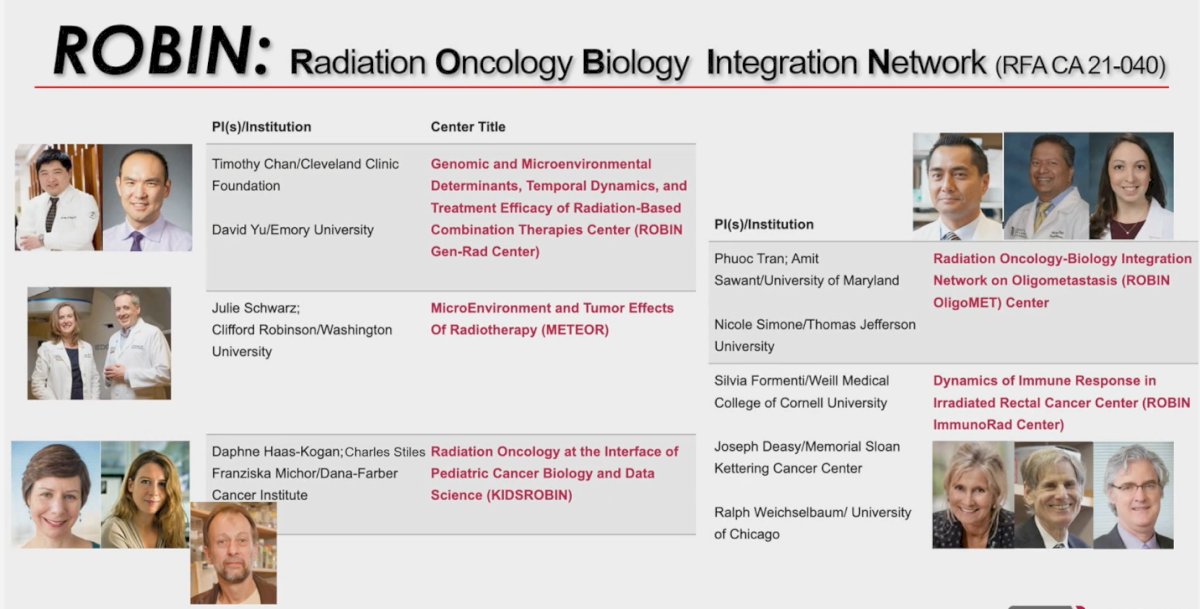
ROBIN now comprises five centers across the U.S. He leads the ROBIN OligoMET Center at Johns Hopkins, focused on oligometastatic disease. Other centers include the GenRad Center (Cleveland Clinic/Emory), the METEOR Center (Washington University), KIDSROBIN (Dana-Farber/Harvard), and the ImmunoRad Center (Weill Cornell/MSK/Chicago). The newest additions are the METEOR and KIDSROBIN centers, each aimed at expanding biological insights into radiotherapy across diverse patient populations.
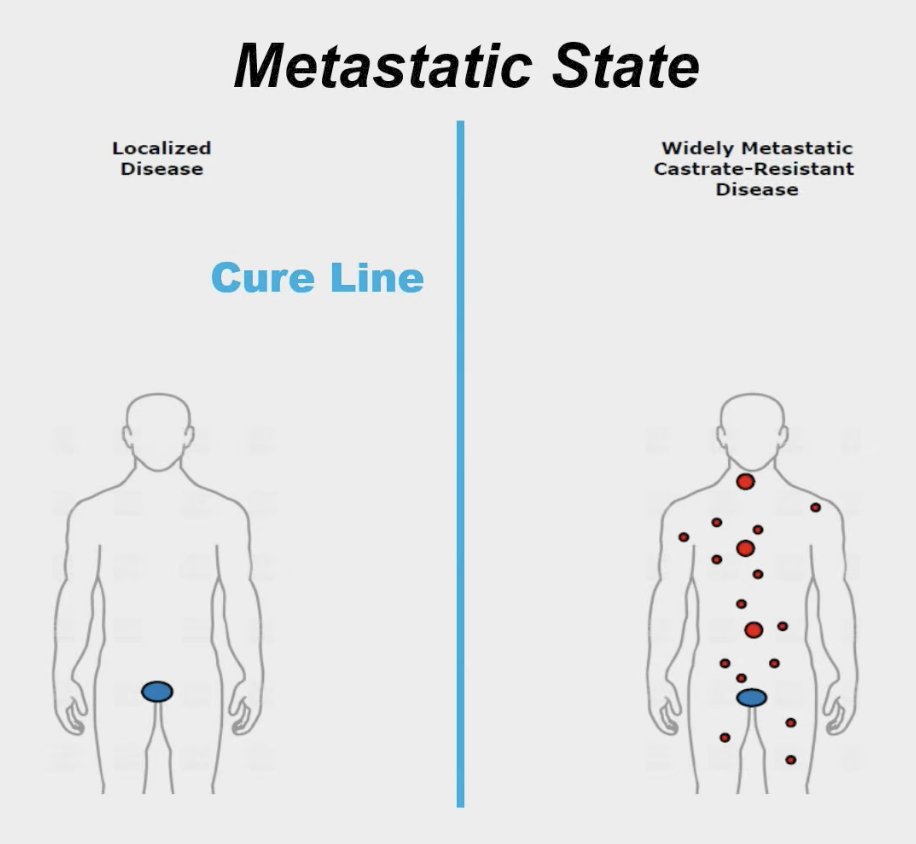
Dr. Tran returned to the ROBIN OligoMET Center’s mission: to dissect how primary tumors and macro-/micro-metastases biologically respond to consolidation SABR, prioritize actionable mechanisms/targets, and ultimately predict who benefits. He contrasted this with the traditional “cure line” view curable localized disease on one side (via surgery or RT) and, once beyond that line, incurable metastatic disease irrespective of burden, arguing that modern oligometastatic research aims to challenge and refine that paradigm.
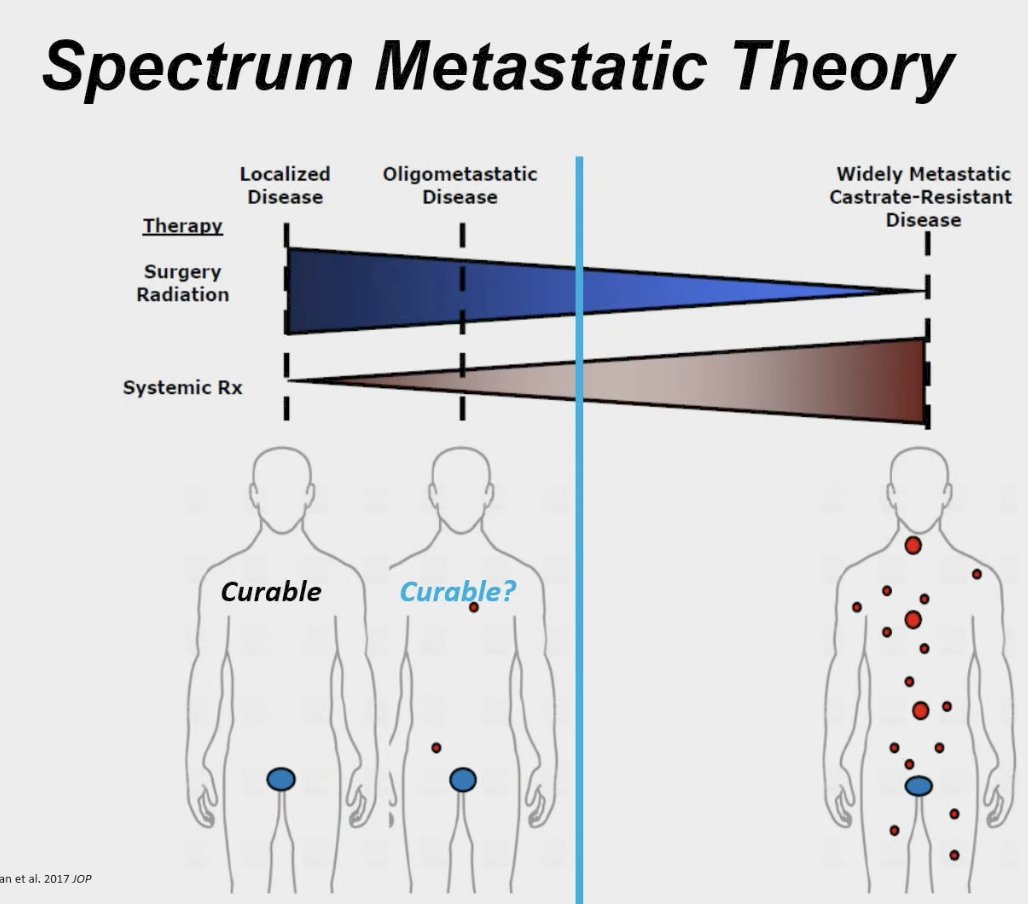
The concept of the oligometastatic state was first proposed by Drs. Samuel Hellman and Ralph Weichselbaum, in their ASCO Karnofsky lectures in 1995 and 2018. Their hypothesis describes an intermediate state of cancer spread, positioned between localized disease and widespread metastases, in which local therapies such as surgery or SABR can meaningfully alter the disease course.
Dr. Tran presented the spectrum metastatic theory as a refinement of the original oligometastatic hypothesis. He emphasized that while local therapies such as surgery or SABR do not alter the natural history of widely metastatic disease, patients with a sufficiently low metastatic burden may benefit, with the potential to meaningfully change outcomes. Identifying this subset remains central to advancing the role of local therapy in metastatic prostate cancer.
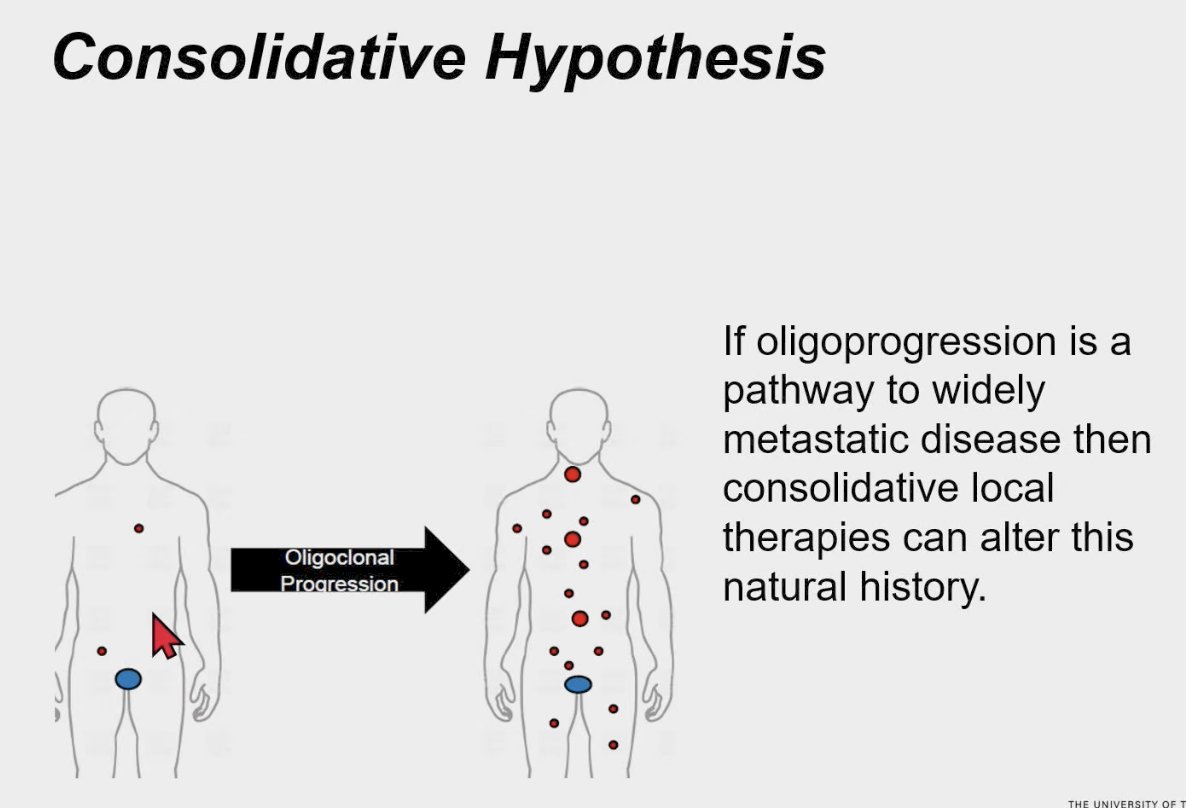
Dr. Tran moved on to discuss the consolidative hypothesis, noting that metastatic disease rarely arises de novo but rather evolves from expanding oligoclonal populations. If oligoprogression represents a pathway toward widespread metastases, then consolidative local therapies such as prostate-directed RT or SABR to oligometastatic sites may alter the natural history of disease by eliminating resistant clones before systemic dissemination.
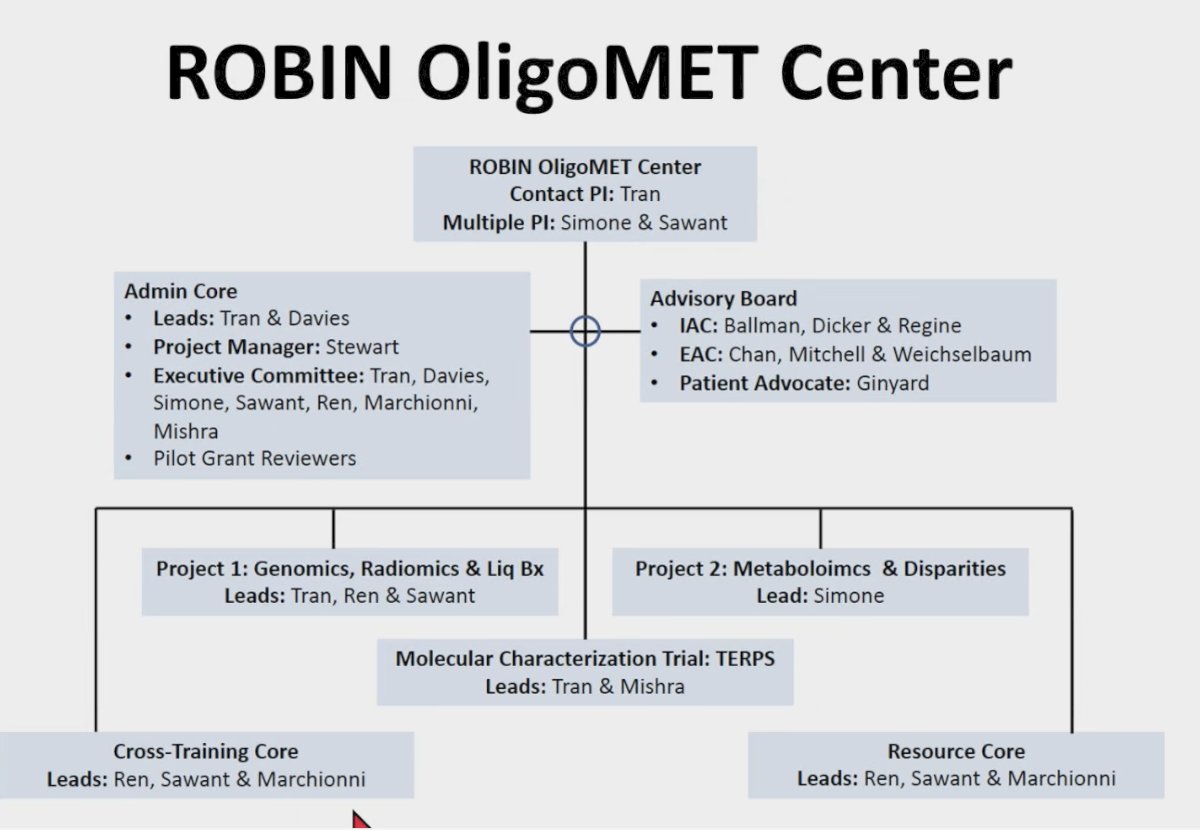
The ROBIN OligoMET Center includes an administrative core and an advisory board with leaders in the field as well as a patient advocate, ensuring both scientific rigor and patient-centered perspectives. Two major projects drive the research focus: one dedicated to genomics, radiomics, and liquid biopsy, and another centered-on metabolomics and disparities. In parallel, the TERPS molecular characterization trial, led by Drs. Tran and Mishra provide a translational platform to study treatment response in real time. Supporting this structure are a cross-training core and a resource core, both aimed at fostering collaboration, education, and data sharing.
Each U54 program is required to be anchored to a molecular characterization trial, and for the ROBIN OligoMET Center, this is being conducted within the context of a randomized phase 2 trial of oligometastatic prostate cancer treated with SABR. The trial integrates genomics, radiomics, circulating tumor cell liquid biopsies, plasma proteomics, radiomics, and metabolomics to define molecular features of treatment response.
- Project 1 aims to identify intrinsic and tumor microenvironment plasticity mechanisms modulated by SABR that influence metastatic proclivities, with a focus on epithelial-mesenchymal plasticity and the biological basis of oligometastatic niches versus widespread dissemination.
- Project 2 investigates how ethnic background affects immunity-metabolism interactions in the response to radiotherapy, incorporating lipidomics, TCR immune profiling, and GI microbiome analyses with an emphasis on cancer disparities research.
While the trial is ongoing, the team is actively profiling patients for both projects and expects to have interim data ready for presentation at the next ASTRO meeting.
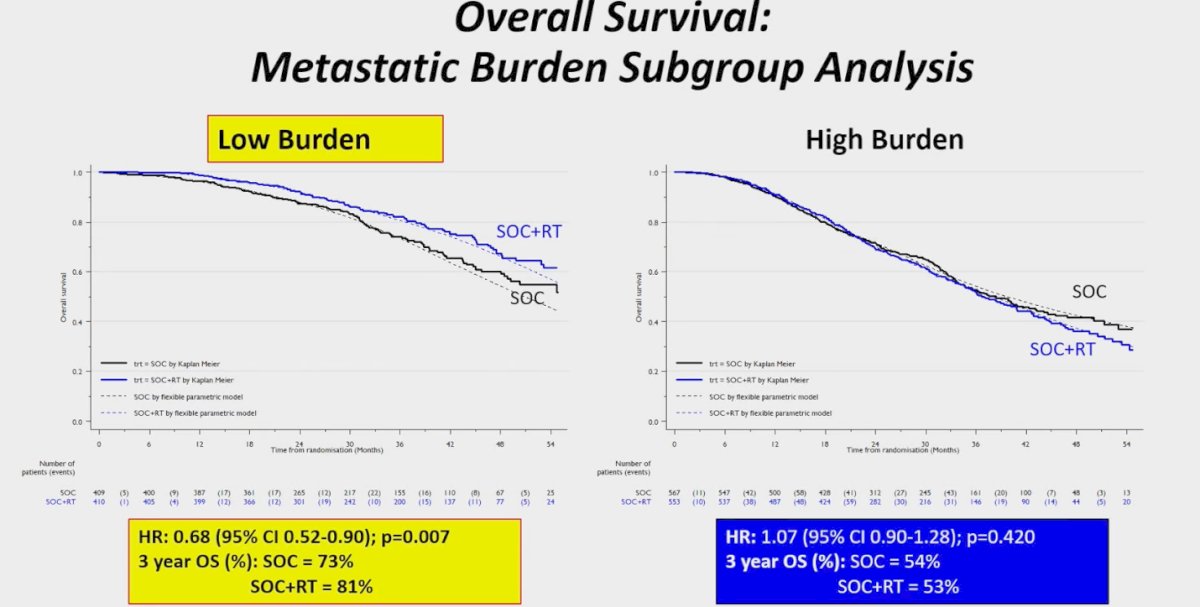
Dr. Tran highlighted that based on prior trials, including STAMPEDE Arm H, patients with low-volume metastatic hormone-sensitive prostate cancer (mHSPC) derive a significant overall survival benefit when treated with prostate radiotherapy. This represents Level I evidence and provides a clear survival advantage, reinforcing the role of local therapy in appropriately selected patients.1
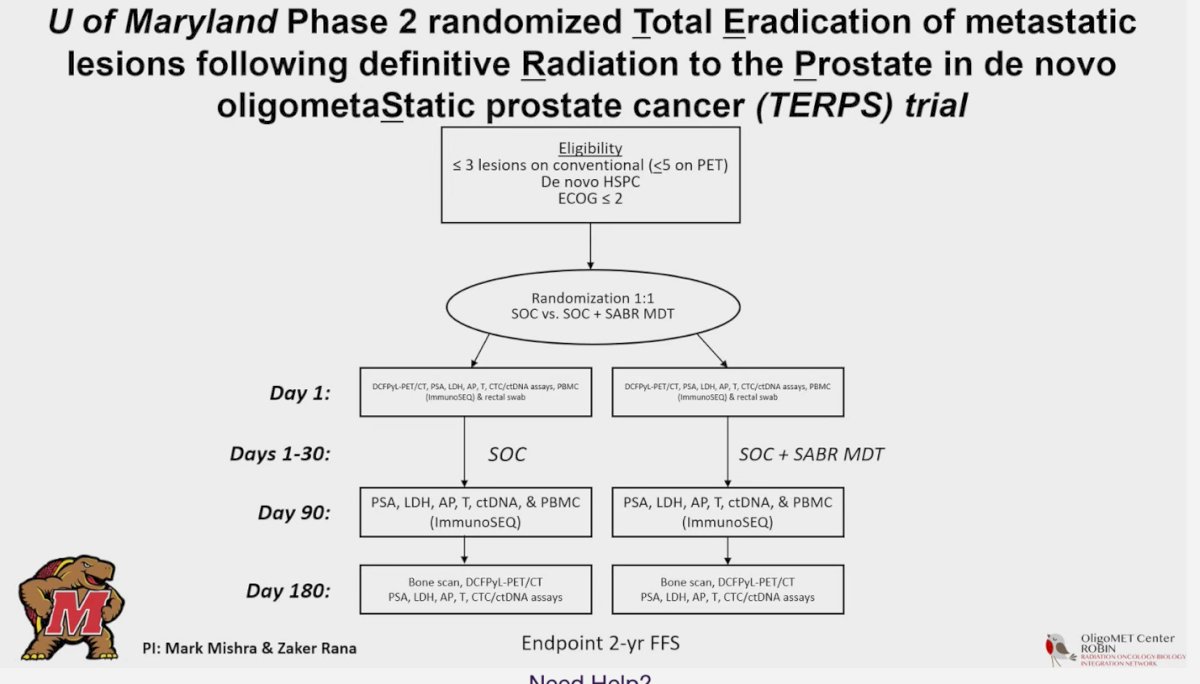
Dr Tran highlighted that the Phase 2 TERPS trial (Total Eradication of metastatic lesions following definitive Radiation to the Prostate in de novo oligometastatic prostate cancer) is currently underway. This randomized study enrolls patients with ≤3 lesions on conventional imaging (≤5 on PET) and de novo HSPC (ECOG ≤2). Patients are randomized 1:1 to standard of care (SOC) versus SOC plus SABR to all metastatic sites (MDT). The trial design includes serial assessments with imaging (bone scan, DCFPyL-PET/CT), PSA, LDH, alkaline phosphatase, testosterone, ctDNA, and immunologic profiling at baseline, 90 days, and 180 days. The primary endpoint is 2-year failure-free survival, aiming to determine whether adding consolidative SABR to metastatic sites in addition to prostate-directed therapy improves outcomes. The study design is shown below:
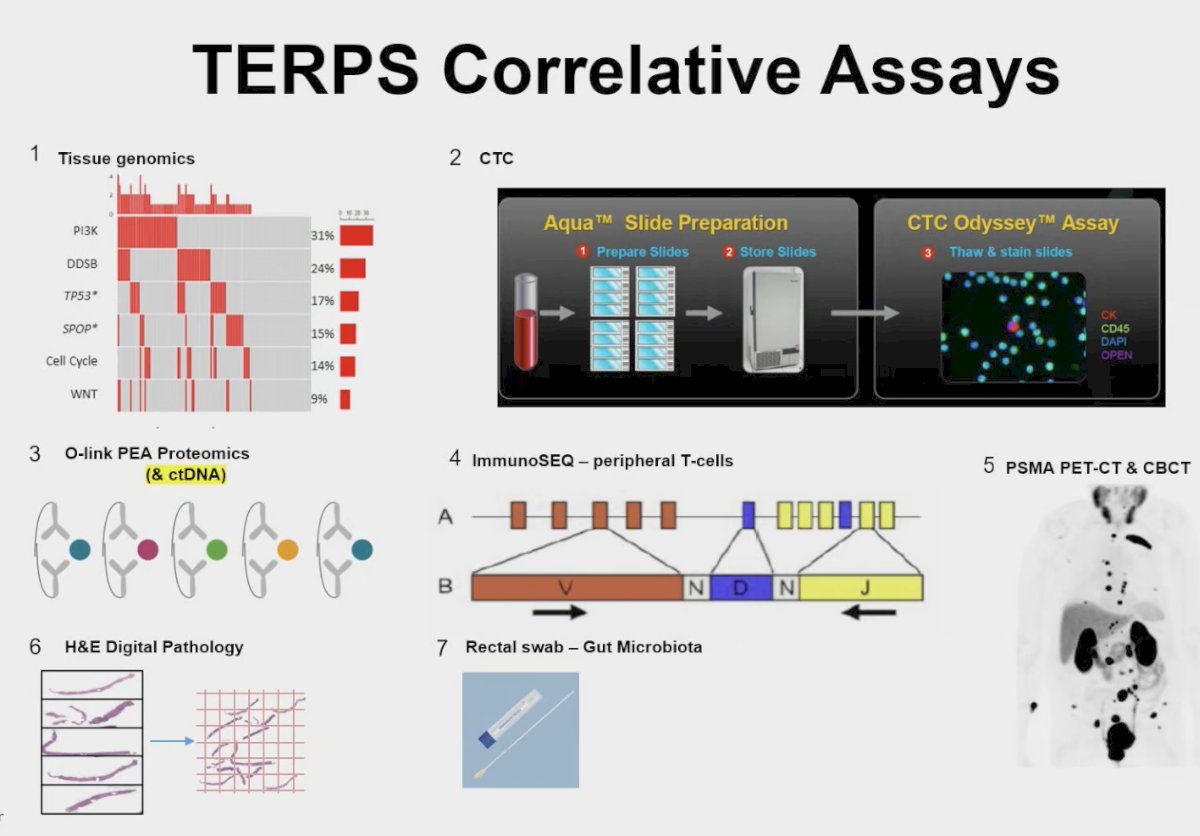
Moreover, the TERPS trial is a novel, first-in-human opportunity to explore the interplay between micrometastatic disease and primary prostate cancer macrometastases following consolidation of macroscopic disease with radiation. The study aims to provide a potential curative paradigm for patients with de novo oligometastatic prostate cancer. Through correlative analyses, including tissue, liquid, and radiographic studies conducted before, during, and after treatment, the trial seeks to better understand the underlying biology of disease control. Advanced technologies are being employed, such as ctDNA assays, digital pathology, CTC analysis, tissue genomics, immunoSEQ, gut microbiota profiling, and PSMA PET imaging, as illustrated below.
Dr. Tran closed by highlighting the ongoing progress of the MCT-TERPS trial. Now in year 3.5, the trial has screened nearly 100 patients and enrolled 55, with activations at multiple major centers (UCSD, Virginia Bon Secours, TJU, and UPMC) and two more pending (University of Kansas and MDACC). Importantly, the trial is still enrolling and has no efficacy data to present yet, but it represents an exciting first-in-man opportunity to understand the interplay between micro- and macro-metastatic prostate cancer following consolidation therapy.
Dr. Tran also reviewed the growing body of evidence for SABR MDT in the setting of metachronous oligo-mCSPC, highlighting multiple randomized trials. These include SABR-COMET, which suggested a potential overall survival benefit and even cure in select patients, STOMP showing delay and time off ADT, ORIOLE demonstrating delay in next metastasis, EXTEND showing improved eugonadal progression-free survival, and RADIOSA confirming gains in radiographic PFS. Together, these trials build the case for MDT as a clinically meaningful option in men with oligo-recurrent prostate cancer.
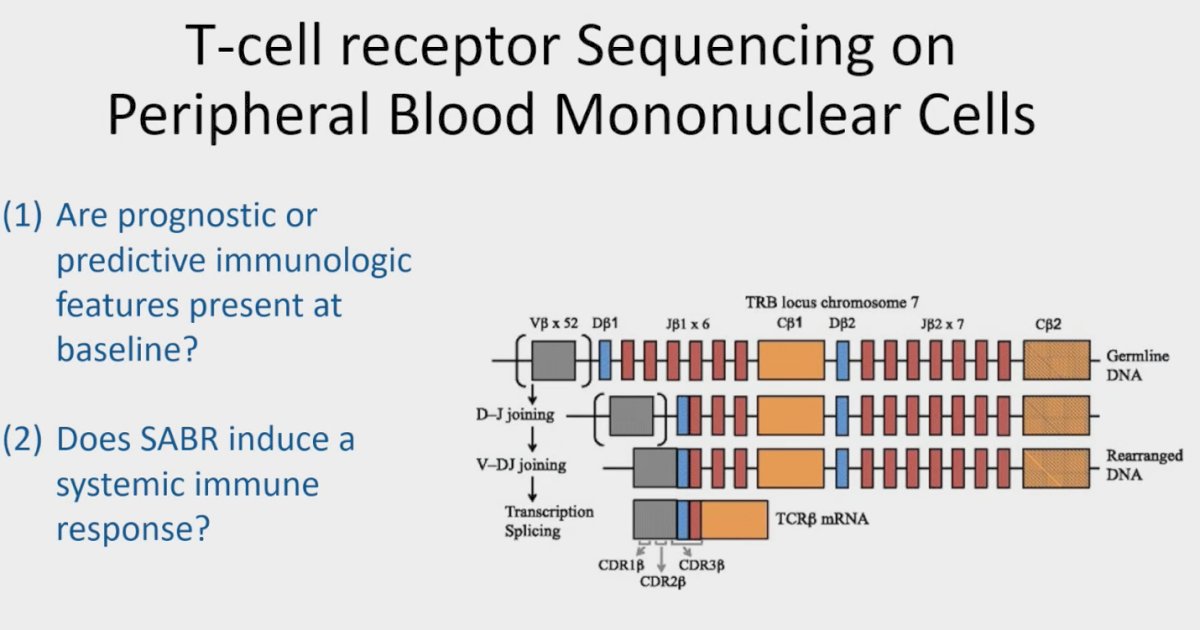
Moreover, Dr. Tran highlighted the importance of T-cell receptor (TCR) sequencing on peripheral blood mononuclear cells. He explained that each T cell has a unique DNA sequence, essentially like a barcode, which can be tracked to identify clonotypes. By following these clonotypes over time, researchers can understand whether prognostic or predictive immune features are present at baseline, and whether SABR induces a systemic immune response. This approach allows investigators to map the dynamics of T-cell populations and evaluate how radiation may shape immune surveillance in oligometastatic prostate cancer.
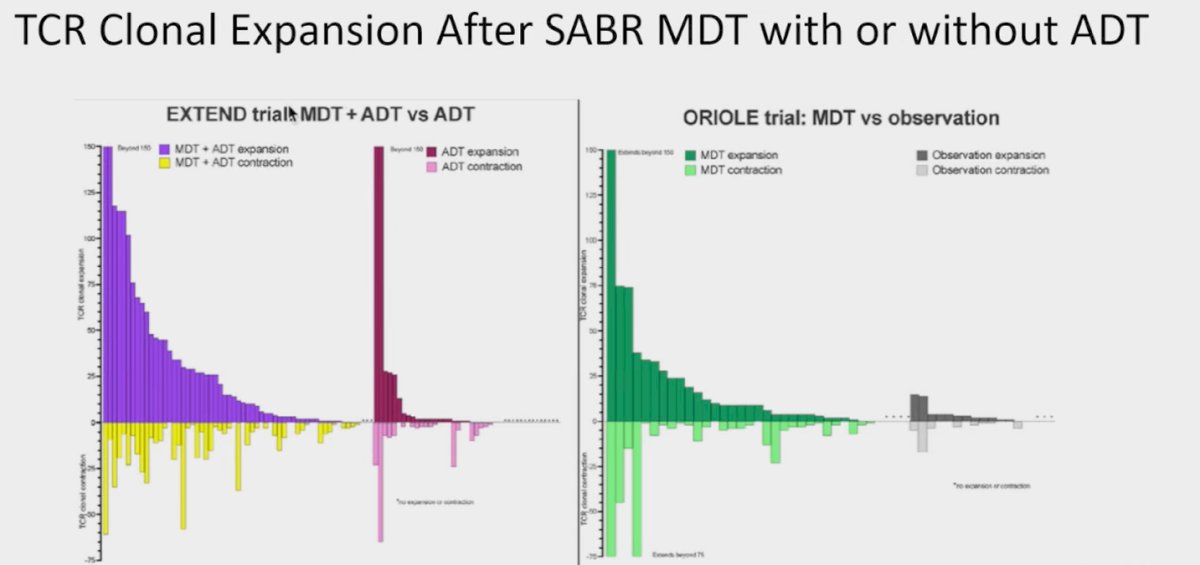
Data from the EXTEND and ORIOLE trials demonstrate that SABR-MDT induces significant T-cell clonal expansion compared to ADT alone or observation, highlighting its role as an immune-modulating therapy. These findings support the concept that radiation can trigger systemic immune responses, potentially contributing to durable disease control in the oligometastatic setting.2
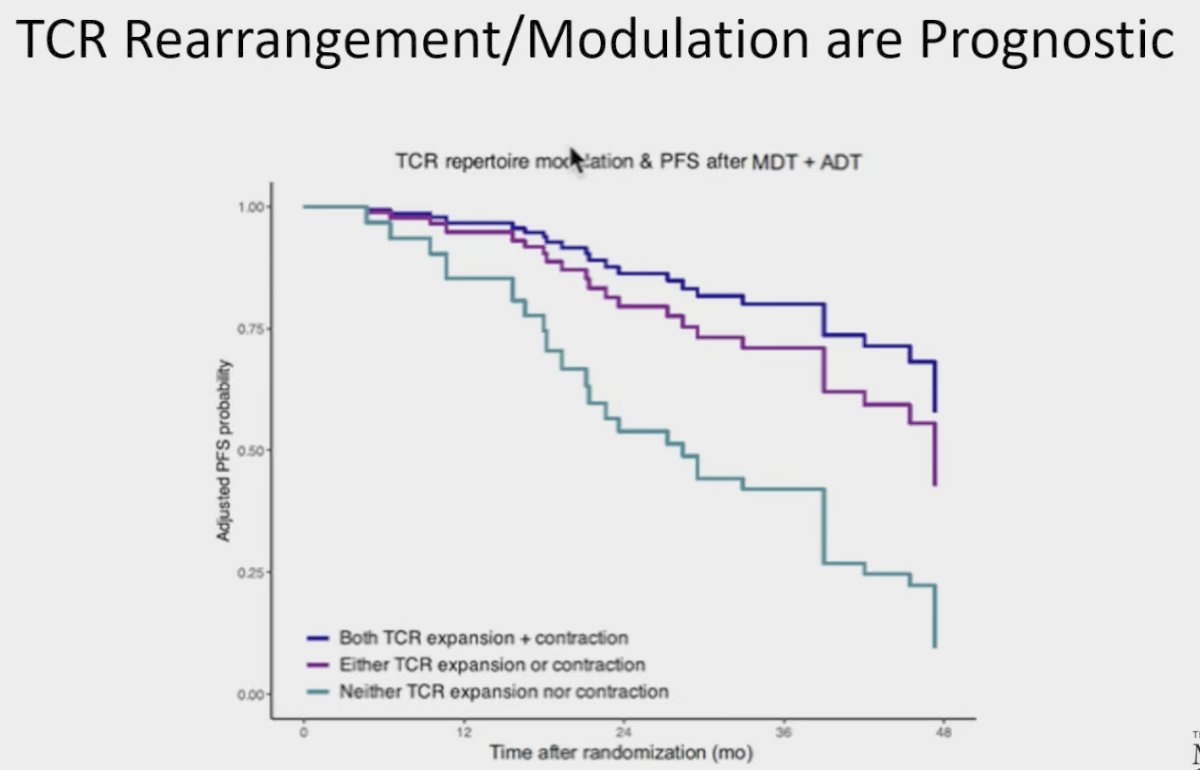
Data from the EXTEND trial showed that TCR rearrangement and modulation are prognostic. Patients with both TCR expansion and contraction experienced the best PFS, those with either expansion or contraction had intermediate outcomes, while patients without either had the poorest prognosis, as shown below.3
Dr. Tran concluded his presentation with the following key remarks:
- ROBIN is a unique NCI-funded consortium aimed at understanding the biological effects of radiation therapy.
- The ROBIN OligoMET Center focuses on the interplay between macroscopic and microscopic disease in response to SABR MDT.
- Oligo-mCSPC is being used as a model system, with the TERPS trial serving as the Molecular Characterization Trial.
- Evidence already shows that SABR induces a systemic adaptive immune response in oligo-mCSPC.
- Gaining deeper insight into metastatic biology will inform treatment strategies for both oligo- and polymetastatic disease.
Written by: Julian Chavarriaga, MD, Urologic Oncologist at Cancer Treatment and Research Center (CTIC) Luis Carlos Sarmiento Angulo Foundation via Society of Urologic Oncology (SUO) Fellow at The University of Toronto. @chavarriagaj on Twitter during the 2025 American Society for Radiation Oncology (ASTRO) Annual Meeting, San Francisco, CA, September 28th – 30th, 2025.
Reference:
- Parker CC, James ND, Brawley CD, et al. Radiotherapy to the primary tumour for newly diagnosed, metastatic prostate cancer (STAMPEDE): a randomised controlled phase 3 trial. Lancet. 2018 Dec 1;392(10162):2353-2366. doi: 10.1016/S0140-6736(18)32486-3. Epub 2018 Oct 21. PMID: 30355464; PMCID: PMC6269599.
- Deek MP, Van der Eecken K, Sutera P, et al. Long-Term Outcomes and Genetic Predictors of Response to Metastasis-Directed Therapy Versus Observation in Oligometastatic Prostate Cancer: Analysis of STOMP and ORIOLE Trials. J Clin Oncol. 2022 Oct 10;40(29):3377-3382. doi: 10.1200/JCO.22.00644. Epub 2022 Aug 24. PMID: 36001857; PMCID: PMC10166371.
- Sherry AD, Siddiqui BA, Haymaker C, et al. Continuous Androgen Deprivation Therapy with or Without Metastasis-directed Therapy for Oligometastatic Prostate Cancer: The Multicenter Phase 2 Randomized EXTEND Trial. Eur Urol. 2025 Jul 31:S0302-2838(25)00396-3. doi: 10.1016/j.eururo.2025.07.006. Epub ahead of print. PMID: 40750497.