

(UroToday.com) The 67th American Society for Radiation Oncology (ASTRO) annual meeting held in San Francisco, was host to the Quality of Life Outcomes after Prostate Radiotherapy session. Dr. Daniel Song presented abstract 195 - Long-Term Toxicity and Patient-Reported Quality of Life after Prostate IMRT with or without Biodegradable Balloon Rectal Spacer: Analysis of a Pivotal Randomized Trial
Dr. Song began by noting that prostatic-rectal spacers have been shown to improve rectal dosimetry and reduce acute rectal toxicity in patients receiving prostate radiotherapy. However, long-term outcomes remain uncertain, and further study is needed to assess whether these benefits persist over time.
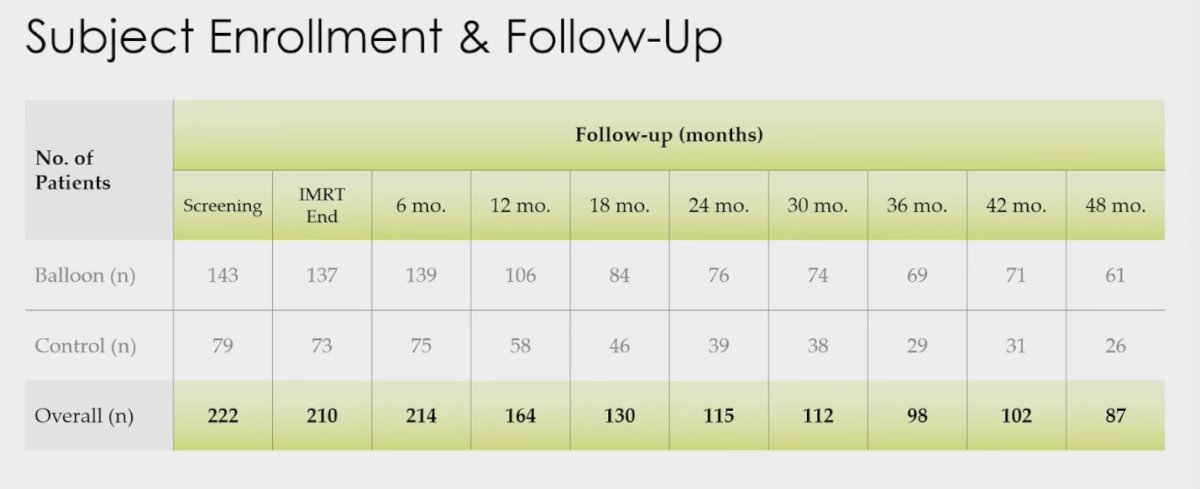
The BioProtect was a multinational pivotal, randomized phase III trial evaluating the safety and efficacy of a biodegradable balloon spacer in prostate cancer IMRT. A total of 222 patients were enrolled across 16 sites (both academic and private) and randomized 2:1 to balloon vs. control. IMRT was delivered as either moderately hypofractionated or conventional, depending on physician discretion.
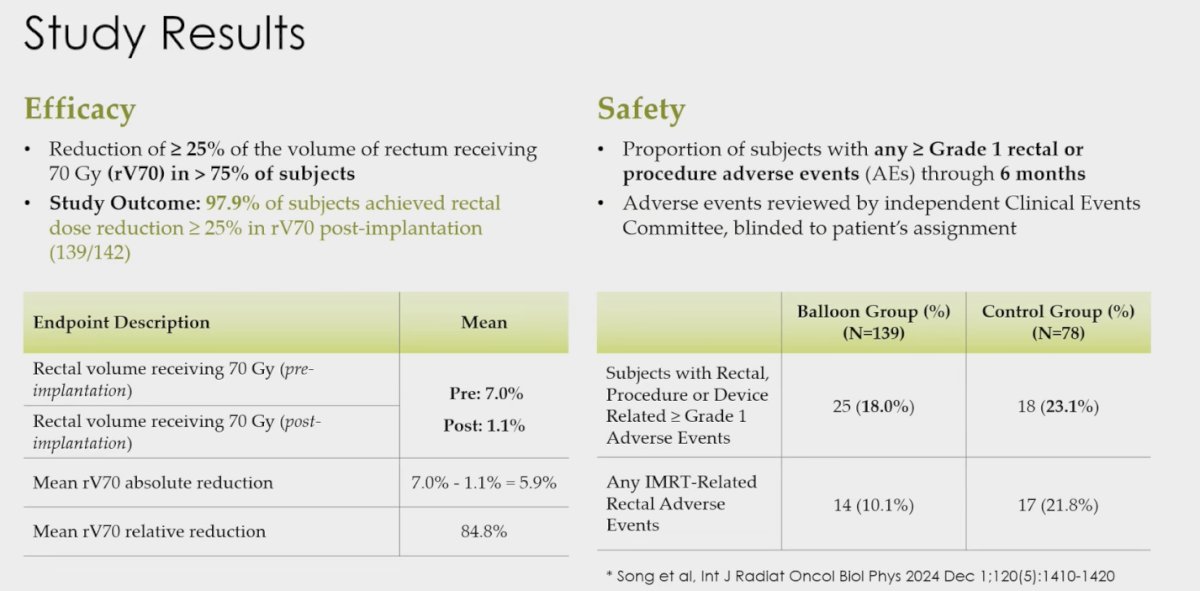
The co-primary endpoints were safety and efficacy: efficacy defined as ≥25% reduction in rectal rV70 in >75% of balloon patients, and safety defined as non-inferiority in rectal and procedure-related adverse events
The study successfully met its efficacy endpoint. Post-implantation, the mean rectal volume receiving 70 Gy (rV70) decreased from 7.0% to 1.1%, corresponding to an average relative reduction of 84.8%. Overall, 98% of patients achieved a ≥25% reduction in rV70. On safety, 18% of patients in the balloon group and 23.1% in the control group experienced grade ≥1 rectal, procedure, or device-related adverse events within six months. Importantly, IMRT-related rectal adverse events were lower in the balloon group (10.1% vs. 21.8%), underscoring the spacer’s role in reducing treatment-related rectal toxicity.1
The aim of this analysis was to evaluate:
- Physician-reported toxicity (CTCAE v4)
- Patient-reported quality of life (EPIC-26)
- Long-term outcomes with follow-up ranging from 6 to 48 months
A total of 222 men with prostate cancer were enrolled in this multi-institutional trial and randomized 2:1 to fiducial marker-based IG-IMRT with or without placement of a biodegradable balloon spacer into Denonvilliers’ fascia. Enrollment occurred between 2018 and 2022, notably continuing through the COVID-19 pandemic. Long-term follow-up was robust, with patient assessments extending out to 48 months.
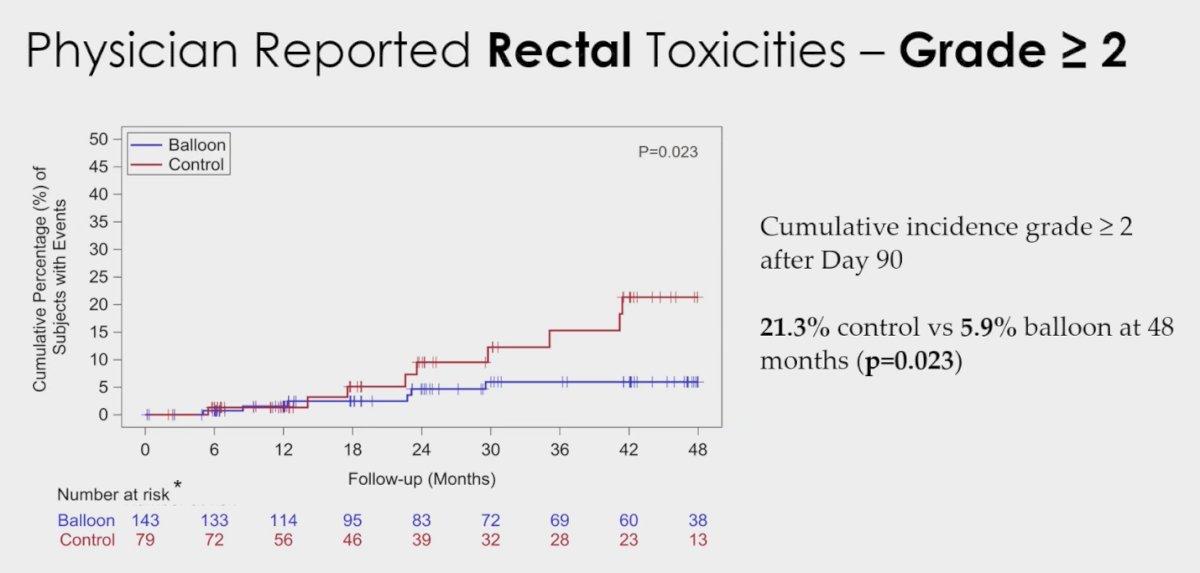
Dr. Song reported that, at 48 months rates of rectal toxicity were significantly lower in the balloon spacer group, with cumulative incidences of grade≥2 (5.9% vs 21.3%, p=0.023) favoring spacer placement.
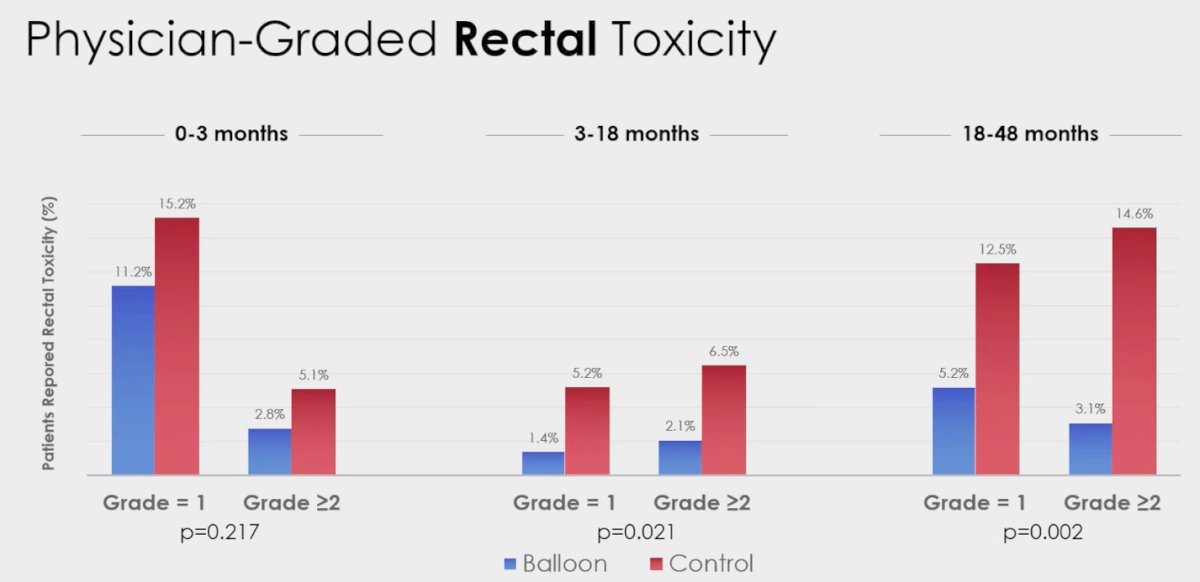
Physician-graded rectal toxicity consistently favored the balloon spacer group across all time points. While early toxicity differences (0–3 months) were not statistically significant, significant reductions were observed at 3–18 months and again at 18–48 months. Patients with a spacer experienced notably fewer grade ≥2 toxicities, supporting the protective role of the balloon in reducing long-term rectal complications during and after IMRT.
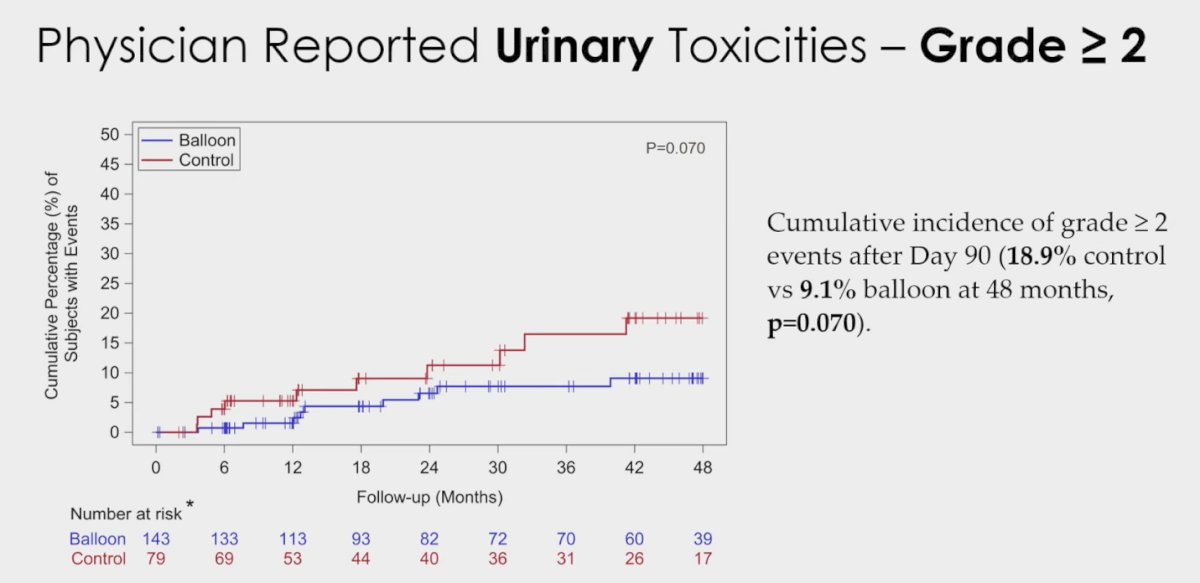
Urinary toxicity was also reduced in the balloon spacer group, with lower cumulative rates of grade ≥2 (9.1% vs 18.9%, p<0.070).
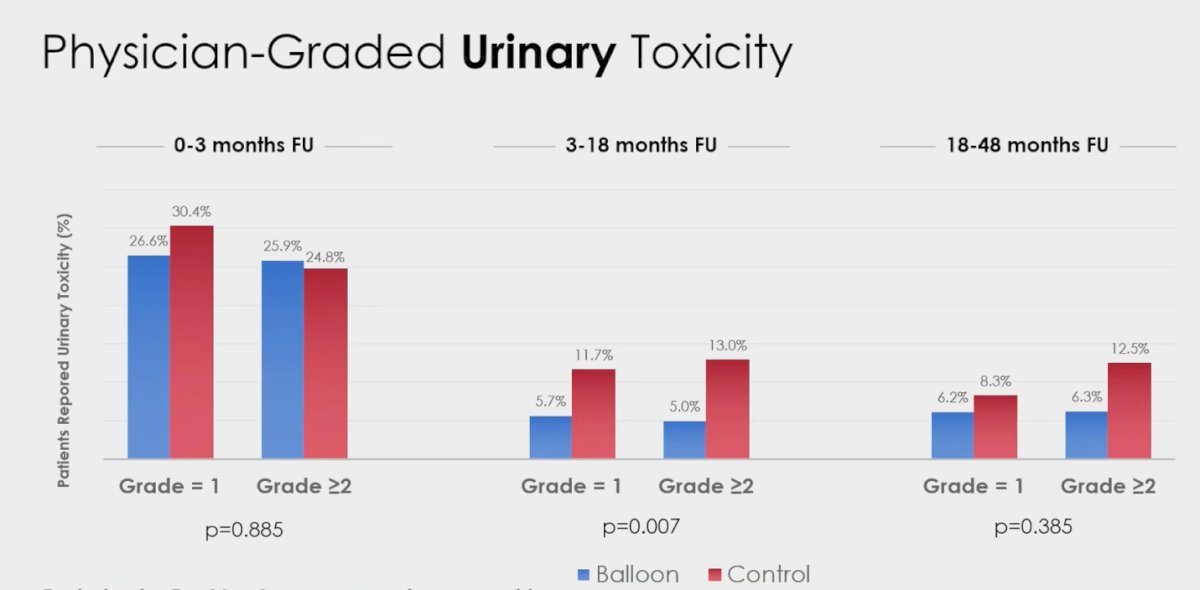
Physician-graded urinary toxicity also favored the balloon group. When broken down by follow-up intervals, rates were broadly similar during the acute 0–3 month period, but between 3–18 months patients with a balloon had significantly lower rates of both grade 1 (5.7% vs 11.7%) and grade ≥2 (5.0% vs 13.0%, p=0.007) urinary toxicity.
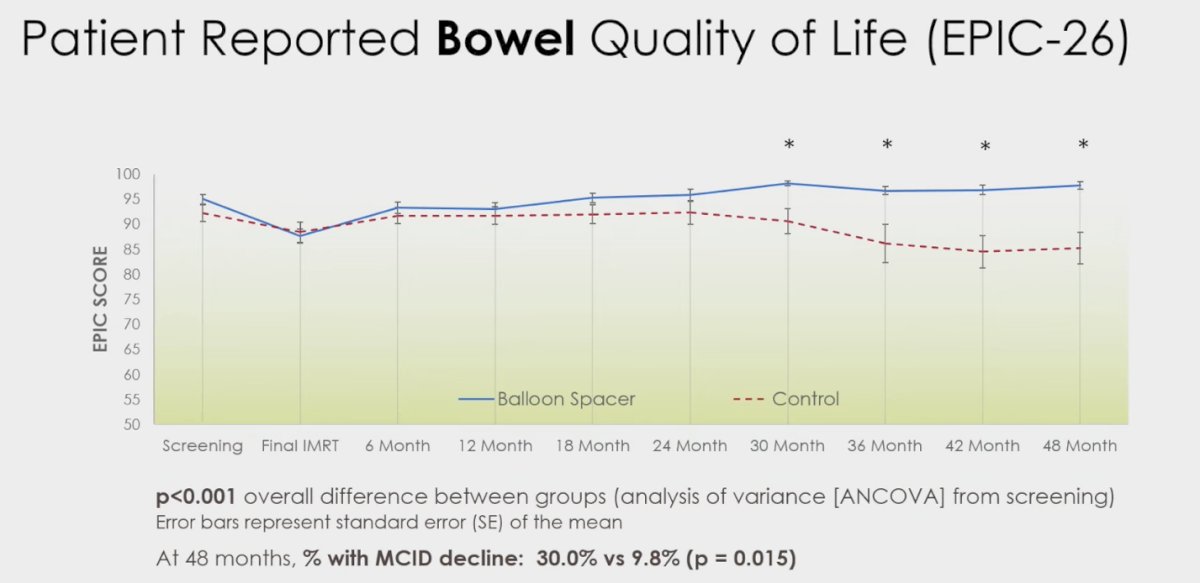
Patient-reported bowel quality of life demonstrated significantly better outcomes with the balloon spacer compared to controls. Differences became statistically significant starting at 24 months and persisted through 48 months. At 48 months, the proportion of patients with a decline greater than the MCID was significantly lower in the balloon arm (9.8%) compared to controls (30.0%, p=0.015).
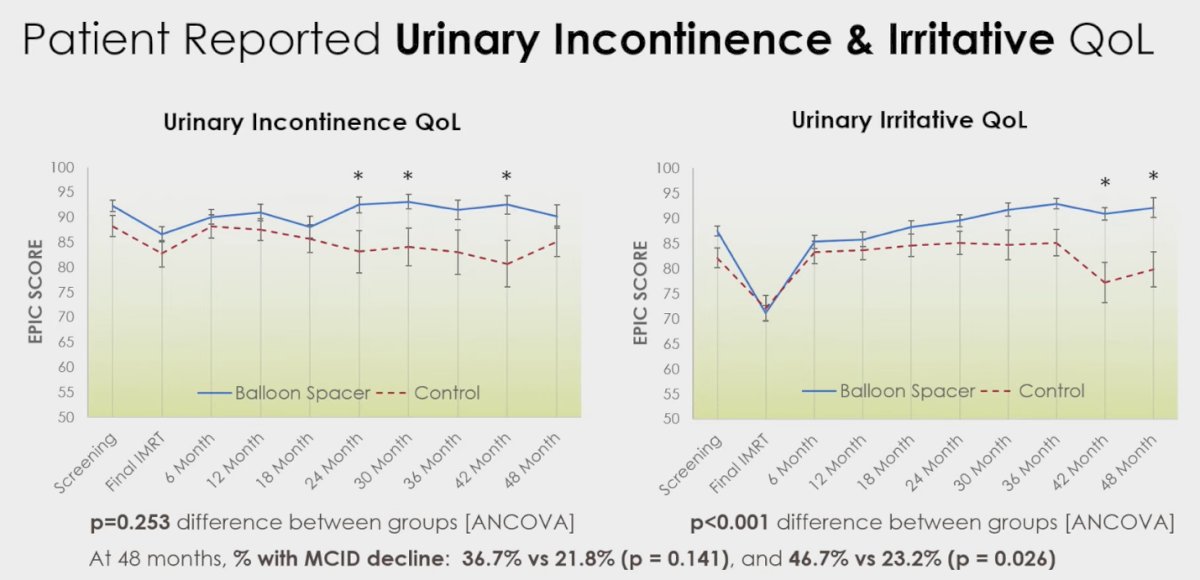
Notably, urinary domains were analyzed separately, outcomes for incontinence and irritative symptoms diverged. At 48 months, the proportion of patients with an MCID decline in incontinence was 36.7% vs 21.8% (p = 0.141), while irritative symptoms showed a significant benefit with the spacer, 46.7% vs 23.2% (p = 0.026).
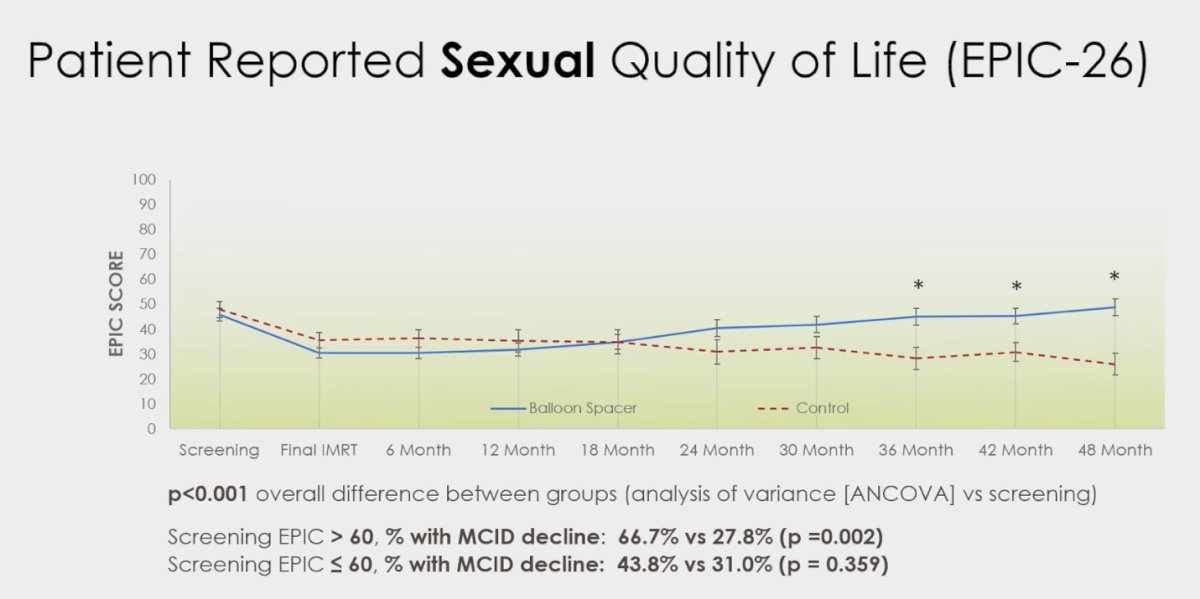
Sexual quality of life outcomes favored the balloon spacer group, with trends toward reduced sexual toxicity. Patient-reported EPIC-26 scores demonstrated significant differences beginning at 36 months and persisting through 48 months. Importantly, patients with baseline EPIC score >60 experienced a markedly lower rate of MCID decline (66.7% vs 27.8%, p=0.002), whereas those with baseline EPIC score ≤60 showed a numerical but non-significant difference (43.8% vs 31.0%, p=0.359).
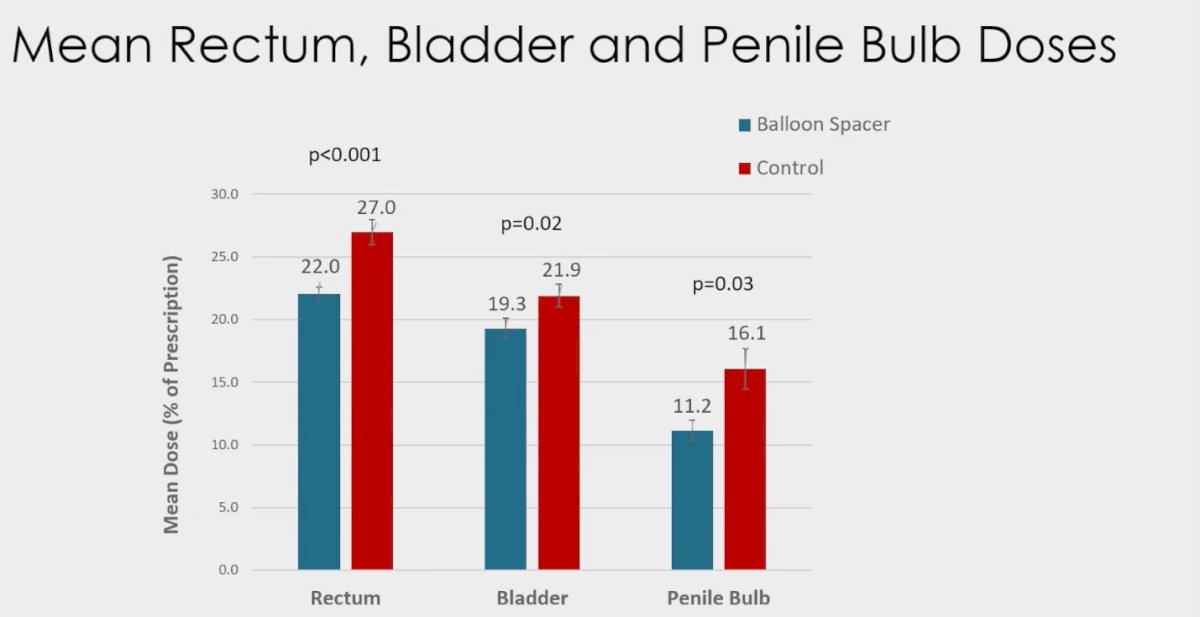
Lastly, the dosimetric analysis confirmed that patients in the balloon spacer arm experienced significantly lower mean doses to the rectum (22.0% vs 27.0%, p<0.001), bladder (19.3% vs 21.9%, p=0.02), and penile bulb (11.2% vs 16.1%, p=0.03) compared to controls.
Dr. Song wrapped up the presentation with the following conclusions:
- Balloon rectal spacers improved both short- and long-term physician- and patient-reported rectal/bowel outcomes after IMRT.
- Benefits extended beyond rectal protection, with improved preservation of urinary irritative and sexual quality of life domains.
- This is the first randomized data to show significant improvements in sexual quality of life with rectal spacers.
- Balloon rectal spacers should be considered to reduce long-term toxicity and minimize quality-of-life impact in patients receiving IMRT for prostate cancer.
Written by: Julian Chavarriaga, MD, Urologic Oncologist at Cancer Treatment and Research Center (CTIC) Luis Carlos Sarmiento Angulo Foundation via Society of Urologic Oncology (SUO) Fellow at The University of Toronto. @chavarriagaj on Twitter during the 2025 American Society for Radiation Oncology (ASTRO) Annual Meeting, San Francisco, CA, Sat, Sept 27 – Wed, Oct 1, 2025.
Related content: Rectal Spacer Use Leads to Better Patient-Reported Bowel and Sexual Outcomes - Daniel Song
Reference:
- Song D, Dabkowski M, Costa P, Nurani R, Kos M, Vanneste B, Magel D, Sapir E, Zimberg S, Boychak O, Soffen E, Alhasso A, Tokita K, Wang D, Symon Z, Hudes R. Prospective, Randomized Controlled Pivotal Trial of Biodegradable Balloon Rectal Spacer for Prostate Radiation Therapy. Int J Radiat Oncol Biol Phys. 2024 Dec 1;120(5):1410-1420. doi: 10.1016/j.ijrobp.2024.07.2145. Epub 2024 Jul 19. PMID: 39032758.