

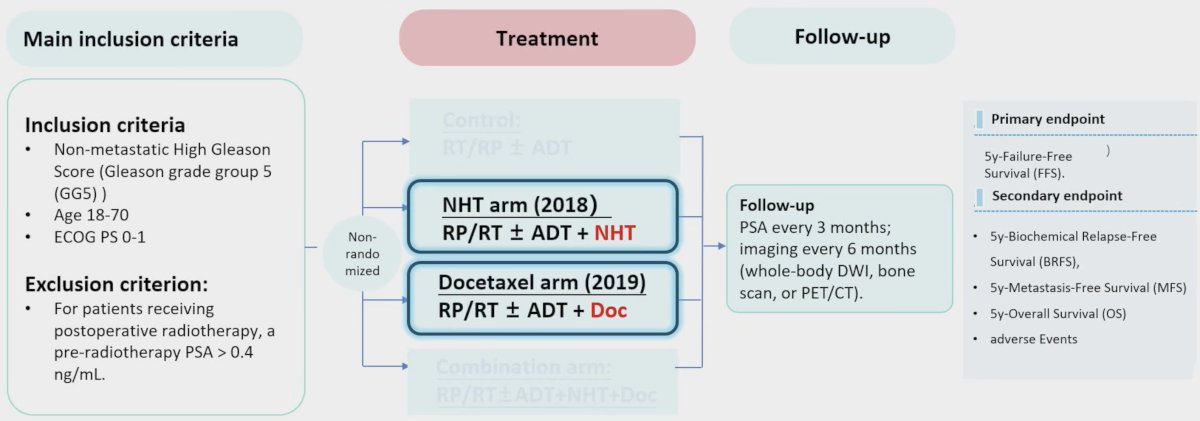
(UroToday.com) The 2025 American Society for Radiation Oncology (ASTRO) Annual Meeting held in San Francisco, CA, was host to an advances in localized prostate cancer session. Dr. Ming-Wei Ma presented the 5-year results of prospective, non-randomized study comparing the efficacy and safety of androgen deprivation therapy (ADT) + docetaxel versus ADT + novel hormonal therapy (NHT) in non-metastatic prostate cancer patients with a high Gleason Score receiving radiotherapy.
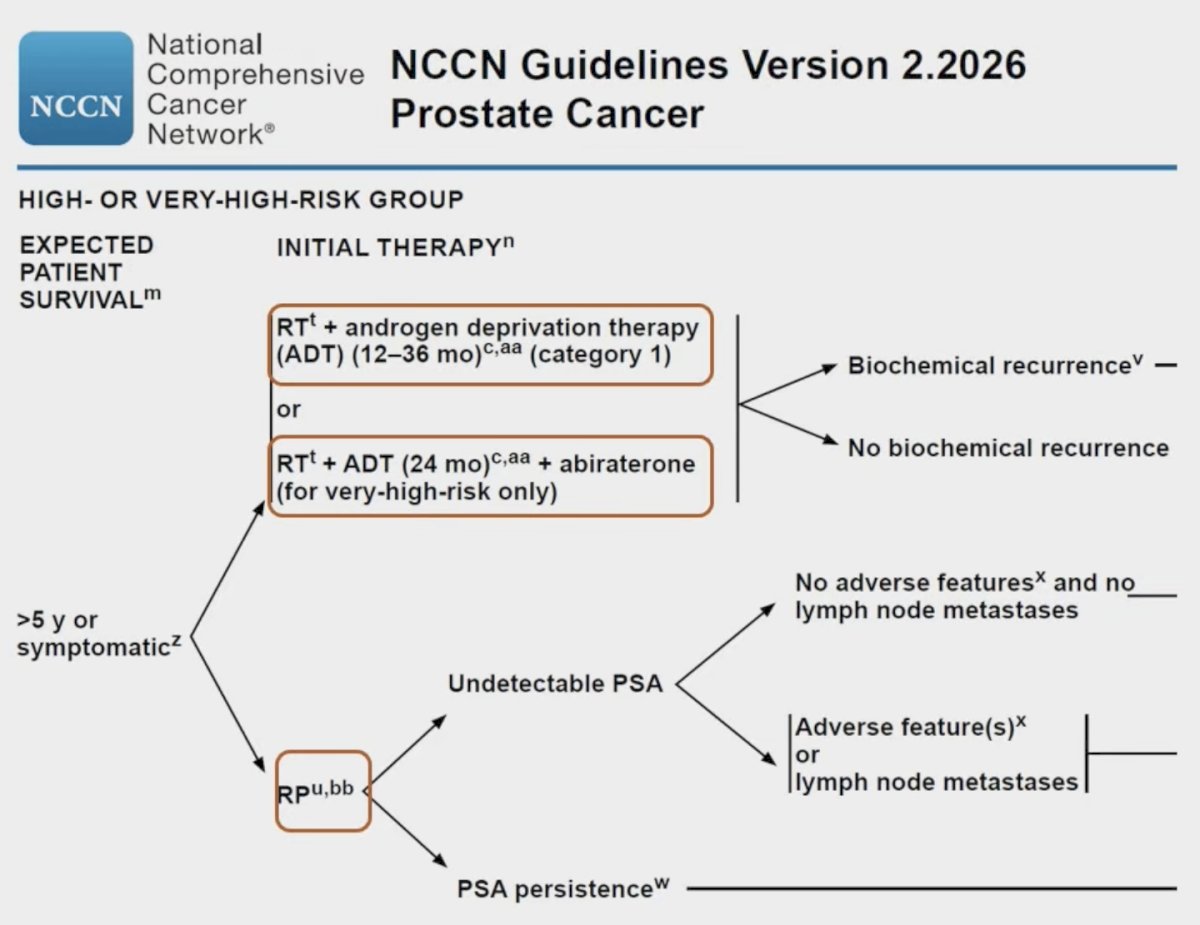
The NCCN currently recommends radiotherapy + ADT (12-36 months) for patients with high-risk prostate cancer with a life expectancy >5 years (Category 1), with abiraterone acetate + prednisone intensification recommended for those with very-high risk disease.1
Dr. Ma focused her attention on the subgroup of high-risk patients with Grade Group 5 (GG5) disease (i.e., Gleason Score 9-10), who were specifically evaluated in this study cohort. She noted that compared to non-GG5 tumors, GG5 tumors tend to be more cell-cycle active with a stronger proliferative capacity, suggesting that they may better respond to chemotherapy.
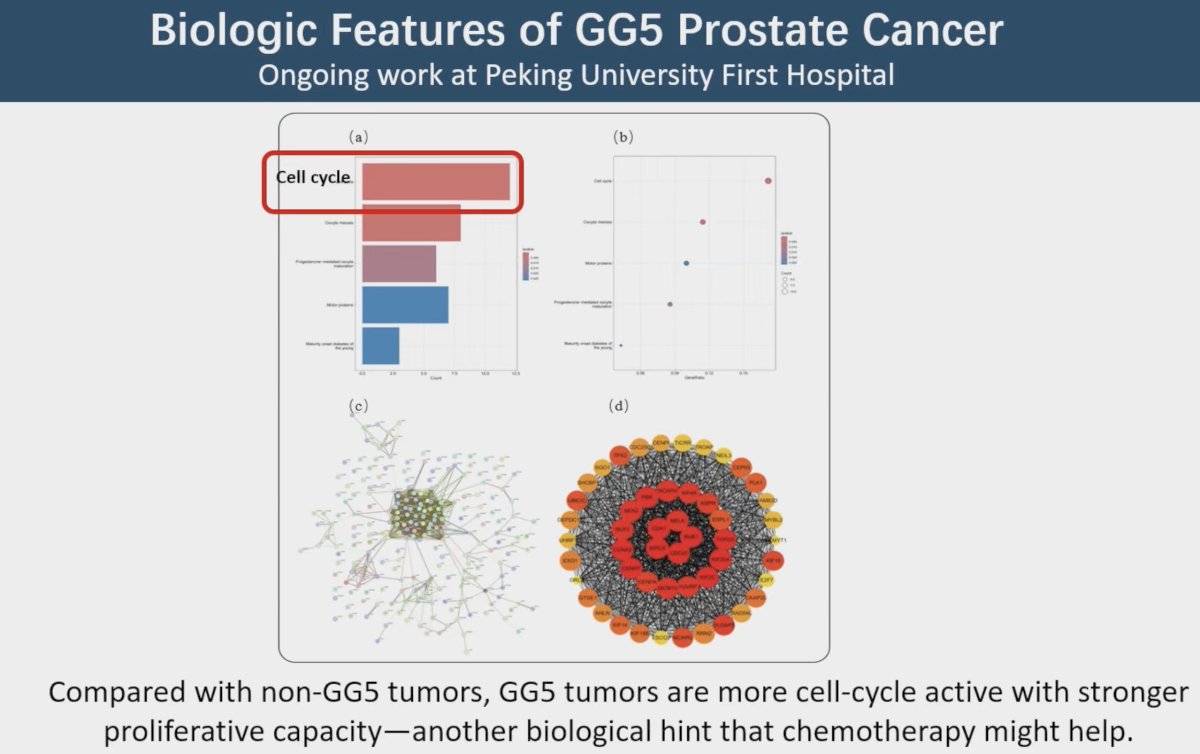
Accordingly, Dr. Ma and colleagues hypothesized that adding docetaxel to standard definitive therapy improves outcomes compared to intensified androgen suppression in patients with non-metastatic GG5 prostate cancer.
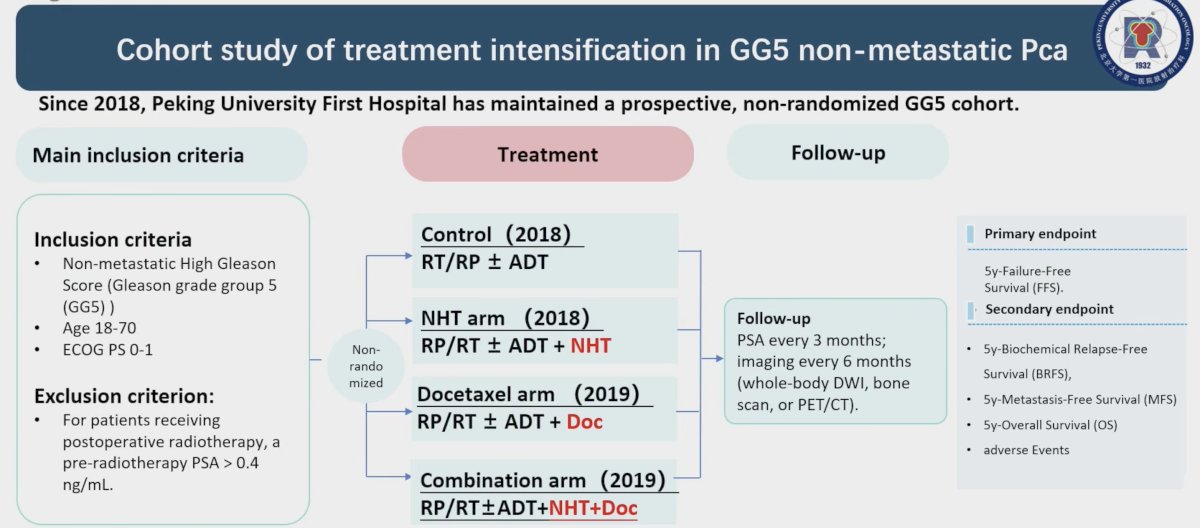
Since 2018, Peking University First Hospital has maintained a prospective, non-randomized cohort of patients with non-metastatic GG5 disease who have received one of four treatment regimens:
- Radiotherapy or radical prostatectomy +/- ADT
- Radiotherapy or radical prostatectomy +/- ADT + novel hormonal therapy (NHT)
- Radiotherapy or radical prostatectomy +/- ADT + docetaxel
- Radiotherapy or radical prostatectomy +/- ADT + NHT + docetaxel
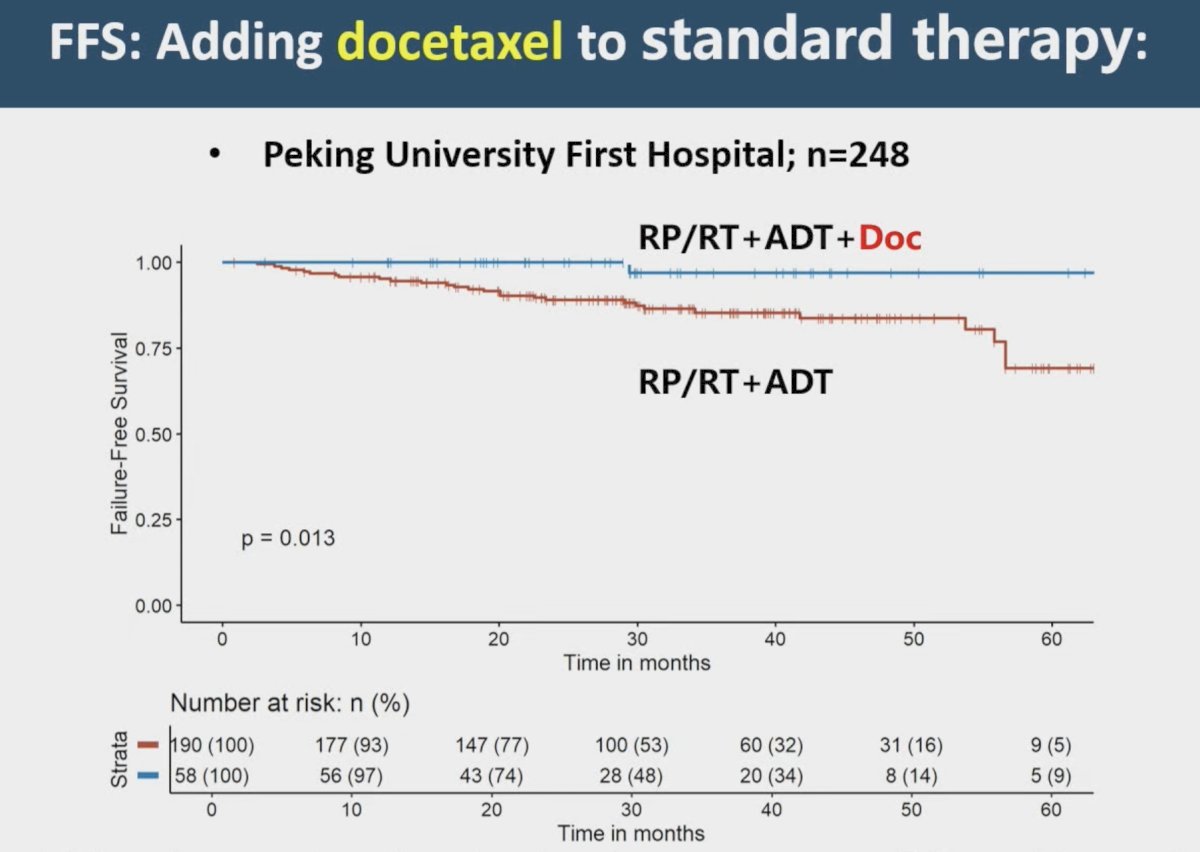
The study investigators have previously demonstrated that adding docetaxel to radical prostatectomy/radiotherapy + ADT significantly improves failure-free survival, supporting chemotherapy as an effective treatment intensification strategy:
However, does adding docetaxel to radical prostatectomy/radiotherapy + ADT outperform NHT?
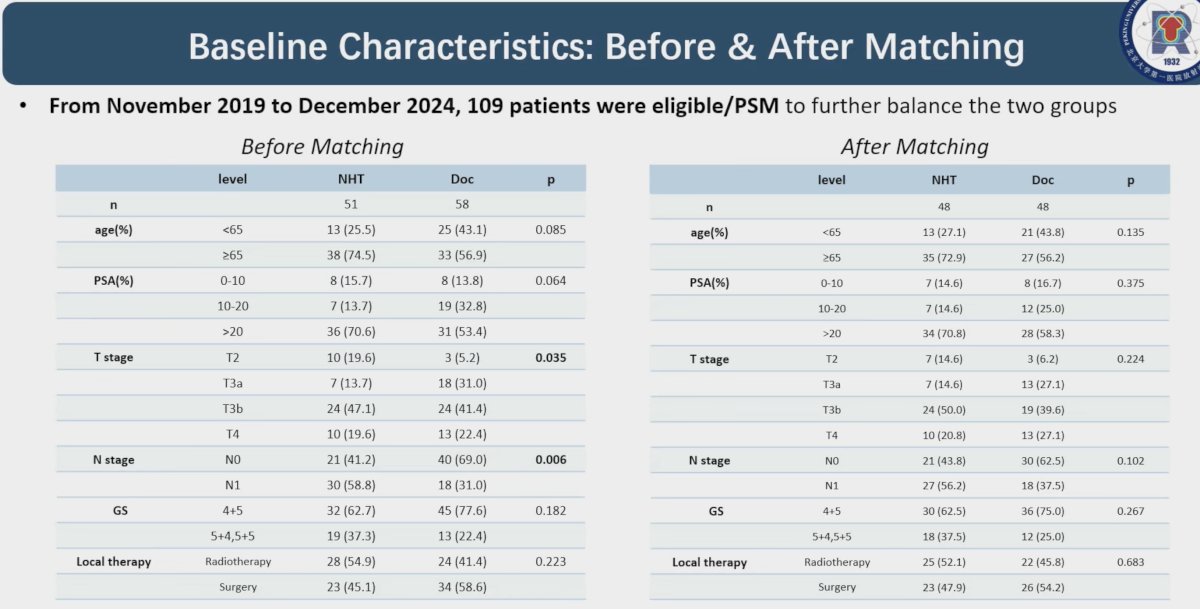
Between November 2019 and December 2024, 109 patients were eligible for this comparison. Following propensity score matching, the two treatment groups (NHT vs docetaxel intensification) were well-balanced for age, PSA level, clinical T and N stages, Gleason Grade, and local treatment received.
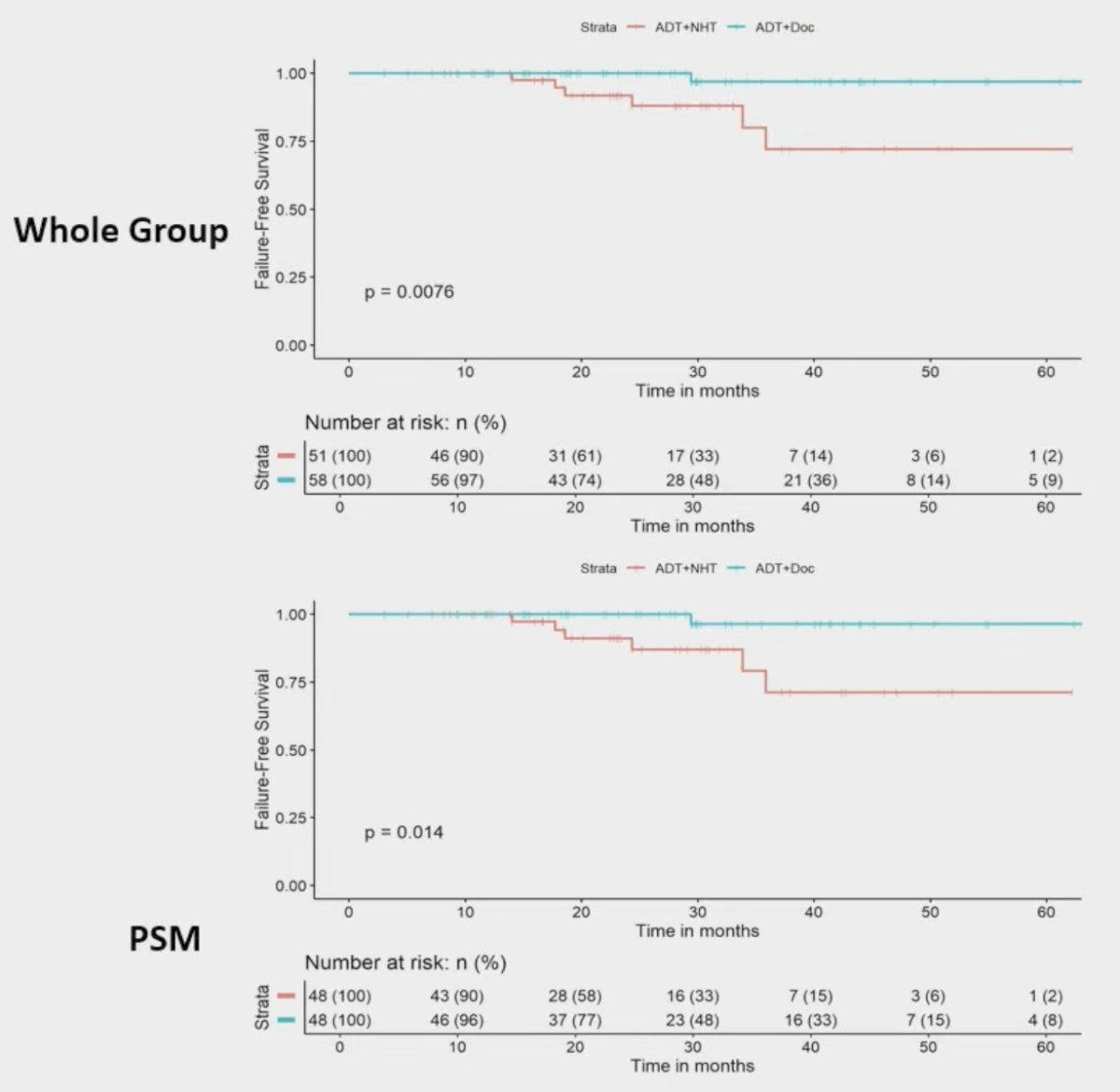
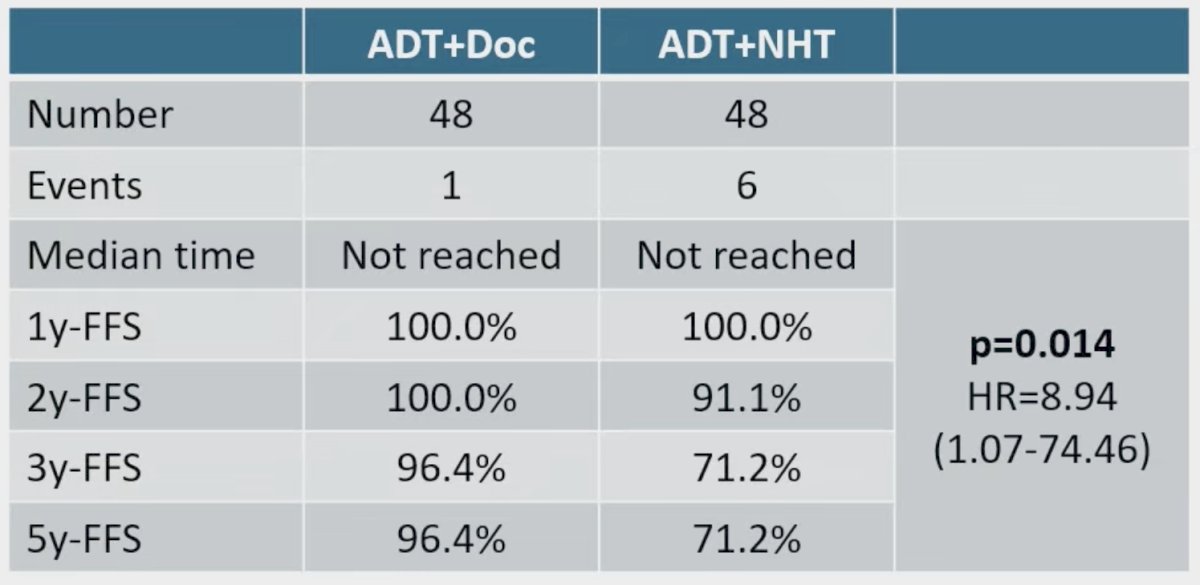
Patients receiving docetaxel had significantly improved failure-free survival rates (5-years: 96% vs 71%; HR: 8.94, p=0.014):
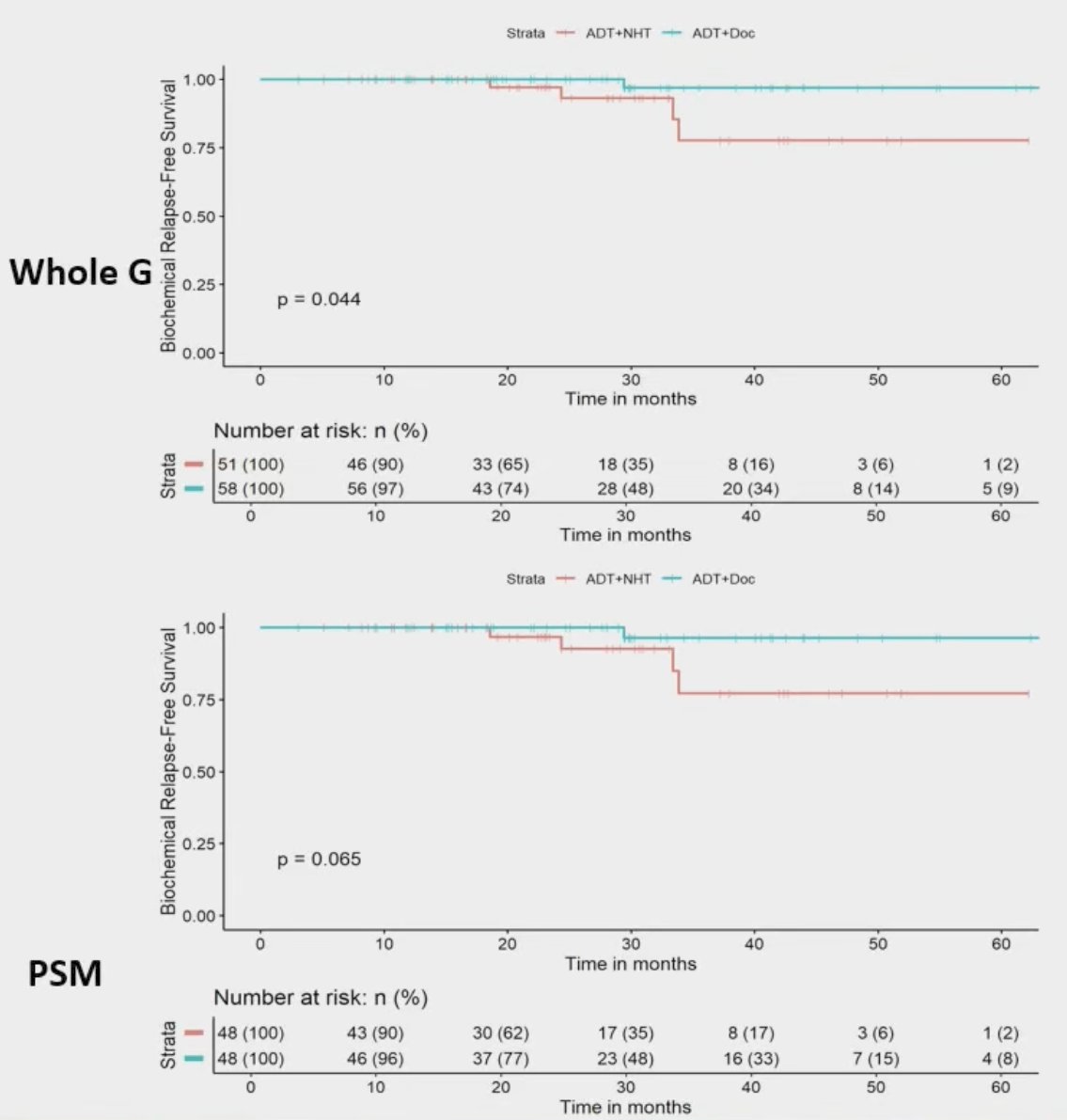
Patients receiving docetaxel had non-significantly superior biochemical relapse-free survival outcomes (5-years: 96% vs 77%; HR: 6.1, p=0.065):
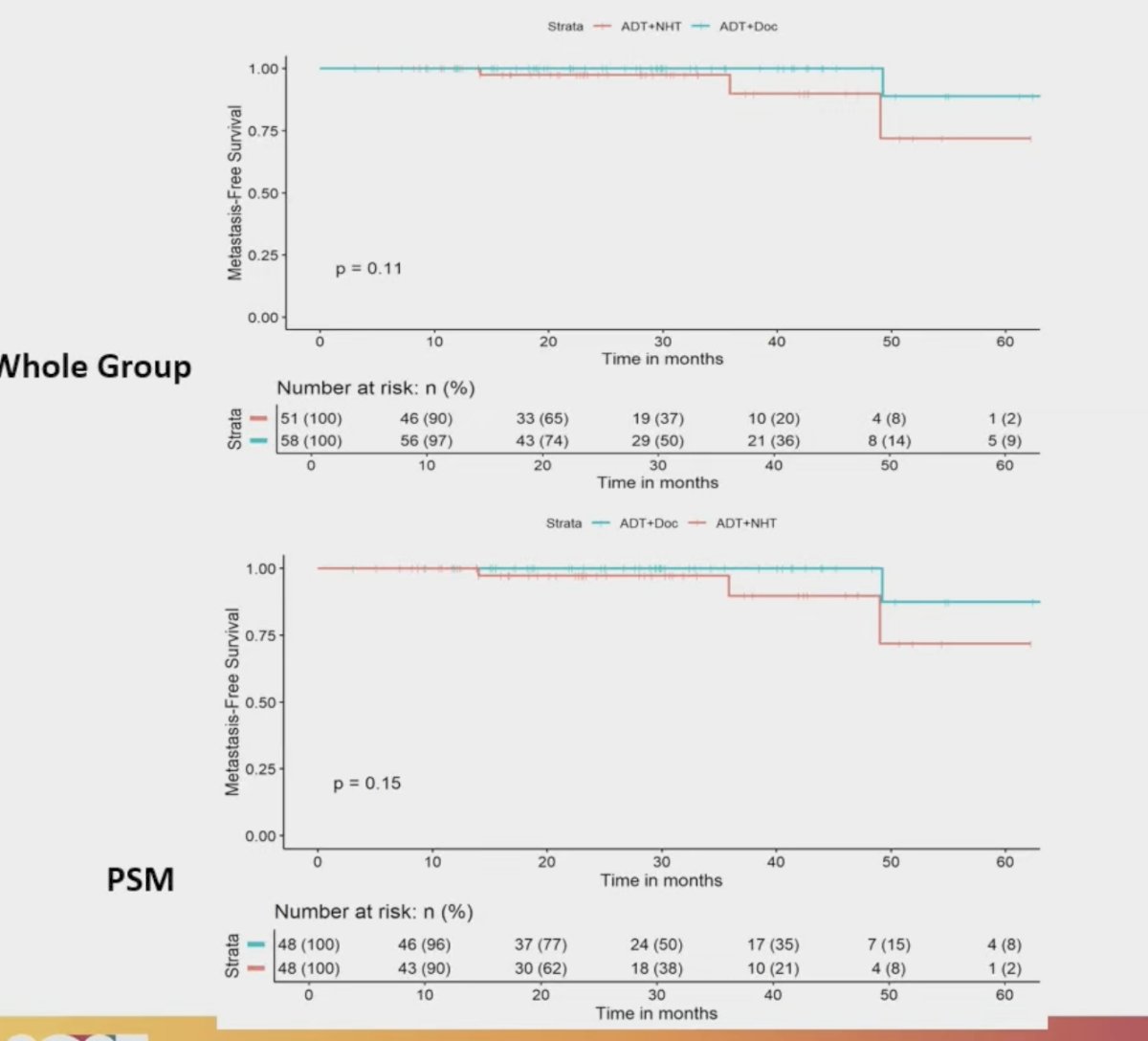
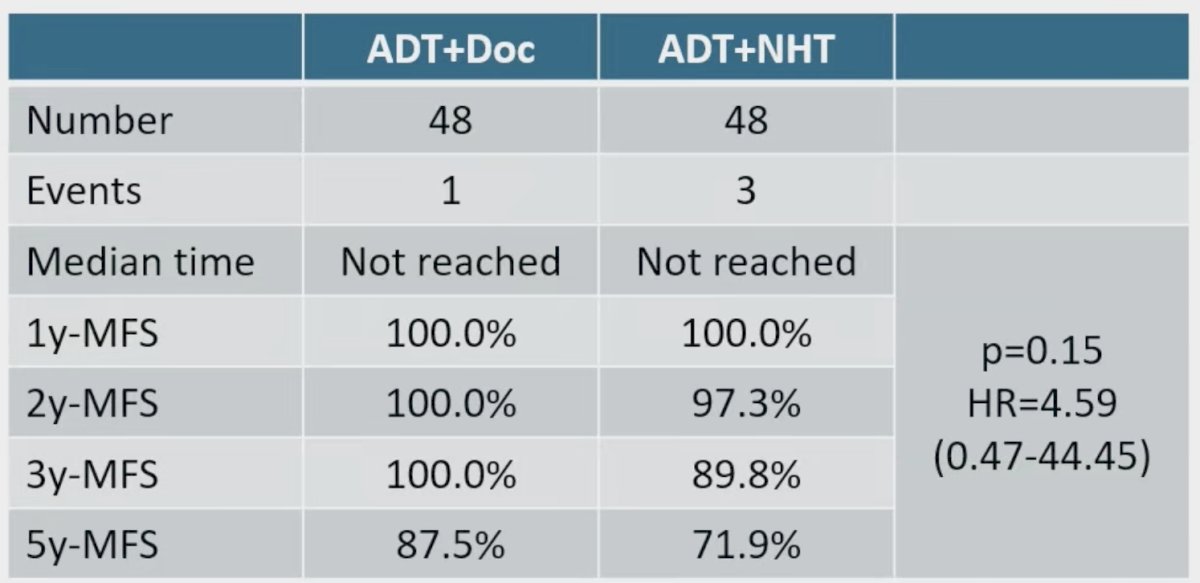
Similarly, metastasis-free survival outcomes favored the docetaxel group (5-years: 88% vs 72%; HR: 4.6, p=0.15):
With regards to adverse events, Grade ≥3 leukopenia/neutropenia occurred more frequently with docetaxel (45% versus 2%), and, overall, there were higher rates of GU/GI toxicity with docetaxel:
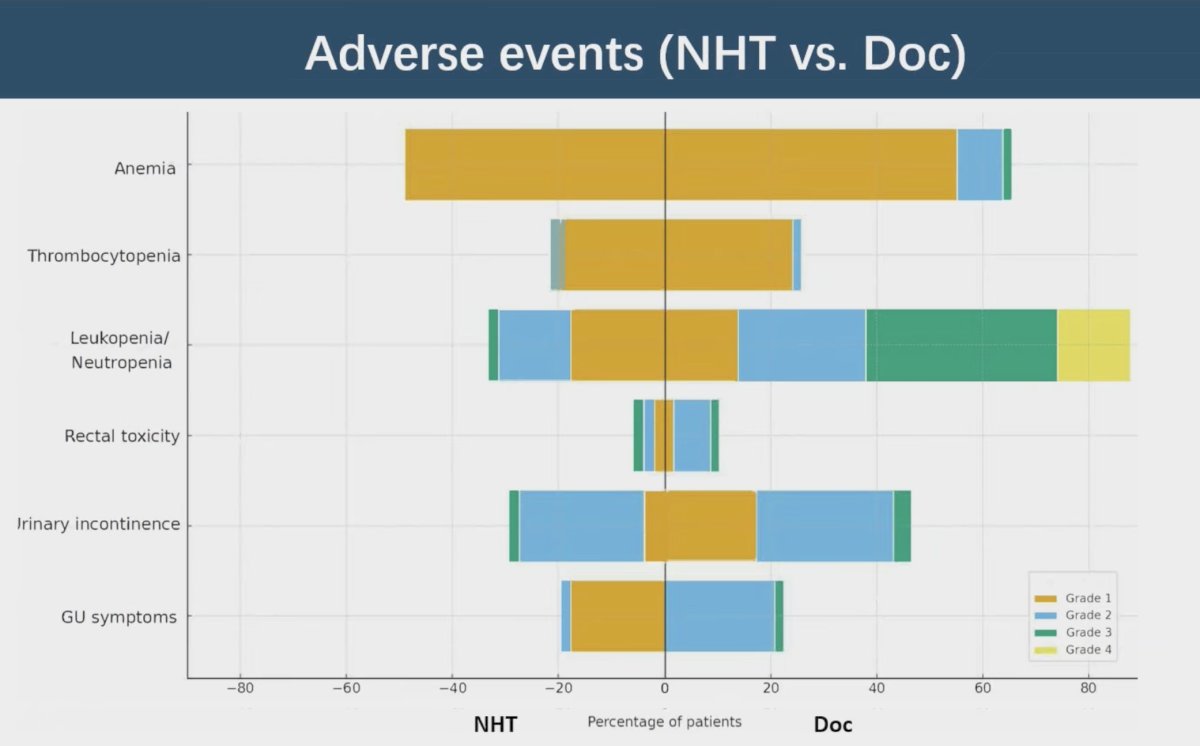
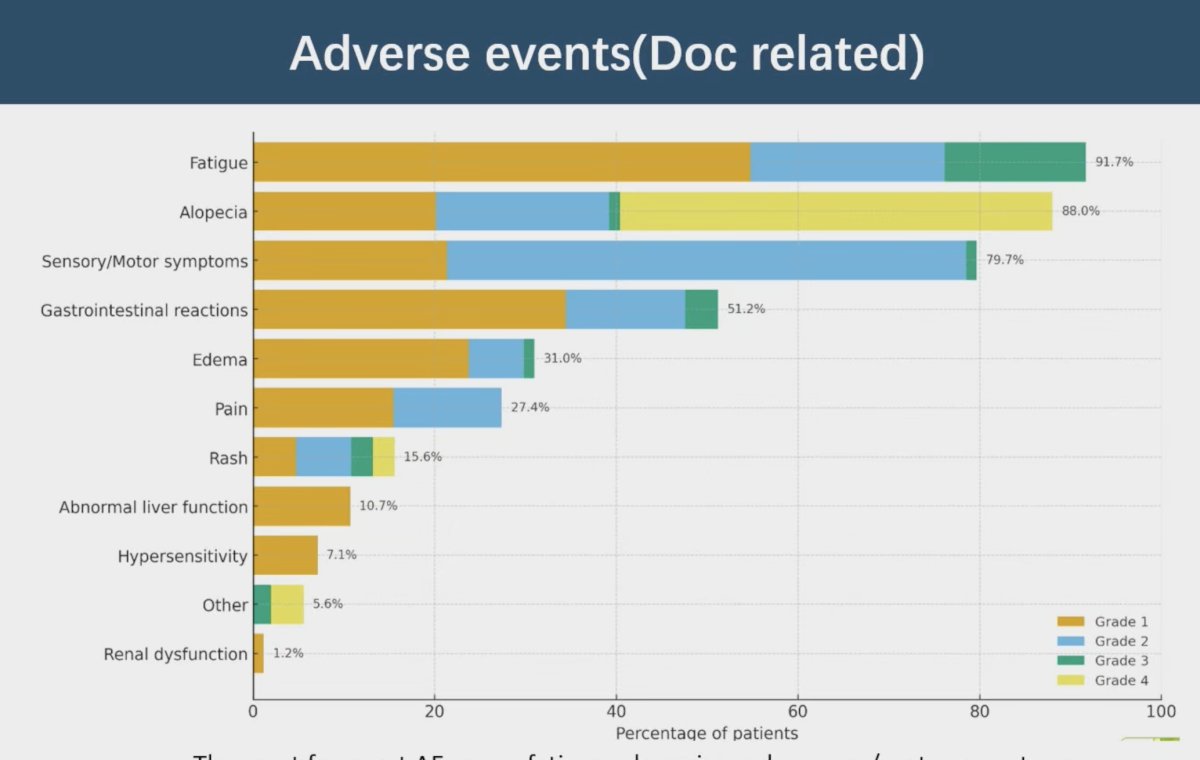
The most common adverse events with docetaxel were fatigue (92%), alopecia (88%), and sensory/motor symptoms (80%). Dr. Ma noted that serious events were infrequent and manageable.
She concluded as follows:
- Patients with Grade Group 5 prostate cancer (i.e., biologically high-risk cancer) likely need androgen pathway-independent treatment intensification, particularly with docetaxel chemotherap
Presented by: Ming-Wei Ma, MD, PhD, Assistant Professor, Associate Researcher in the Department of Radiation Oncology at Peking University First Hospital, Beijing, China
Written by: Rashid K. Sayyid, MD, MSc, Assistant Professor, Urologic Oncologist, Department of Urology at The University of Arizona and Banner University Medical Center – Tucson, AZ, @rksayyid on X during the 2025 American Society for Radiation Oncology (ASTRO) Annual Meeting, San Francisco, CA, September 28th – 30th, 2025
References: