

(UroToday.com) The 2026 ASCO GU Annual Symposium hosted a prostate cancer poster session. Dr. Celestia Higano presented the results of a subgroup analysis of US patients from the REASSURE global study evaluating long-term outcomes of radium-223 in metastatic castration-resistant prostate cancer (mCRPC) patients.
Radium-223 is an alpha-emitting radiopharmaceutical approved for patients with mCRPC and symptomatic bone metastases, based on demonstrated overall survival benefit and favorable safety profile. The safety and efficacy of radium-223 were demonstrated in the phase III ALSYMPCA trial;1 however, long-term safety data beyond clinical trials have remained limited. REASSURE (NCT02141438) is a 10-year, global, prospective, single-arm observational study of radium-223 use in patients with bone-predominant mCRPC treated in routine clinical practice settings.
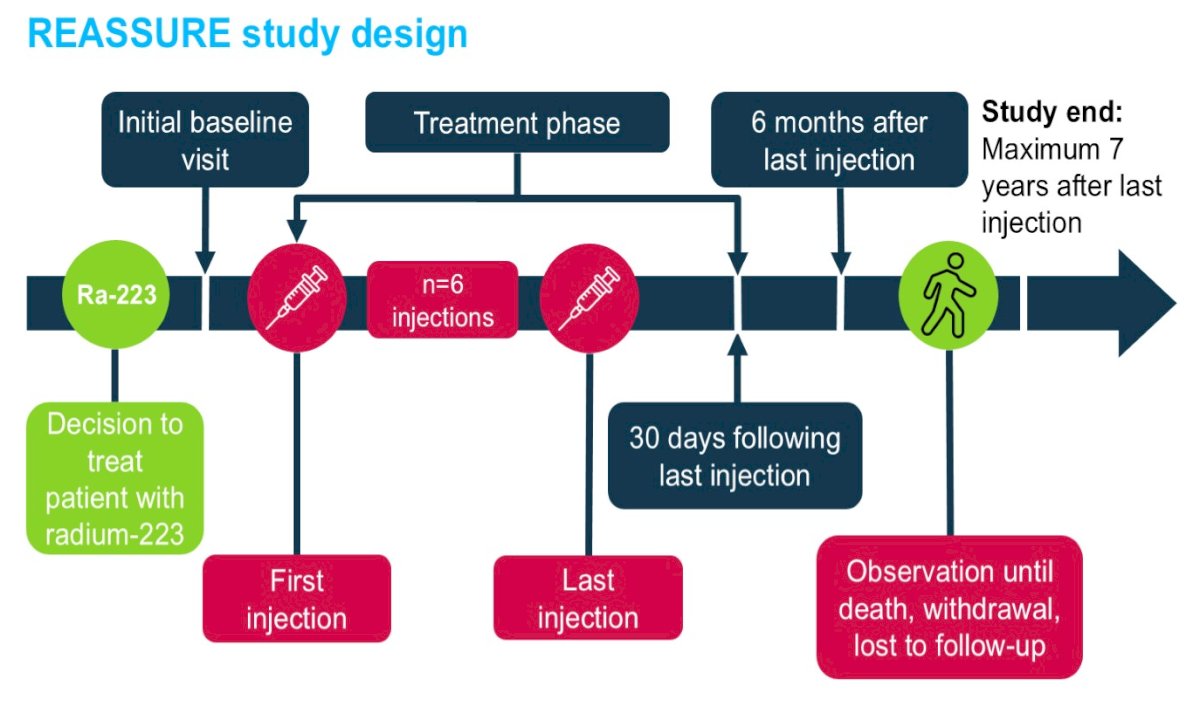
This final descriptive analysis included US patients treated with at least one injection of radium-223 between August 20, 2014, and October 24, 2024. The primary endpoints included hematologic toxicities and second primary malignancies, while secondary endpoints included overall survival, bone fractures, and pain response. Patients were followed from initiation of radium-223 until death, withdrawal of consent, loss to follow-up, or study completion, with a maximum observation period of seven years following the last radium-223 injection.
Overall, 1,492 patients with mCRPC received ≥1 injection of Ra-223 in the global study, of whom 498 comprised the US subset. The median age was 74 years (range 44–94), with a median observation duration of 19 months (range 0–45). Most patients had ECOG performance status 0–1 (79%). The median time from CRPC diagnosis to study entry was 9.4 months (range 0–147).
Baseline laboratory values reflected typical mCRPC populations with bone metastases. The median alkaline phosphatase was 107 U/L (range 31–911), hemoglobin 12.7 g/dL (range 8–16), lactate dehydrogenase 195 U/L (range 110–997), and PSA 35 ng/mL (range 0–1258). Bone pain burden at baseline was substantial, with 72% of patients reporting BPI-SF worst pain scores ≥2.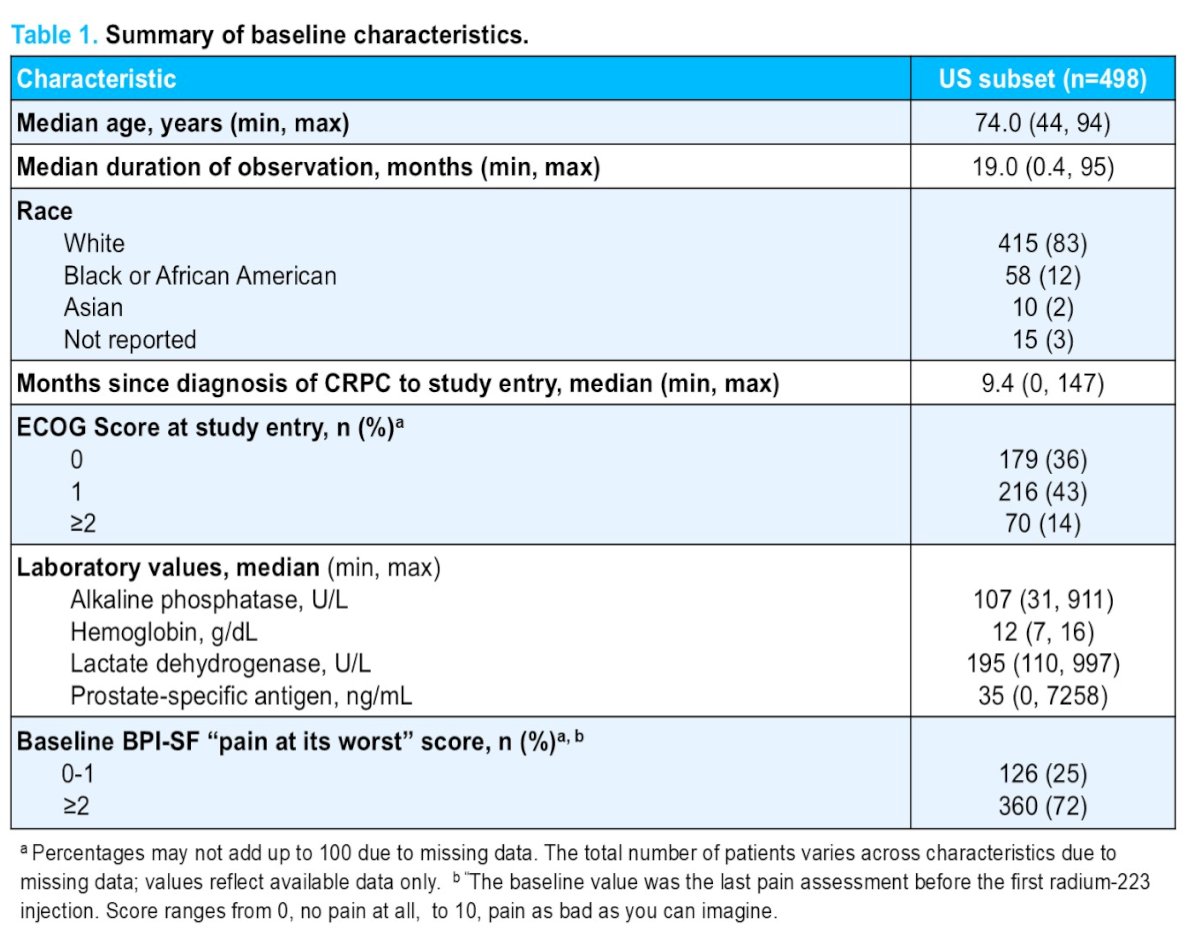
Treatment exposure demonstrated that 312 patients (63%) completed all six planned radium-223 injections, while 346 patients (69%) completed at least five injections.
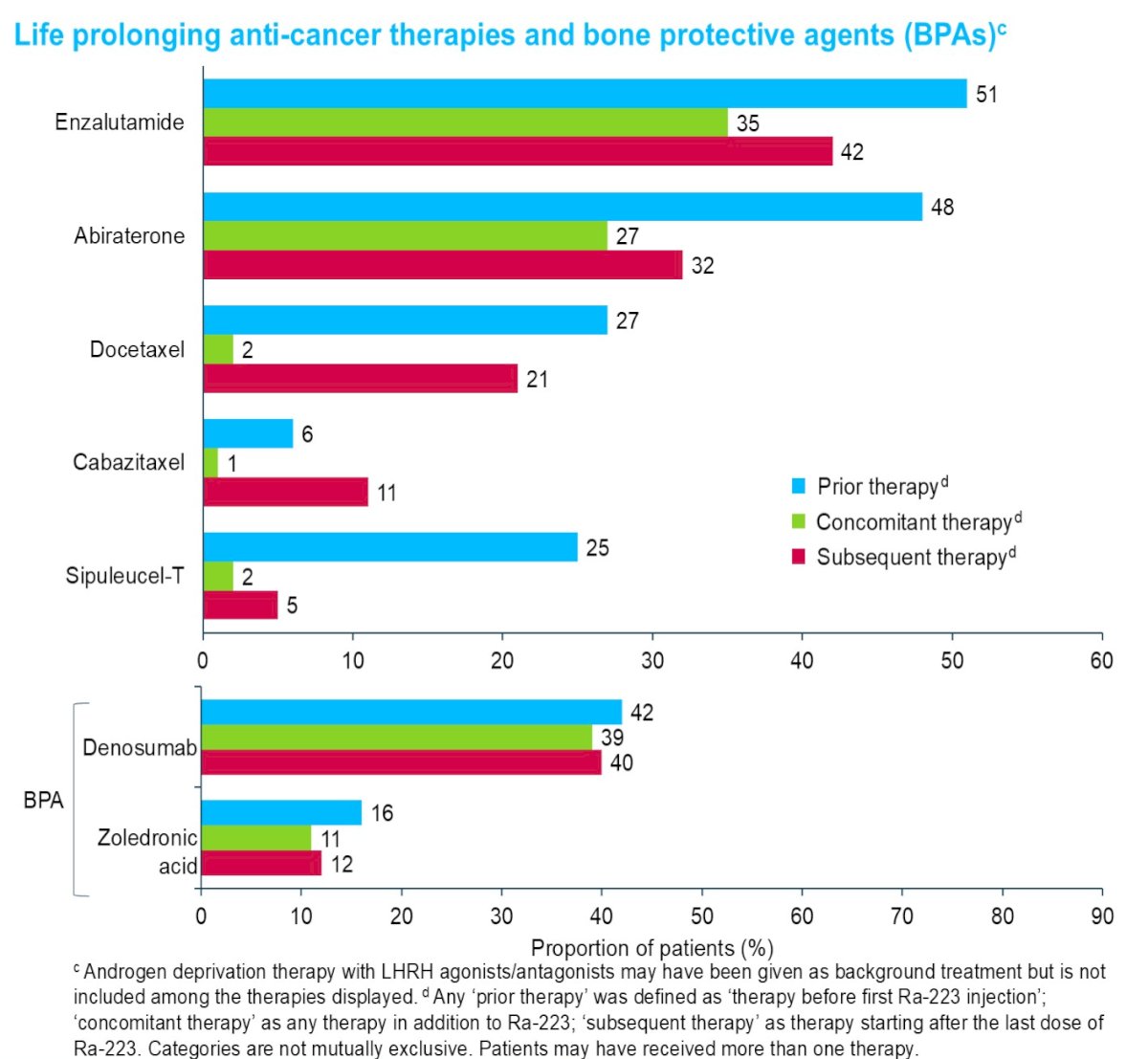
Treatment patterns surrounding radium-223 use demonstrated substantial exposure to life-prolonging systemic therapies both before and after radium-223 initiation. Prior to radium-223, androgen receptor pathway inhibitors were commonly used, including enzalutamide in 51% of patients and abiraterone in 48%. Chemotherapy exposure prior to radium-223 included docetaxel in 27% and cabazitaxel in 6%, while 25% had received sipuleucel-T.
Concurrent systemic therapy during radium-223 treatment was less frequent but still notable, with 35% receiving enzalutamide, 27% abiraterone, 2% docetaxel, 1% cabazitaxel, and 2% sipuleucel-T during treatment.
Following completion of radium-223, subsequent systemic therapy remained common, highlighting ongoing treatment sequencing in mCRPC. Enzalutamide was administered after radium-223 in 42% of patients, abiraterone in 32%, docetaxel in 21%, cabazitaxel in 11%, and sipuleucel-T in 5%.
Use of bone-protective agents was also frequent across the treatment continuum. Denosumab was used in 42% prior to radium-223, 39% concurrently, and 40% afterward. Zoledronic acid use was lower but still present (16% prior, 11% concurrent, and 12% subsequent). These findings suggest substantial integration of skeletal protection alongside systemic therapy in routine practice.
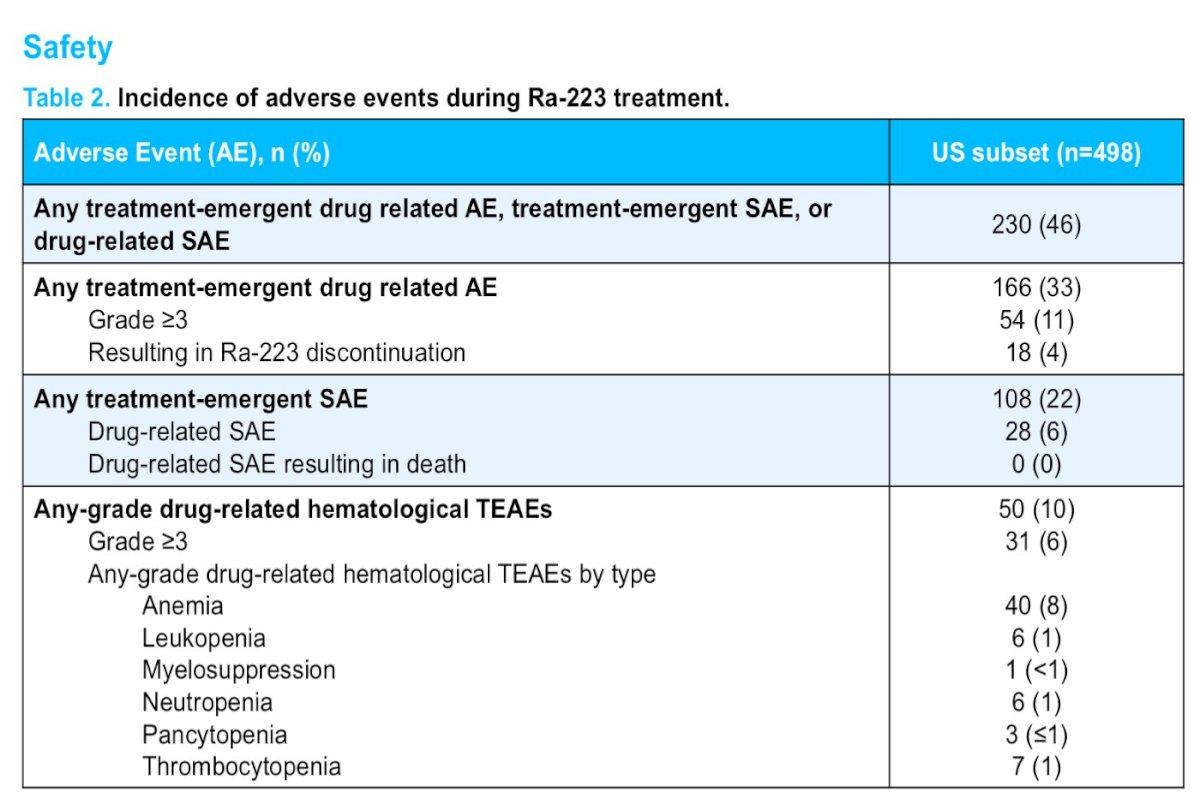
Safety analyses demonstrated favorable long-term tolerability. Treatment-emergent adverse events occurred in 46% of patients, with grade ≥3 events reported in 11%. Grade ≥3 hematologic toxicities included anemia in 8%, leukopenia in 1%, neutropenia in 1%, pancytopenia in 1%, and thrombocytopenia in approximately 1%. Serious treatment-emergent adverse events occurred in 22%, with drug-related serious adverse events in 6%, and no drug-related deaths were reported.
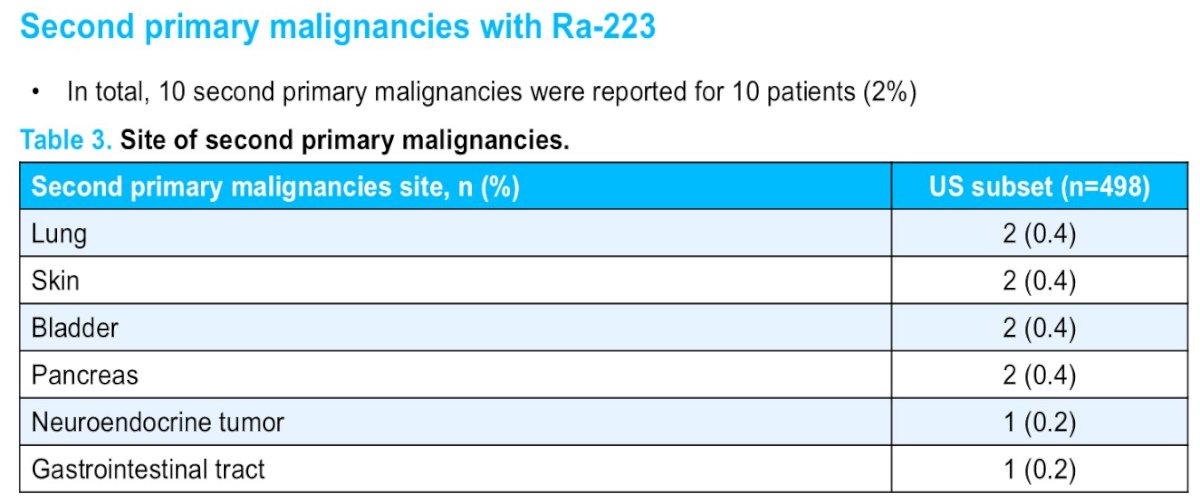
Second primary malignancies were uncommon, reported in 10 patients (2%). These included lung cancer (4 cases), skin cancer (2), bladder cancer (2), pancreatic cancer (2), neuroendocrine tumor (1), and gastrointestinal malignancy (1).
Most second malignancies occurred more than 12 months after radium-223 initiation.
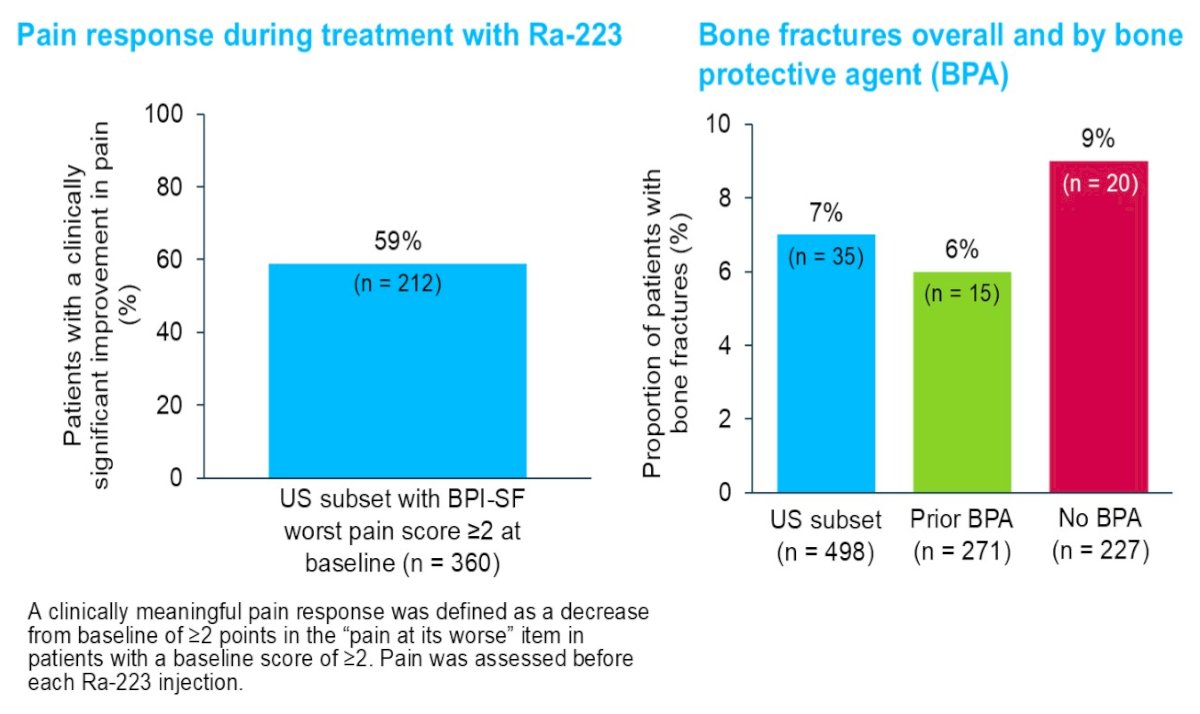
Pain response analyses showed clinically meaningful reductions in pain scores among patients with baseline BPI-SF worst pain scores ≥2. Bone fracture incidence was relatively low overall, reported in approximately 7% of the overall US cohort, with lower rates observed among patients receiving bone-protective agents compared with those not receiving such therapy.
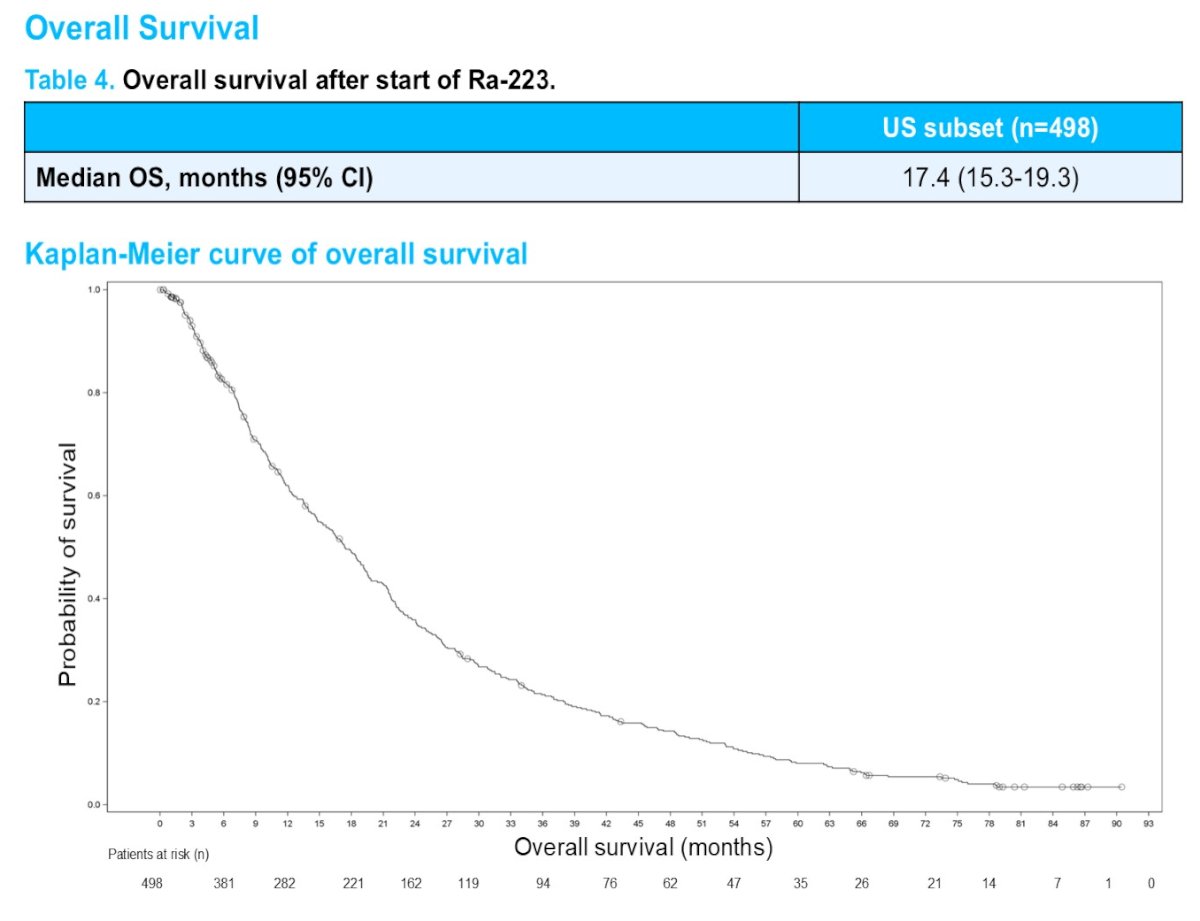
Median overall survival from radium-223 initiation in the US subset was 17.4 months (95% CI 15.3–19.3), consistent with previously reported real-world datasets and clinical trial experience.
Dr. Higano concluded as follows:
- In this descriptive analysis of 10-year real-world data from the US subset of the REASSURE study, radium-223 demonstrated a favorable long-term hematologic safety profile in patients with metastatic castration-resistant prostate cancer.
- Importantly, the incidence of second primary malignancies was low across the observation period and relative to national mCRPC data in the Surveillance, Epidemiology, and End Results (SEER)-Medicare database.
- Radium-223 was well tolerated, and most patients received life-prolonging therapy before, during, and after completion of radium-223.
- Overall survival was consistent with other contemporary studies.
- Bone-protective agents were underutilized; however, the incidence of bone fractures was low in this observational study.
Presented by: Celestia S. Higano, MD, FACP, Professor of Medicine, Fred Hutchinson Cancer Center / University of Washington, Seattle, WA, USA
Written by: Rashid K. Sayyid, MD, MSc, Assistant Professor, Urologic Oncologist, Department of Urology at The University of Arizona and Banner University Medical Center, Tucson, AZ – @rksayyid on X during the 2026 ASCO GU Annual Symposium, San Francisco, CA, February 26th–28th, 2026
Reference:
- Parker C, Nilsson S, Heinrich D, et al. Alpha emitter radium-223 and survival in metastatic prostate cancer. N Engl J Med 2013;369(3):213-223.