

(UroToday.com) The 2026 GU ASCO annual meeting featured a urothelial carcinoma session and a presentation by Dr. Matthew D. Galsky discussing updated clinical results and associated biomarkers from an ongoing phase 1 study of FX-909, a first-in-class peroxisome proliferator-activated receptor gamma (PPARG) inhibitor, in patients with advanced urothelial carcinoma. PPARG is a master regulator of luminal lineage in urothelial carcinoma, with two-thirds of advanced tumors classified as luminal. FX-909 is a first-in-class oral small molecule that potently and selectively inhibits both ligand-mediated and basal PPARG activity, offering a novel approach to targeting key cancer cell-intrinsic biology:
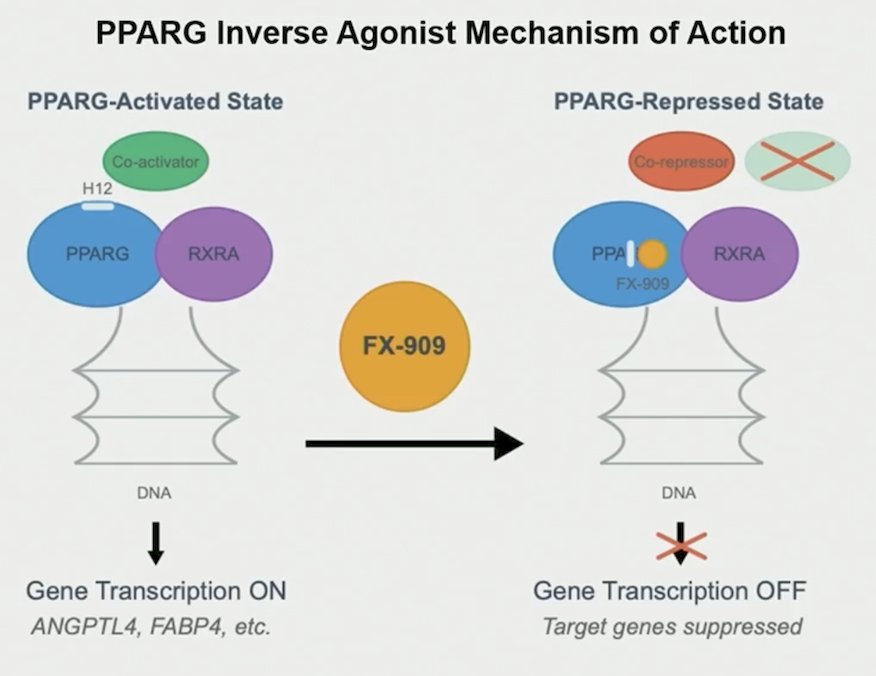
Preliminary phase 1A data have demonstrated objective responses with FX-909 monotherapy.1 At ASCO GU 2026, Dr. Galsky and colleagues reported updated safety, tolerability, antitumor activity, and predictive biomarker discovery to identify patients most likely to benefit from FX-909.
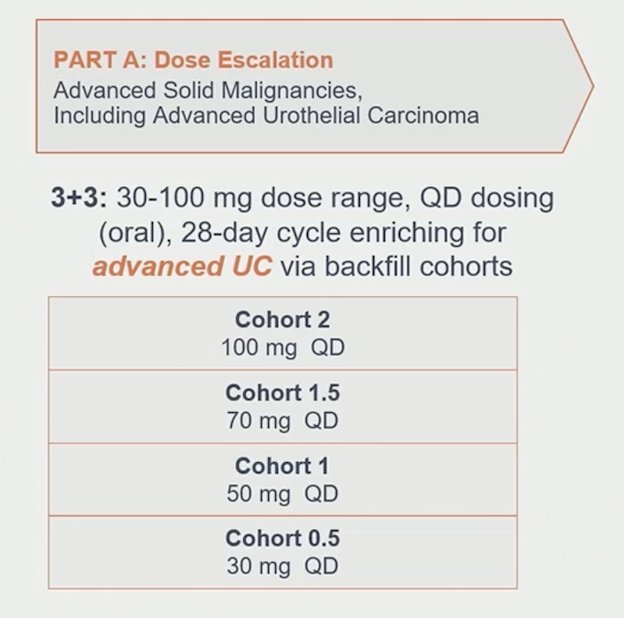
There were 56 patients enrolled in a phase 1A open-label dose escalation study (30-100 mg PO QD, 28-day cycles), including an additional 10 advanced urothelial carcinoma patients in 30 mg PO and 50 mg PO QD backfill cohorts:
Baseline archival tissue (<30 months old) or a fresh biopsy was collected for PPARG IHC (SP500 clone) and NGS correlative biomarker analysis. A provisional PPARG TPS cutoff was determined using linear regression modeling leveraging molecular real-world data (n = 2,609 advanced urothelial carcinoma patients, Tempus xT). Serial blood samples collected for ctDNA analysis.
As of November 10, 2025, 46 patients with advanced urothelial carcinoma have been treated across four dose levels: 30 mg (n = 17), 50 mg (n = 16), 70 mg (n = 11), and 100 mg (n = 2). The median age was 70 years (range: 44-86), 71.7% had an ECOG performance status 1, and 100% had metastatic urothelial carcinoma:
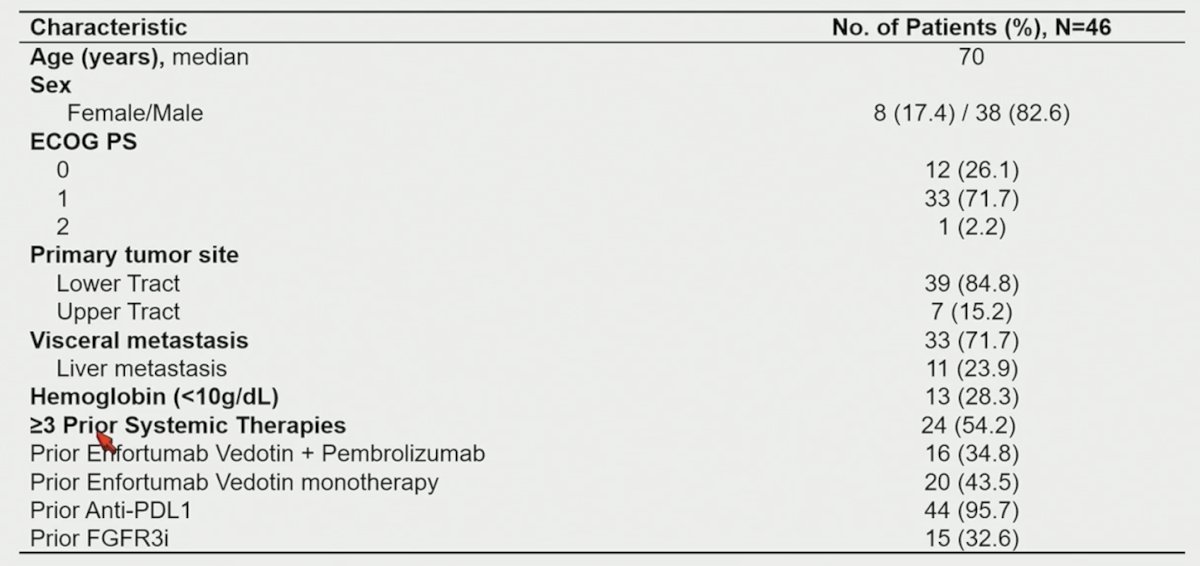
The median number of lines of prior therapy was 3 (range, 1-8), including prior enfortumab vedotin and anti-PD(L)1 treatment in 69.6%. At 30 mg and 50 mg doses, the most common ≥ grade 3 treatment related adverse events were anemia (18.9%), thrombocytopenia (16.2%), and fatigue (10.8%). Other common treatment emergent adverse events were diarrhea (32.4%), hypertriglyceridemia (27%), and hyperglycemia (24.3%):
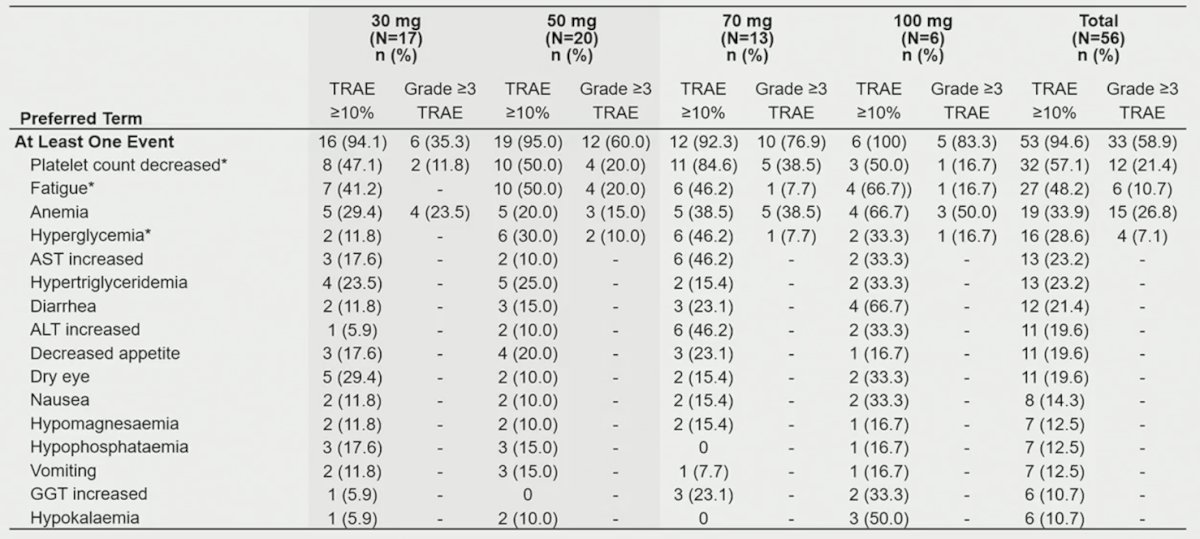
The 30 mg dose was associated with fewer grade 3 treatment related adverse events (35.3%), longer time to treatment related adverse events onset (52 days; range 44 - 85), and fewer dose interruptions (29.4%) and dose reductions (11.8%).
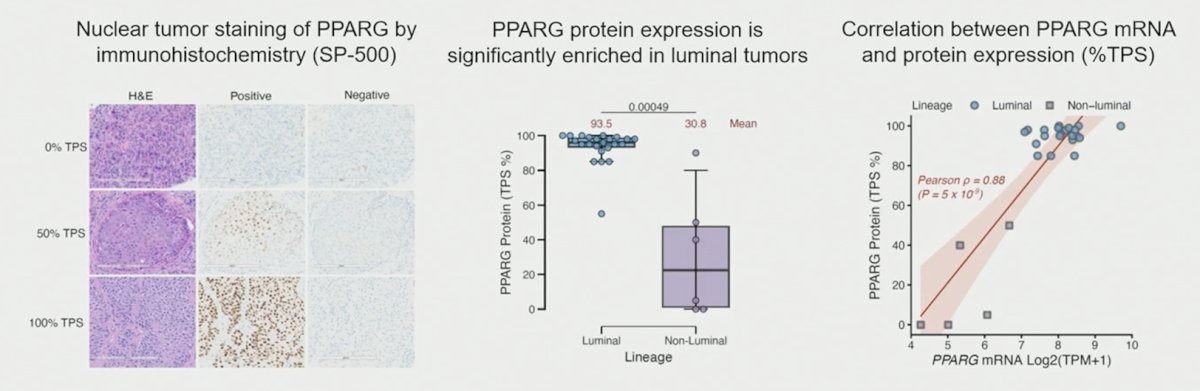
Concordance between PPARG mRNA and TPS (r = 0.88, p < 0.001) supported linear regression modeling, which inferred a provisional TPS cutoff of ≥60% (PPARG high):
Among 40 efficacy-evaluable advanced urothelial carcinoma patients, 35 had PPARG IHC results. There were 18/25 PPARG high patients showing tumor regressions, including 5 confirmed and 1 unconfirmed partial response:
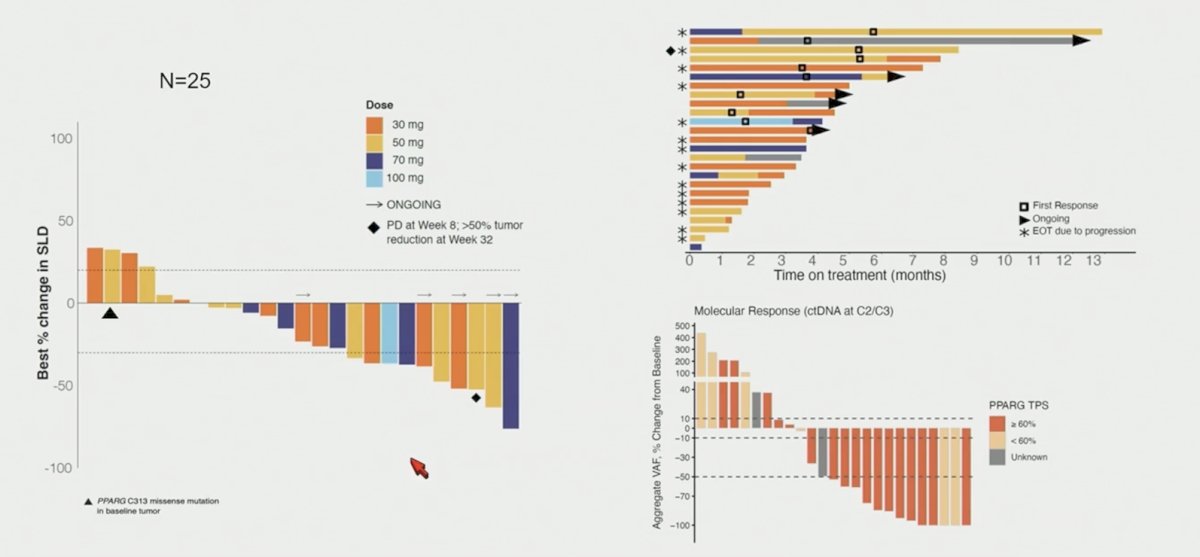
Decreases in ctDNA VAF occurred in 7/8 PPARG high patients with available results at cycle 2 (3 partial response, 3 stable disease). Dr. Galsky also highlighted the molecular and immune landscape of PPARG high tumors in the following heat map:
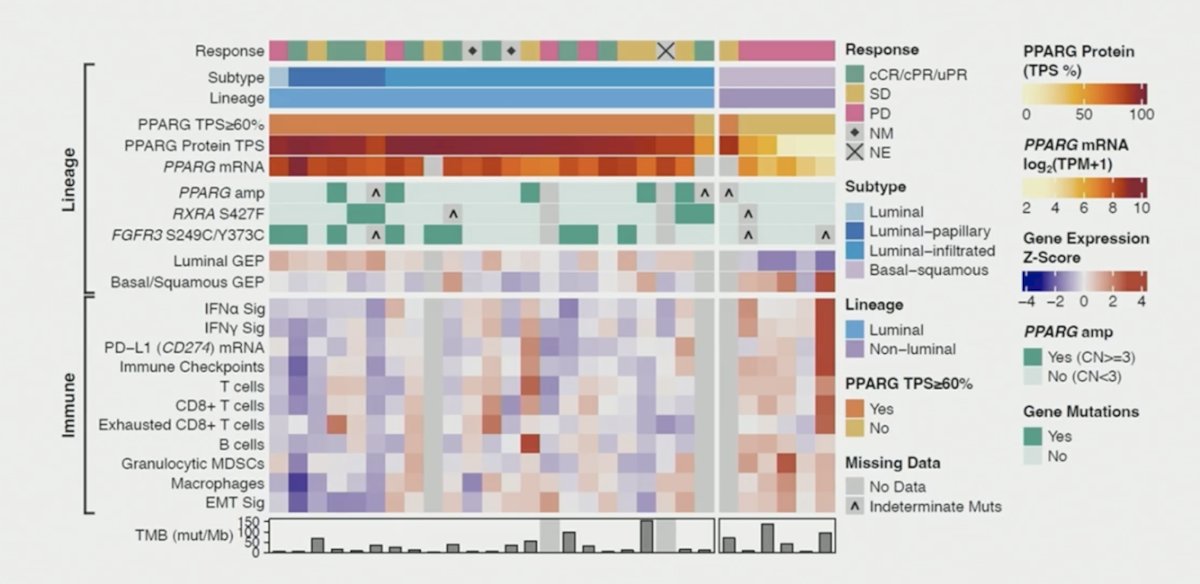
Dr. Galsky concluded his presentation discussing updated clinical results and associated biomarkers from an ongoing phase 1 study of FX-909 in patients with advanced urothelial carcinoma with the following take-home points:
- Phase 1 part A results establish FX-909 as the first pharmacological agent capable of effectively inhibiting PPARG in humans, with promising preliminary antitumor activity in heavily pretreated patients with advanced urothelial carcinoma, particularly in those with PPARG high tumors
- The acceptable safety profile, evidence of target engagement, and development of a future companion diagnostic strategy support continued development of this first-in-mechanism approach
- These findings validate PPARG as a therapeutic target in luminal urothelial carcinoma, positioning it alongside the androgen and estrogen receptors as successfully targeted nuclear receptors that serve as critical oncology targets
- The ongoing phase 1 part B expansion study is randomizing to 30 mg or 50 mg QD dose and limiting lines of prior therapy to further define the role of PPARG inverse agonism in the treatment of PPARG high advanced urothelial carcinoma (NCT05929235)
Following the conclusion of Dr. Galsky’s presentation, this phase 1 trial was concomitantly published in Nature Medicine.
Presented by: Matthew D. Galsky, MD, Tisch Cancer Institute, Icahn School of Medicine at Mount Sinai, New York, NY
Written by: Zachary Klaassen, MD, MSc – Urologic Oncologist, Associate Professor of Urology, Georgia Cancer Center, Wellstar MCG Health, @zklaassen_md on Twitter during the 2026 American Society of Clinical Oncology Genitourinary (ASCO GU) cancers symposium held in San Francisco, CA, between February 26th and 28th, 2026.
References:
- Soragni A, Knudsen ES, O’Connor TN, et al. Acquired resistance in cancer: towards targeted therapeutic strategies. Nat Rev Cancer. 2025 Aug;25(8):613-633.