

(UroToday.com) The 2026 ASCO annual meeting featured a urothelial carcinoma trials in progress session and a presentation by Dr. Vitaly Margulis discussing the ENLIGHTED phase 3 trial assessing advancing treatment of low-grade upper tract urothelial carcinoma with padeliporfin vascular targeted photodynamic therapy (VTP). Padeliporfin VTP has demonstrated safety and efficacy for upper tract urothelial carcinoma treatment in a phase 1 study. Padeliporfin VTP is a combination product of a drug, padeliporfin administered IV, and an optical fiber coupled laser emitting near-infrared light endoluminally to upper tract urothelial carcinoma tumors:
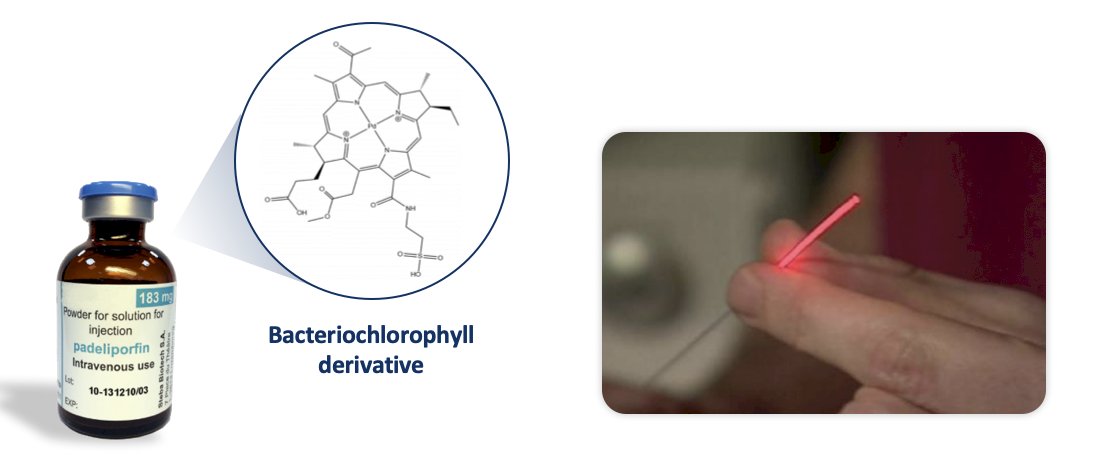
Upon light activation, padeliporfin triggers a cascade of pathophysiological events that have a strong impact on tumor vasculature, and consists of the following consecutive steps:
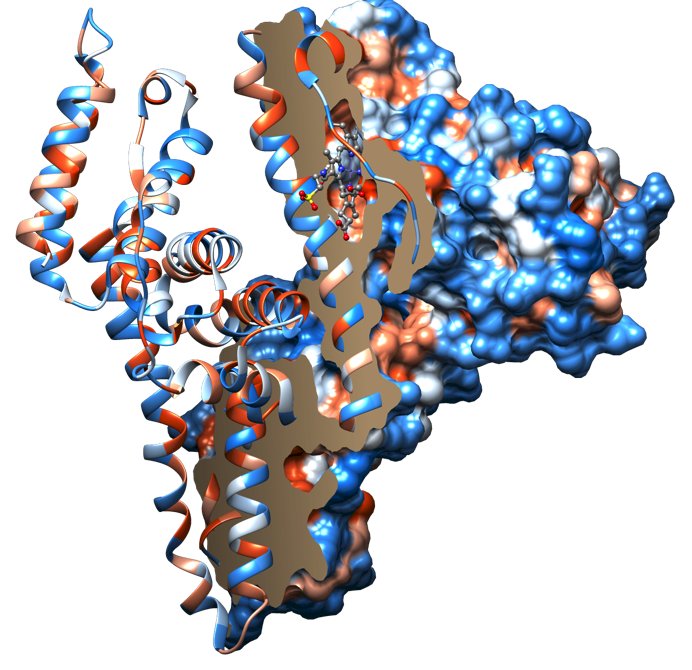
The oxygen radicals generated initiate local rapid vascular occlusion of the tumor
Self-propagating necrosis starting from vessels results in tumor collapse and complete tumor ablation
Image guided illumination of circulating TOOKAD®/SA generates oxygen radicals at site of illumination
Cell necrosis in TOOKAD® VTP triggers local inflammation and anti-tumor immunity
At ASCO 2026, Dr. Margulis and colleauges report interim efficacy and safety outcomes of Padeliporfin VTP for treatment of low grade upper tract urothelial carcinoma in ENLIGHTED.
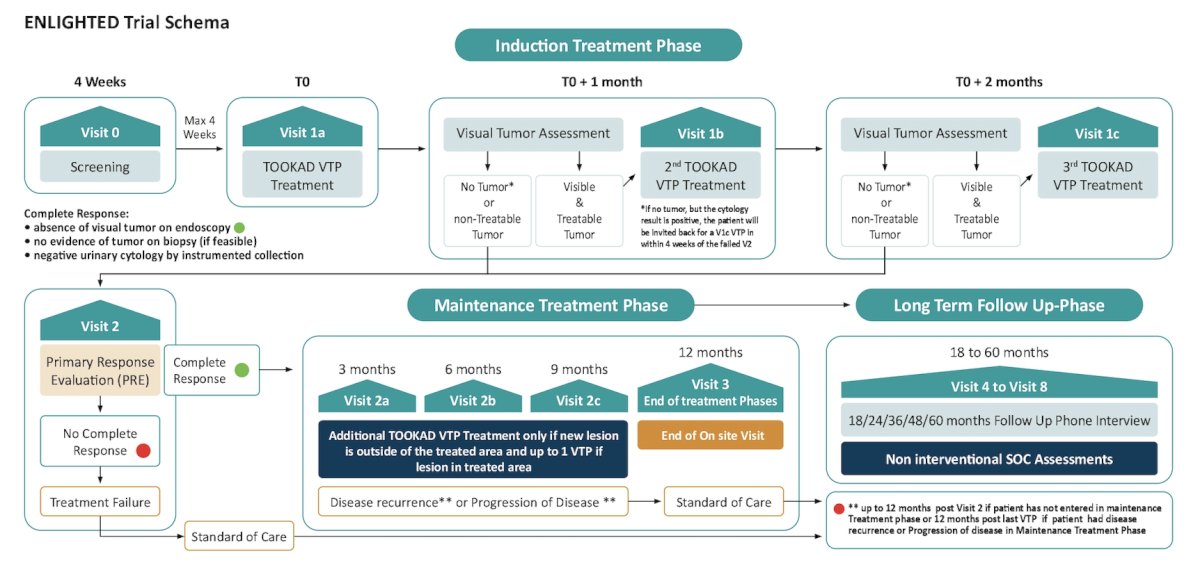
This is an open-label phase 3 study conducted in USA, European Union, and Israel. The key inclusion criteria are (i) up to 2 biopsy-proven low grade upper tract urothelial carcinoma with tumor index ≤15 mm in the kidney (≤20 mm in the ureter), and (ii) absence of high-grade cytology. VTP is performed via retrograde upper tract endoscopy, under anesthetic and low light conditions. Padeliporfin is injected IV and an optical fiber, 20-40 mm diffuser length, is positioned in proximity of the tumor through the scope. After Padeliporfin injection, the laser is activated for 10 min. Patients are treated in two phases: induction and maintenance treatment phases. The induction treatment phase consists of 1-3 VTPs provided at 4-week intervals until achieving complete response or treatment failure on primary response evaluation visit. The primary endpoint is complete response on endoscopic evaluation and negative instrumental cytology at the time of primary response evaluation (28 ± 3 days post last treatment) during induction treatment phase. Patients achieving complete response will proceed to maintenance treatment phases and be followed with endoscopic evaluation every 3 months, with VTP provided for recurrent tumors in the period up to 12 months. Patients completing maintenance treatment phase will be followed for additional 48 months for long-term outcomes:
A total of 100 patients are to be enrolled. As of April 20, 2026, 82 patients had been treated, and 72 completed the induction treatment phase. Response rates were: overall response 88%, complete response 70%, partial response 18%, disease recurrence 8%, and progressive disease 4%. There were 21 patients (42%) with complete response on the primary response evaluation who had already completed the maintenance phase. The median duration of response in the treated area was not reached and is >= 23.9 months, with a complete response rate of 85.7% with >= 12 months follow-up in the treated area.
The most frequent treatment emerged adverse events were: hematuria 10.7%, flank pain 6.6%, nausea 5.0%, procedural pain 2.8%, abdominal pain 2.5%, vomiting 2.8%, dysuria 3.5%, fatigue 2.8%, UTI 2.2% (all grade 1–2, median duration 5 days). There were 29 (9.1%) reported serious adverse events occurring in 19 patients (23.2%), and most were unrelated to VTP. Two patients experienced a grade 3 serious adverse event (renal colic and flank pain related solely to VTP), which resolved within 2 days.
Dr. Margulis concluded this presentation of updated safety and efficacy from the ENLIGHTED trial with the following concluding statements:
- Padeliporfin VTP has demonstrated a favorable safety and efficacy profile, with preliminary results consistent with prior clinical experience
- Recruitment for the ENLIGHTED phase 3 trial is ongoing
- The final study outcomes are expected to support regulatory approval of a novel, organ-preserving therapy for patients with low grade upper tract urothelial carcinoma
Presented by: Vitaly Margulis, MD, UT Southwestern Medical Center, Dallas, TX
Written by: Zachary Klaassen, MD, MSc – Urologic Oncologist, Associate Professor of Urology, Georgia Cancer Center, Wellstar MCG Health, @zklaassen_md on Twitter during the American Society of Clinical Oncology Genitourinary (ASCO) Annual Meeting held in Chicago, IL between May 29th and June 1st, 2026