

(UroToday.com) The 2026 American Society of Clinical Oncology Genitourinary (ASCO) Annual Meeting held in Chicago, IL, was host to the Prostate, Testicular, and Penile Cancer - Rapid Oral Abstracts Session. Dr. Tanya B. Dorff presented abstract 5014: A phase 1, first-in-human study evaluating the safe, pharmacokinetics, and efficacy of ABBV-969 in patients with metastatic castration resistant prostate cancer (mCRPC).
Dr. Dorff began by highlighting the biologic heterogeneity of prostate cancer and noting that multiple therapeutic targets exist in mCRPC, including PSMA and STEAP1. She emphasized that a substantial proportion of tumors may be missed when targeting only a single antigen, providing the rationale for the development of ABBV-969, a first-in-class antibody-drug conjugate designed to target both PSMA and STEAP1 simultaneously.
She explained that both PSMA and STEAP1 are overexpressed in the majority of mCRPC tumors, although expression can be heterogeneous. ABBV-969 was developed as a dual-variable domain immunoglobulin capable of binding cells expressing PSMA and/or STEAP1, allowing broader tumor targeting across heterogeneous disease states. The agent is rapidly internalized following binding and delivers a cytotoxic topoisomerase-1 inhibitor payload. Importantly, dual targeting was designed to potentially expand therapeutic benefit to a larger patient population compared with single-antigen approaches alone.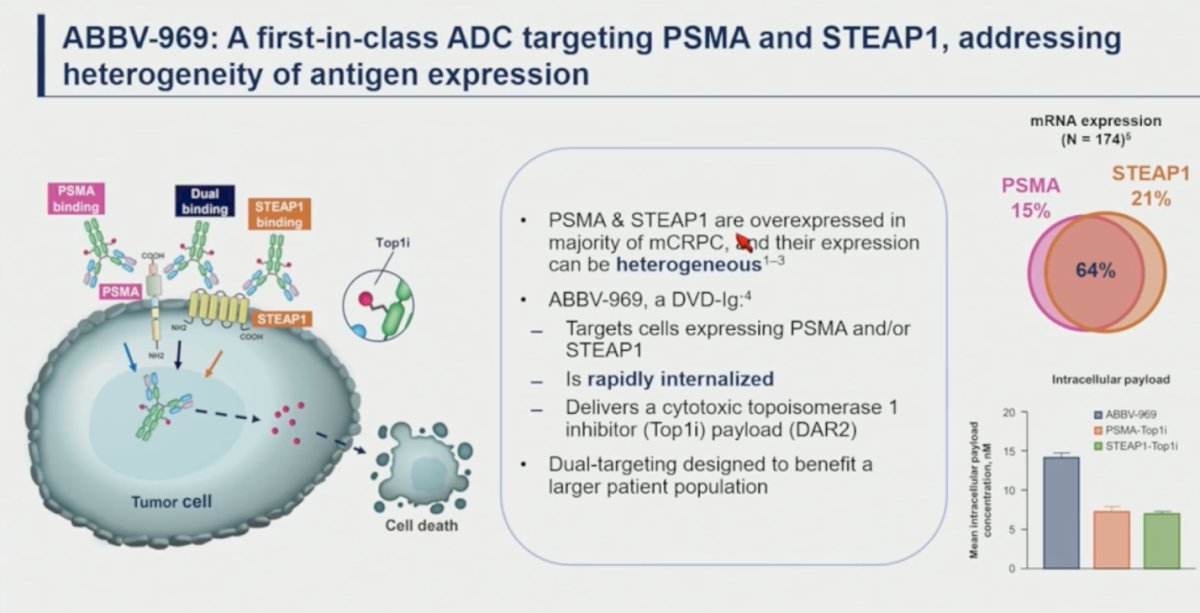
Eligible patients were required to have adenocarcinoma of the prostate, prior exposure to at least one ARPI and one taxane, serum PSA ≥1.0 ng/mL, testosterone ≤50 ng/dL, at least one metastatic lesion at baseline, ECOG performance status 0–1, and hemoglobin ≥9 g/dL. Importantly, enrollment was biomarker-unselected.
The dose-escalation cohort included 49 patients treated with intravenous ABBV-969 every 3 weeks across escalating dose levels ranging from 1 mg/kg to 12.5 mg/kg. The primary objectives included assessment of adverse events, serious adverse events, dose-limiting toxicities, and PSA response, while key secondary endpoints included RECIST responses, survival outcomes, pharmacokinetics, pharmacodynamics, and biomarkers of response as summarized below: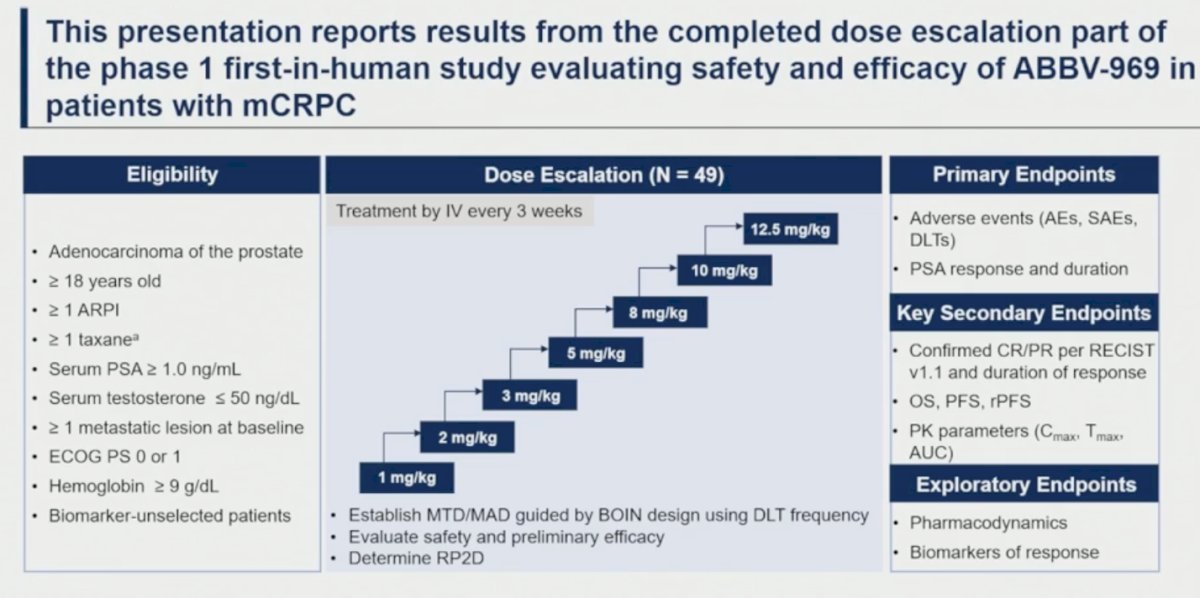
The study population consisted of heavily pretreated patients with mCRPC who had progressed on prior taxanes, ARPIs, and, in many cases, PSMA-targeted radioligand therapy. Median age was 71 years, median PSA was 74 μg/L, and patients had received a median of 5 prior lines of therapy. Most patients had ECOG performance status 1 (67.3%), and the median follow-up was 13.7 months.
Notably, prior treatment exposure was extensive, with the majority of patients previously receiving two or more ARPIs. Overall, 83.7% had received prior docetaxel, 55.1% prior LuPSMA therapy, 38.8% cabazitaxel, and 20.4% PARP inhibitors. Bone metastases were present in 87.8% of patients, including 44.9% with bone-only disease. Lymph node metastases were observed in 40.8%, while visceral metastases included liver involvement in 16.3%, lung metastases in 14.3%, and adrenal metastases in 4.1% of patients.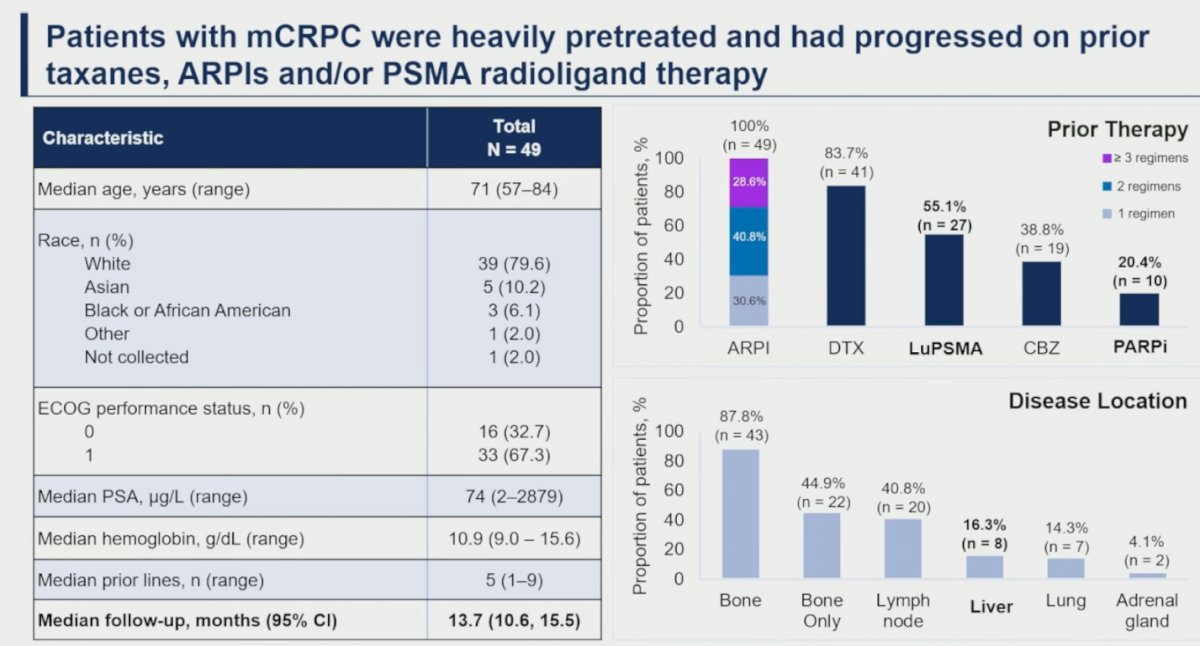
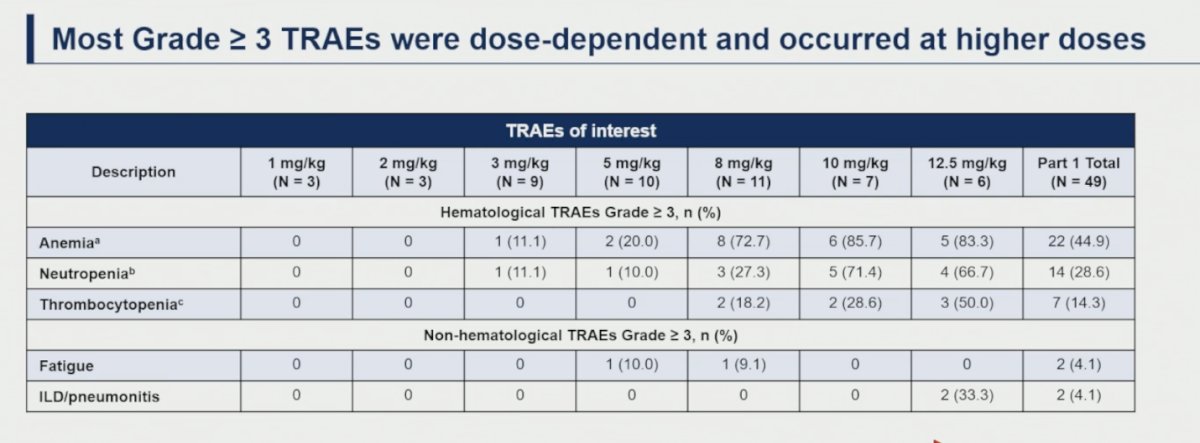
Treatment-related adverse events were common but generally manageable in this heavily pretreated population. Hematologic toxicities appeared dose-dependent, with higher frequencies observed at higher dose levels. Anemia was the most common hematologic TRAE, occurring in 59% of patients across all grades. Importantly, despite a relatively low median baseline hemoglobin of 10.9 g/dL in the study population, no grade 4/5 anemia events were reported, and no patients discontinued treatment due to anemia, with events largely managed through supportive care and dose modifications.
Fatigue was the most common non-hematologic TRAE, occurring in 53% of patients across all grades. Overall, grade ≥3 TRAEs were observed in 46.9% of patients, while serious treatment-related adverse events occurred in 8.2%. TRAEs led to dose interruptions in 36.7% and dose reductions in 32.7% of patients, although treatment discontinuation due to TRAEs was uncommon (4.1%).
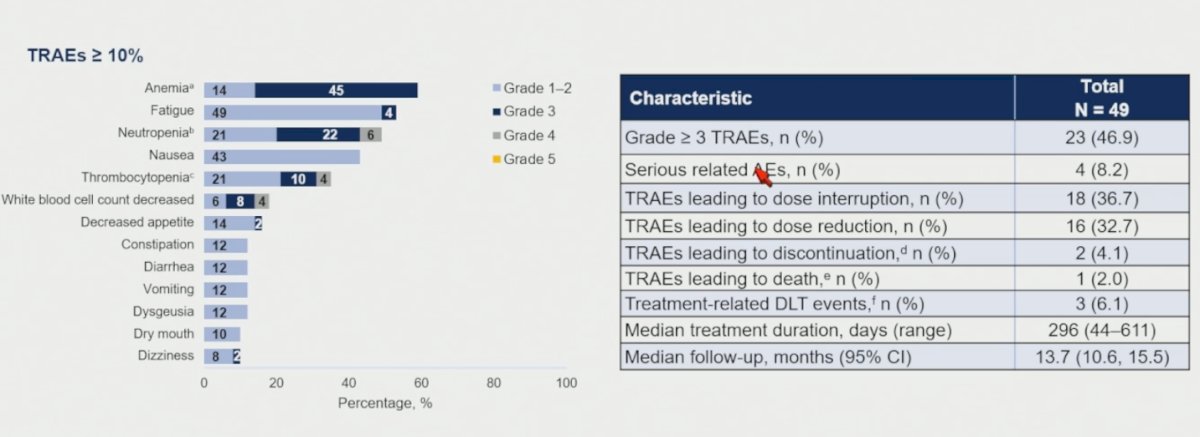
Grade ≥3 TRAEs were predominantly hematologic and clearly dose-dependent, with higher frequencies observed at escalating dose levels. Rates of grade ≥3 anemia increased from 11.1% at 3 mg/kg to 72.7%, 85.7%, and 83.3% at the 8, 10, and 12.5 mg/kg dose levels, respectively. Similarly, grade ≥3 neutropenia and thrombocytopenia were primarily observed at higher dose cohorts.
Importantly, despite a median baseline hemoglobin of only 10.9 g/dL, no grade 4/5 anemia events were reported. Non-hematologic grade ≥3 toxicities were relatively uncommon. Notably, there were no grade ≥3 nausea or dry mouth events at any dose level. Adjudicated ILD/pneumonitis occurred only at the highest dose cohort (12.5 mg/kg), which is no longer being evaluated, supporting the tolerability of lower dose levels moving forward.
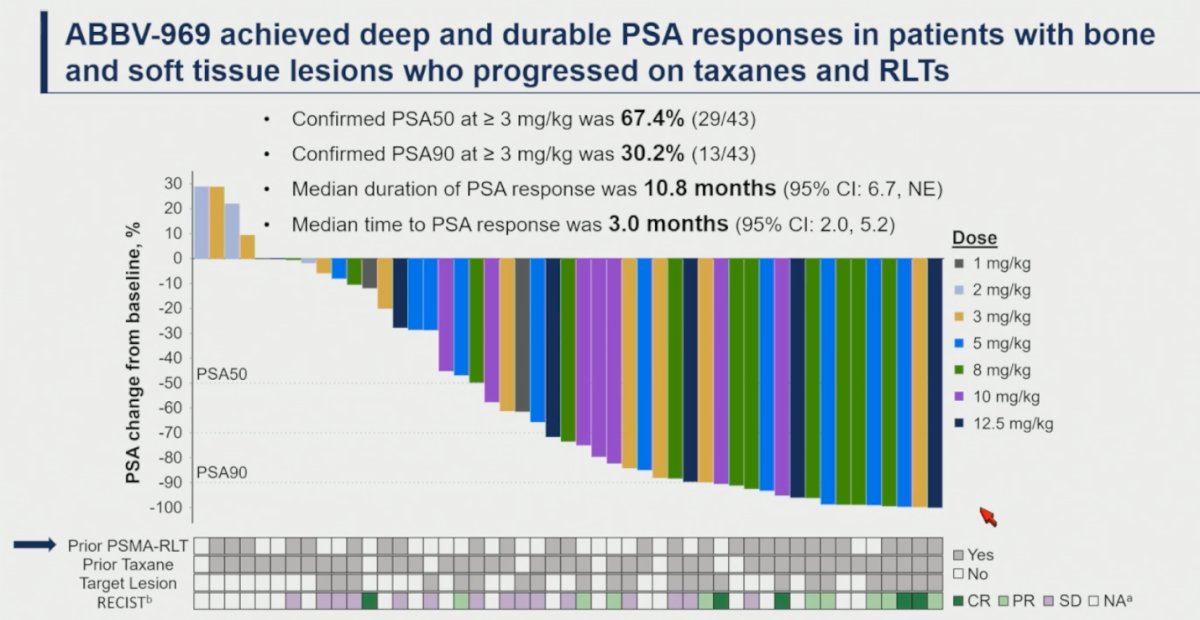
Encouraging antitumor activity was observed across dose levels ≥3 mg/kg. Confirmed PSA50 responses were achieved in 67.4% of patients (29/43), while confirmed PSA90 responses were observed in 30.2% (13/43). Responses appeared durable, with a median duration of PSA response of 10.8 months (95% CI, 6.7–NE), and the median time to PSA response was 3.0 months (95% CI, 2.0–5.2). Importantly, PSA responses were observed regardless of prior radioligand therapy exposure, supporting potential activity even in heavily pretreated patients previously exposed to LuPSMA.
Radiographic activity with ABBV-969 was encouraging across dose levels. The confirmed objective response rate was 44.8%, including complete responses in 17.2% and partial responses in 27.6% of evaluable patients. Responses were durable, with a median duration of response of 11.0 months (95% CI, 5.7–NE). Importantly, responses were observed in patients with liver, lung, and lymph node metastases. Median radiographic progression-free survival across all treated patients was 15.3 months (95% CI, 9.8–NE), supporting meaningful antitumor activity in patients previously exposed to ARPIs, taxanes, and radioligand therapy.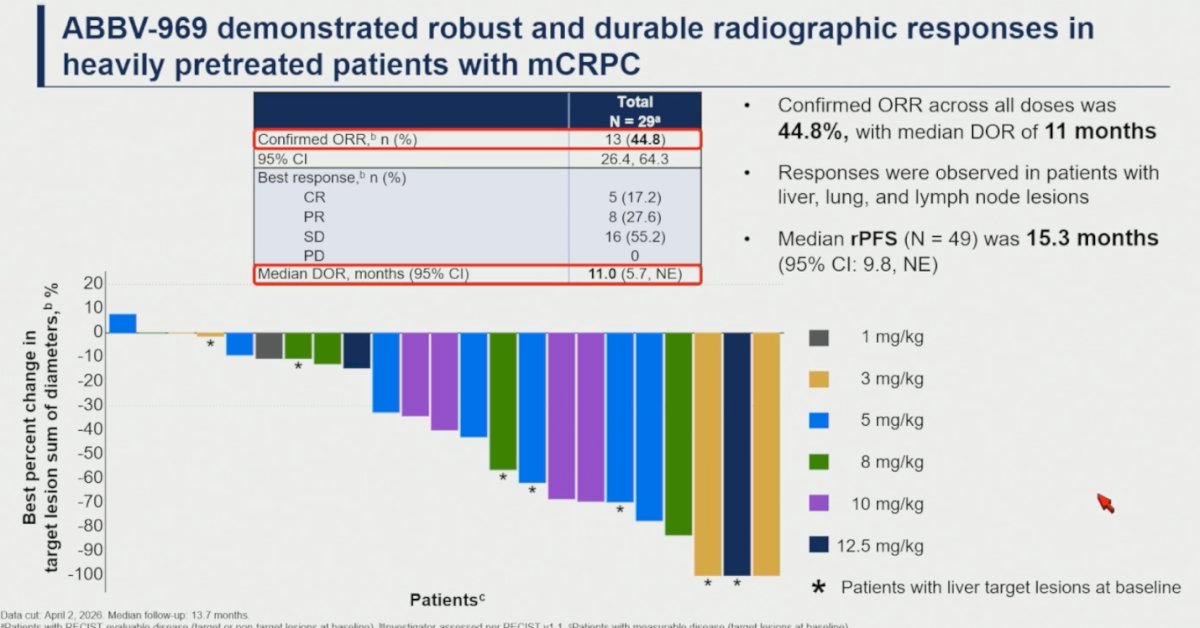
Dr. Dorff wrapped up her presentation with the following key takeaways:
- ABBV-969 demonstrated a manageable safety profile, with treatment-related adverse events consisting primarily of hematologic and gastrointestinal toxicities.
- ABBV-969 showed promising antitumor activity, including deep and durable PSA responses at dose levels ≥3 mg/kg, with PSA50 responses observed in 67% and PSA90 responses in 30% of patients.
- Confirmed objective response rate was 45%, including responses in patients with liver metastases.
- Median radiographic progression-free survival was 15.3 months (95% CI, 9.8–NE) in this biomarker-unselected population previously exposed to taxanes and/or PSMA radioligand therapy.
- The dose-escalation results support continued clinical development of ABBV-969 in mCRPC, with ongoing dose optimization efforts.
Presented by: Tanya Dorff, MD, Medical Oncologist, Professor of Medicine, Department of Medical Oncology & Therapeutics Research, Division Chief of the Genitourinary Cancer Program, City of Hope, Duarte, CA
Written by: Julian Chavarriaga, MD, Clinical Assistant Professor, Urologic Oncologist, Department of Urology at Penn State Health @chavarriagaj on X during the American Society of Clinical Oncology Genitourinary (ASCO) Annual Meeting held in Chicago, IL between May 29th and June 1st, 2026
Related content: ABBV-969, a Dual-Targeted PSMA-STEAP1 ADC in Heavily Pretreated mCRPC - Tanya Dorff