

(UroToday.com) The 2025 ASCO annual meeting featured a prostate cancer session and a presentation by Dr. Oliver Sartor discussing long-term safety of radium-223 in metastatic castration-resistant prostate cancer (mCRPC) in REASSURE, 7-year follow-up from the largest global prospective study. Radium-223, an alpha-emitting radionuclide, is the first agent of its kind approved for the treatment of mCRPC. Although a pivotal phase 3 study evaluated its short-term safety,1 there is a need to investigate its long-term safety. The REASSURE study prospectively examined the long-term safety of radium-223, including secondary primary malignancies, in a large patient population enrolled across Europe, the United States, Israel, and Latin America. At the ASCO 2025 annual meeting, Dr. Sartor reported the final analyses (data cut-off October 24, 2024) of REASSURE, a global, non-interventional study (enrolment 2014–2017).
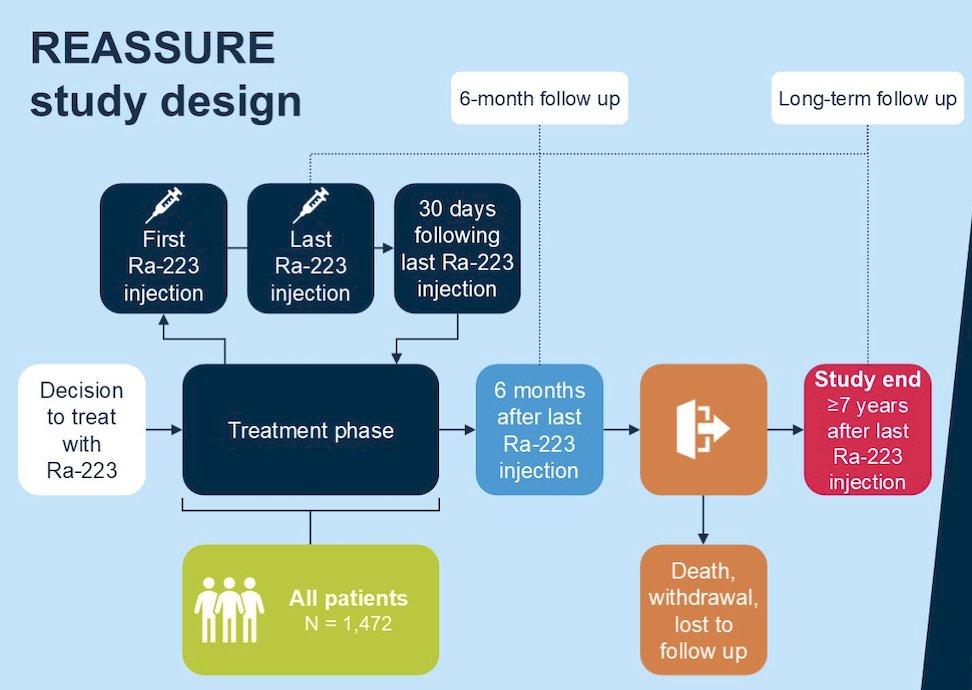
The primary outcomes in REASSURE were the incidence of secondary primary malignancies, short- (30 days) and long-term (7 years) safety events, and bone marrow suppression management in patients who had ≥1 radium-223 dose. Secondary outcomes included overall survival. The study design is as follows:
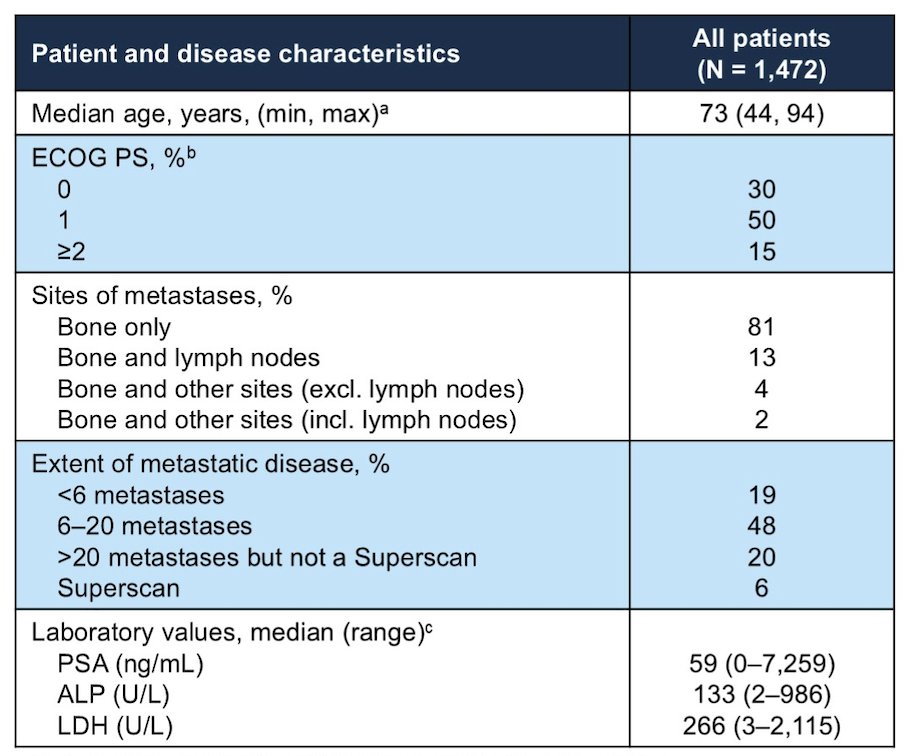
The analyses included 1,472 patients with a median follow-up of 17 months (range 0.3–95.4). The median age was 73 years and 80% of patients had an ECOG performance status of 0 or 1. In evaluable patients, median alkaline phosphatase, PSA, and lactate dehydrogenase levels were 133 U/L, 59 ng/mL, and 266 U/L, respectively. Overall, 81% of patients had bone-only metastases at baseline, and 19% of patients had metastases in the bone plus other sites (mostly lymph nodes):
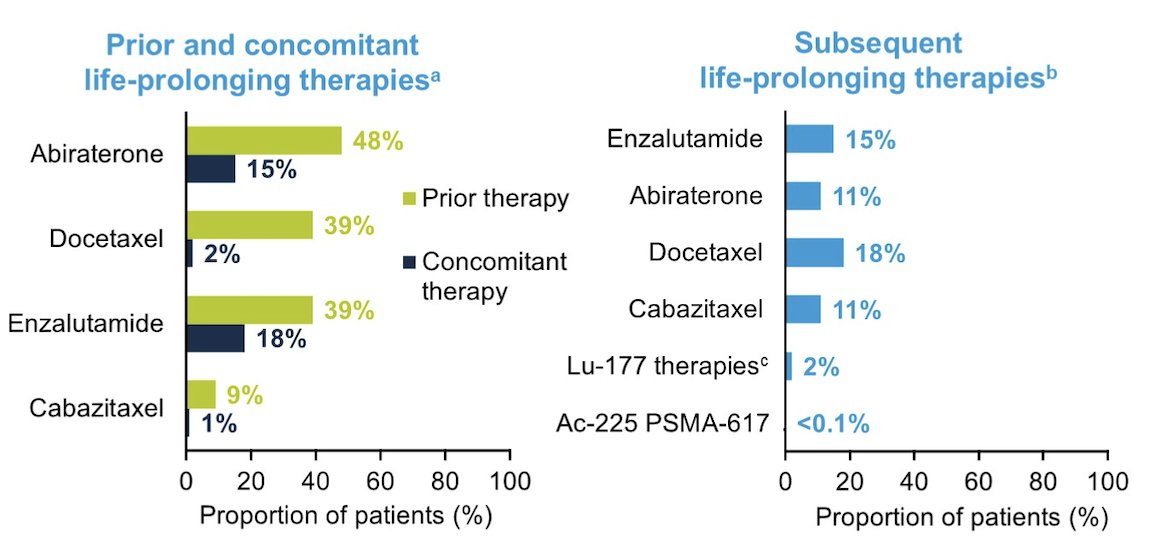
Prior treatments included abiraterone (48% of patients), enzalutamide (39%), docetaxel (39%), and cabazitaxel (9%). Patients received a median of 6 radium-223 doses and 67% received ≥5 doses. Secondary primary malignancies occurred in 2% of patients (25 secondary primary malignancies in 24 patients). The most common types were skin (n = 5), lung (n = 5), and bladder (n = 4). Of these patients, 16 (67%) and 1 (4%) had received prior or concomitant radiotherapy, respectively:

Overall, any adverse event was observed in 50% of patients, and 6% of patients had drug-related serious adverse events >30 days after completing radium-223:

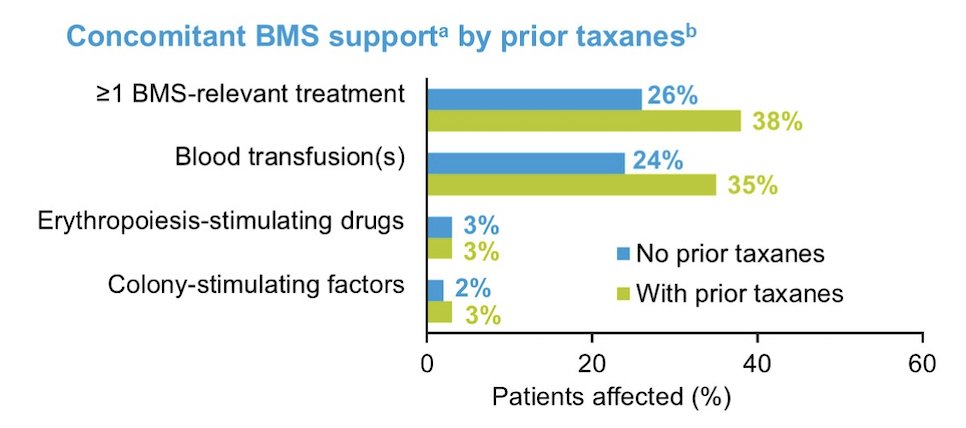
Fractures were reported in 10% of patients and were less common in patients with (7% of 605) than without (12% of 867) concomitant bone health agent use. During radium-223 and up to 30 days after the last dose, there was no notable difference in the incidence of abnormal platelet counts between patients with (3%) or without (2%) prior chemotherapy, and similar findings were seen for abnormal neutrophil counts (5% and 5%, respectively). Bone marrow suppression treatments, assessed from the start of radium-223, were more common in patients who had received prior taxanes (38%) than in those who had not (26%):
The most common life-prolonging therapies received after radium-223 were docetaxel (18%), enzalutamide (15%), abiraterone (11%), and cabazitaxel (11%):
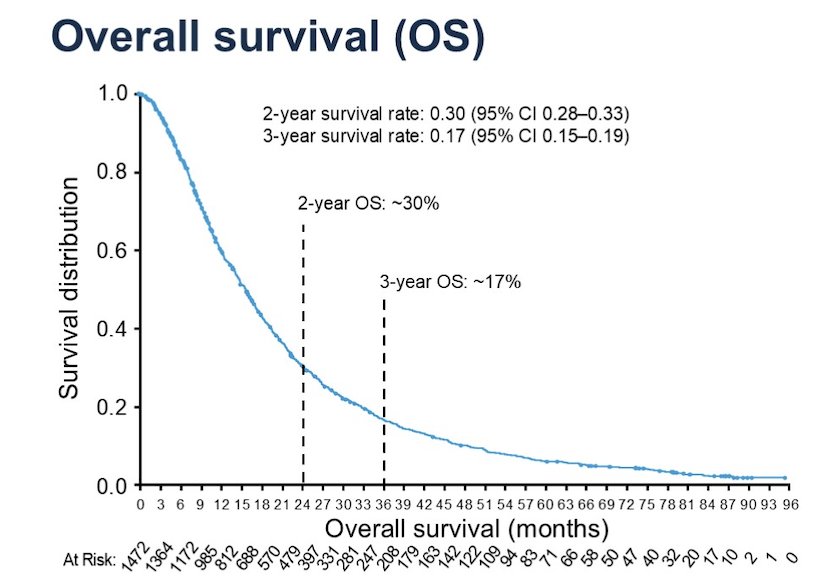
The median overall survival was 15.6 months (95% CI, 14.6 to 16.4), with an estimated 2 year overall survival rate of 30% and 3 year rate of 17%:
Dr. Sartor concluded his presentation discussing long-term safety of radium-223 in mCRPC in the REASSURE study with the following take home points:
- The REASSURE study represents the longest follow-up of a radionuclide therapy reported to date and supports the well-established favorable safety profile of radium-223
- The incidence of secondary primary malignancies was low
- The rate of fractures in this real-world setting was low, notably with the use of concomitant bone protective agents
- Hematological values were not significantly impaired by prior treatment with taxanes
- The median overall survival observed was consistent with other real world studies
Presented by: A. Oliver Sartor, MD, Mayo Clinic, Rochester, MN
Written by: Zachary Klaassen, MD, MSc – Urologic Oncologist, Associate Professor of Urology, Georgia Cancer Center, Wellstar MCG Health, @zklaassen_md on Twitter during the American Society of Clinical Oncology (ASCO) 2025 Annual Meeting, Chicago, IL, Fri, May 30 – Tues, Jun 3, 2025
References:
- Parker C, Nilsson S, Heinrich D, et al. Alpha emitter radium-223 and survival in metastatic prostate cancer. N Engl J Med 2013;369(3):213-223.