

(UroToday.com) The 2025 American Society of Clinical Oncology (ASCO) Annual Meeting held in Chicago, IL between May 30th and June 3rd, 2025, was host to a biomarkers in kidney cancer session. Dr. Rathmell discussed whether we are there yet’ with regards to biomarkers in kidney cancer.
Biomarkers define kidney tumors – but can we define biomarkers? Biomarkers encompass a wide range of features, including:
- Genomic or proteomic tumor characteristics
- Radiomic features (CT, MRI, PET, US)
- Liquid biopsy
What can we do with this information?
- Biomarkers are essential for defining subsets of kidney tumors for sophisticated diagnostic and prognostic care
- Emerging biomarkers are actively being tested in clinical studies to enable us to direct therapy based on patient and tumor biological features
- The future will take understandings of biomarkers to enable risk assessment, early detection, and, ultimately, prevention.
If we look back at 2015, we can really appreciate how far we have come with biomarkers in kidney cancer. In 2016, the Carbonic Anhydrase 9 (CA-IX) antigen was an emerging biomarker in clear cell RCC. We now have numerous studies, notably the ZIRCON trial,1 that have evaluated this cell surface antigen as a diagnostic and theranostic target in clear cell RCC patients. In 2016, we had just seen the emergence of papillary RCC subtyping (types I, IIa, IIb).2
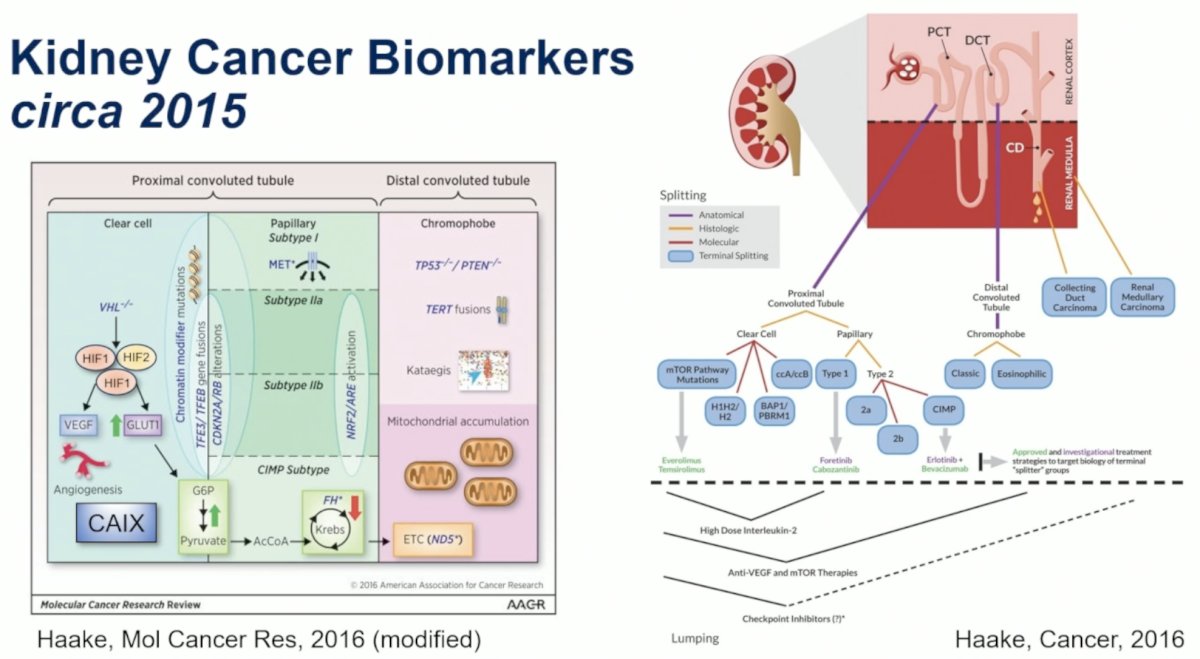
In patients with clear cell RCC, specifically, we have seen the emergence of numerous treatment options, including VEGFR-TKIs, checkpoint inhibitors, HIF-2α inhibitors, and mTOR inhibitors. How can biomarkers help with treatment selection for these patients?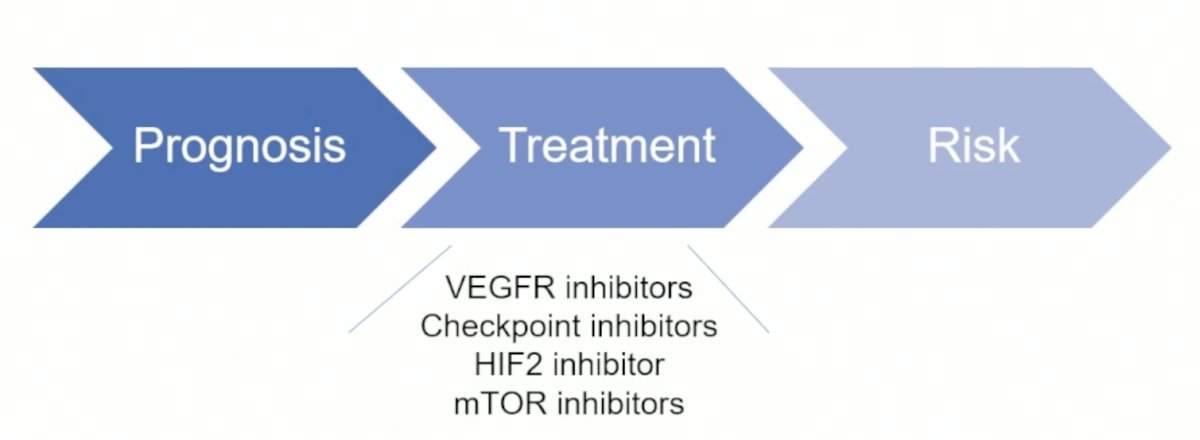
Biomarkers have clearly been incorporated into subtyping RCC patients (e.g., clear cell versus papillary, Fumarate Hydratase [FH] deficiency, Xp11, RMC, chromophobe). However, the predictive utility of this subtyping remains unclear. While metastatic RCC patients with sarcomatoid features may preferentially benefit from IO-IO combinations, other subtyping (e.g., ccA/ccB) and clear cell features (e.g., VHL status, CD31, HIF1/HIF2, CA-IX, Glut1) have yet to yield predictive benefits. Integrated models, such as the MSKCC and IMDC (International Metastatic RCC Database Consortium), have been widely adopted for risk stratifying and selecting treatment for metastatic RCC patients.
![Biomarkers have clearly been incorporated into subtyping RCC patients (e.g., clear cell versus papillary, Fumarate Hydratase [FH] deficiency, Xp11, RMC, chromophobe). However, the predictive utility of this subtyping remains unclear. While metastatic RCC patients with sarcomatoid features may preferentially benefit from IO-IO combinations, other subtyping (e.g., ccA/ccB) and clear cell features (e.g., VHL status, CD31, HIF1/HIF2, CA-IX, Glut1) have yet to yield predictive benefits. Integrated models, such as the MSKCC and IMDC (International Metastatic RCC Database Consortium), have been widely adopted for risk stratifying and selecting treatment for metastatic RCC patients.](/images/com-doc-importer/217-asco-2025/asco-2025-biomarkers-in-kidney-cancer-are-we-there-yet/image-2.jpg)
What lessons can be learned from other cancers? While PD-L1 expression, tumor mutational burden (TMB), and microsatellite instability high (MSI-H) have shown prognostic/predictive utility in other disease sites, they have not been shown to be helpful, to date, in kidney cancer.
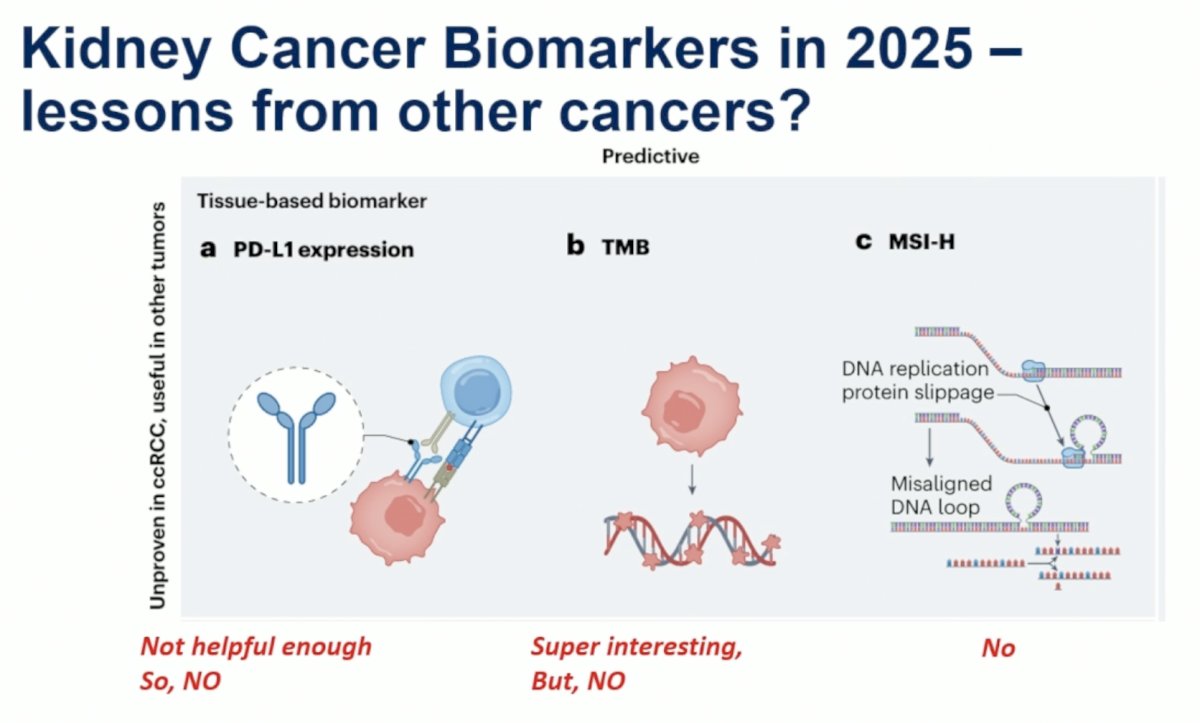
Nonetheless, emerging biomarkers in 2025, include:
- Sarcomatoid biology
- Gene-expression signature (GES)
- Single cell RNA sequencing (scRNA-seq)
- Spatial biology
- ERV expression
- Genomic mutations
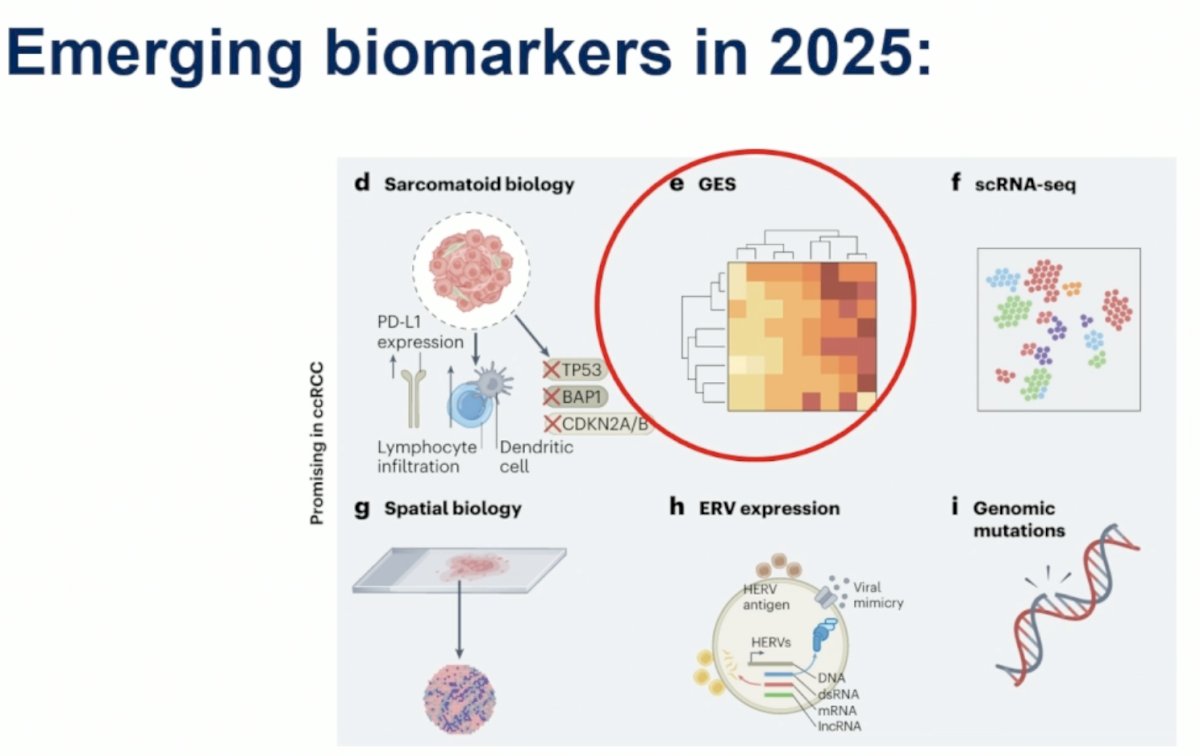
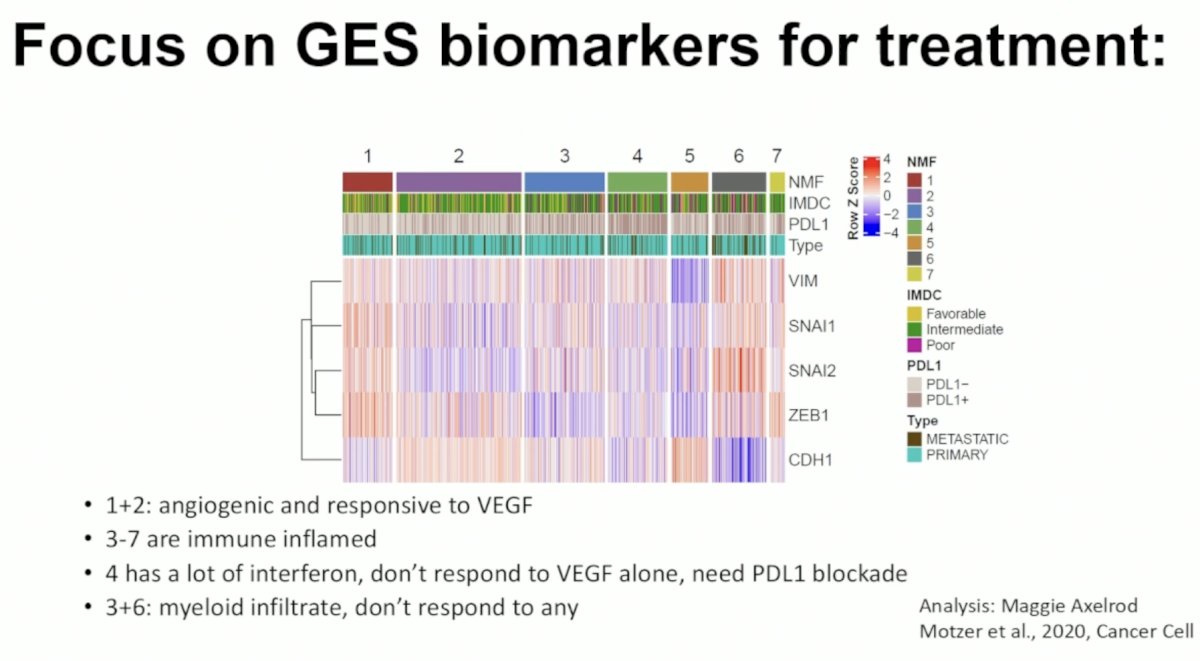
Dr. Rathmell next focused on GES biomarkers with 7 molecular subsets described by Motzer et al in 2020:3
- 1 & 2: Angiogenic and responsive to VEGF
- 3–7: Immune inflamed
- 4: Has a lot of interferon, does not respond to VEGF alone, and needs PD-L1 blockade
- 3 & 6: Myeloid infiltrate, does not respond to VEGFR-TKIs or PD-L1 blockade
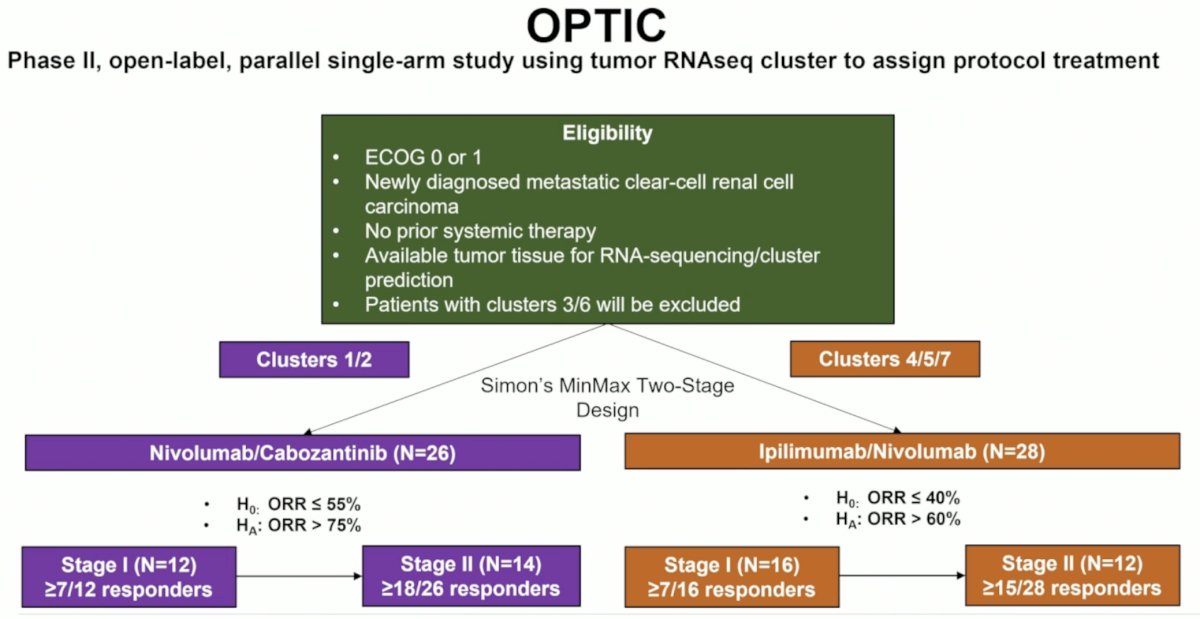
The phase II OPTIC (NCT05361720) RCC study will test the utility of these RNA-seq based biomarkers to assign treatment based on biologic drivers relevant to angiogenesis (nivolumab/cabozantinib) and the immune microenvironment (ipilimumab/nivolumab). Clusters 1 and 2 will receive nivolumab + cabozantinib (IO + VEGFR-TKI), whereas patients in Clusters 4, 5, and 7 will receive ipilimumab + nivolumab (IO-IO).
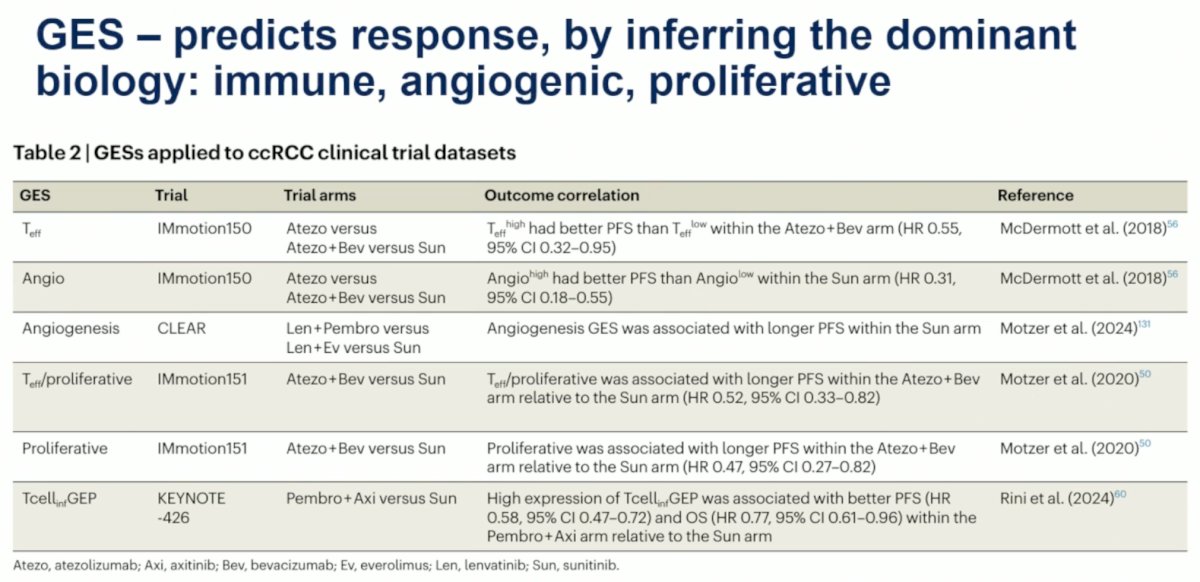
Overall, GES predicts response, by inferring the dominant biology – immune, angiogenic, or proliferative – as has been evaluated in numerous studies:
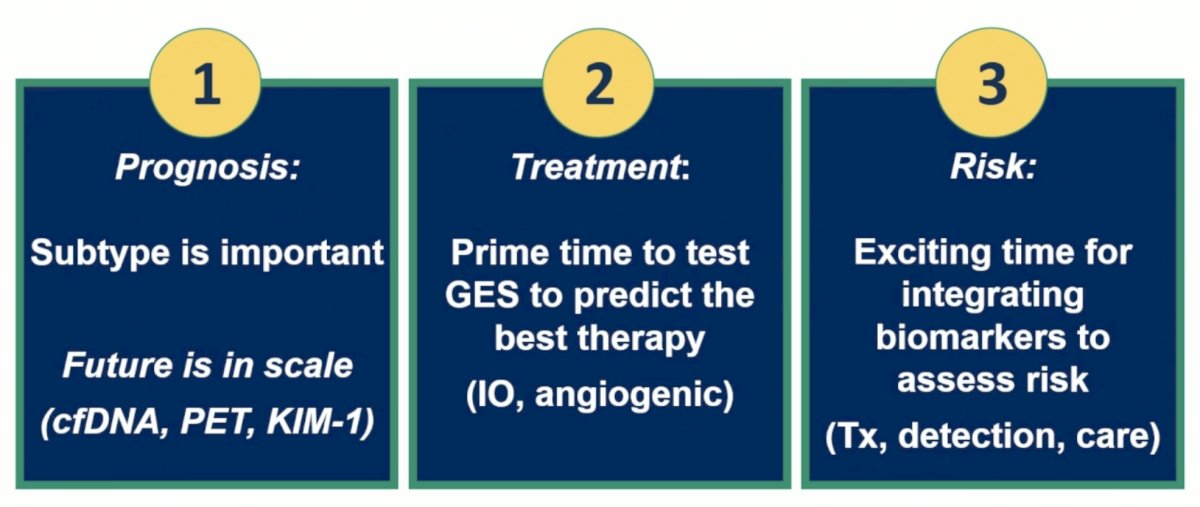
Dr. Rathmell concluded as follows with regards to biomarkers in kidney cancer:
Presented by: W. Kimryn Rathmell, MD, PhD, Professor and Chair, Department of Medicine; Director, Division of Hematology and Oncology; Professor of Biochemistry; Hugh J. Morgan Chair in Medicine, Vanderbilt University Medical Center, Nashville, TN
Written by: Rashid K. Sayyid, MD, MSc – Robotic Urologic Oncology Fellow at The University of Southern California, @rksayyid on Twitter during the American Society of Clinical Oncology (ASCO) 2025 Annual Meeting, Chicago, IL, Fri, May 30 – Tues, Jun 3, 2025.
References:- Shuch B, Pantuck AJ, Bernhard JC, Morris MA, Master V, Scott AM, et al. [89Zr]Zr-girentuximab for PET–CT imaging of clear-cell renal cell carcinoma: a prospective, open-label, multicentre, phase 3 trial. Lancet Oncol. 2024;25(10):1277–87.
- Haake SM, Rathmell WK. Renal cancer subtypes: should we be lumping or splitting for therapeutic decision making? Cancer. 2017; 123(2):200–9.
- Motzer RJ, Banchereau R, Hamidi H, Powles T, McDermott D, Atkins MB, et al. Molecular subsets in renal cancer determine outcome to checkpoint and angiogenesis blockade. Cancer Cell. 2020; 38(6):803–817.e4.