

(UroToday.com) The 2025 American Society of Clinical Oncology (ASCO) Annual Meeting held in Chicago, IL between May 30th and June 3rd, 2025, was host to a kidney and bladder cancers poster session. Dr. Ilya Tsimafeyeu presented VOLGA 2, a randomized phase II trial of the efficacy and safety of stereotactic body radiation therapy (SBRT) in patients with metastatic, oligoprogressive urothelial carcinoma on maintenance therapy with avelumab.
For metastatic urothelial carcinoma (mUC) with multiple metastases, platinum-based chemotherapy followed by maintenance avelumab remains a popular 1st line treatment option.1,2
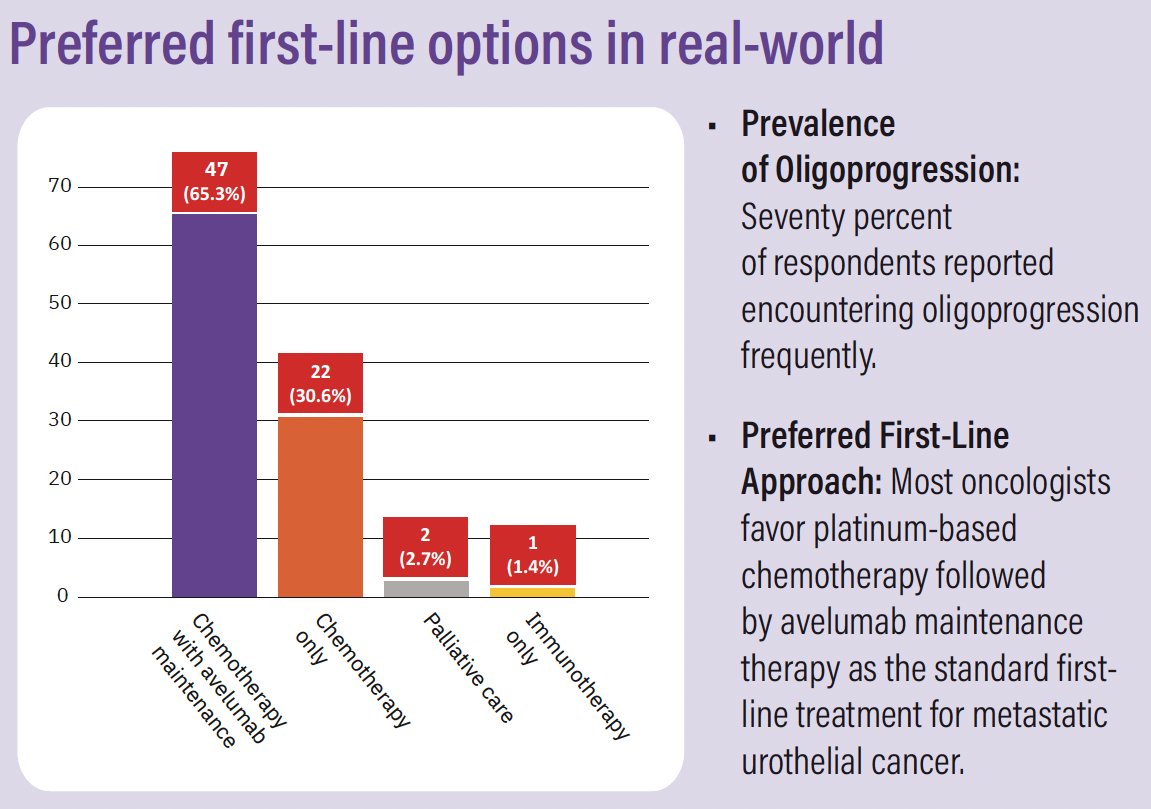
Despite this approach, disease progression occurs in approximately half of patients at a median of 5.5 months, often requiring a switch to second-line therapy.
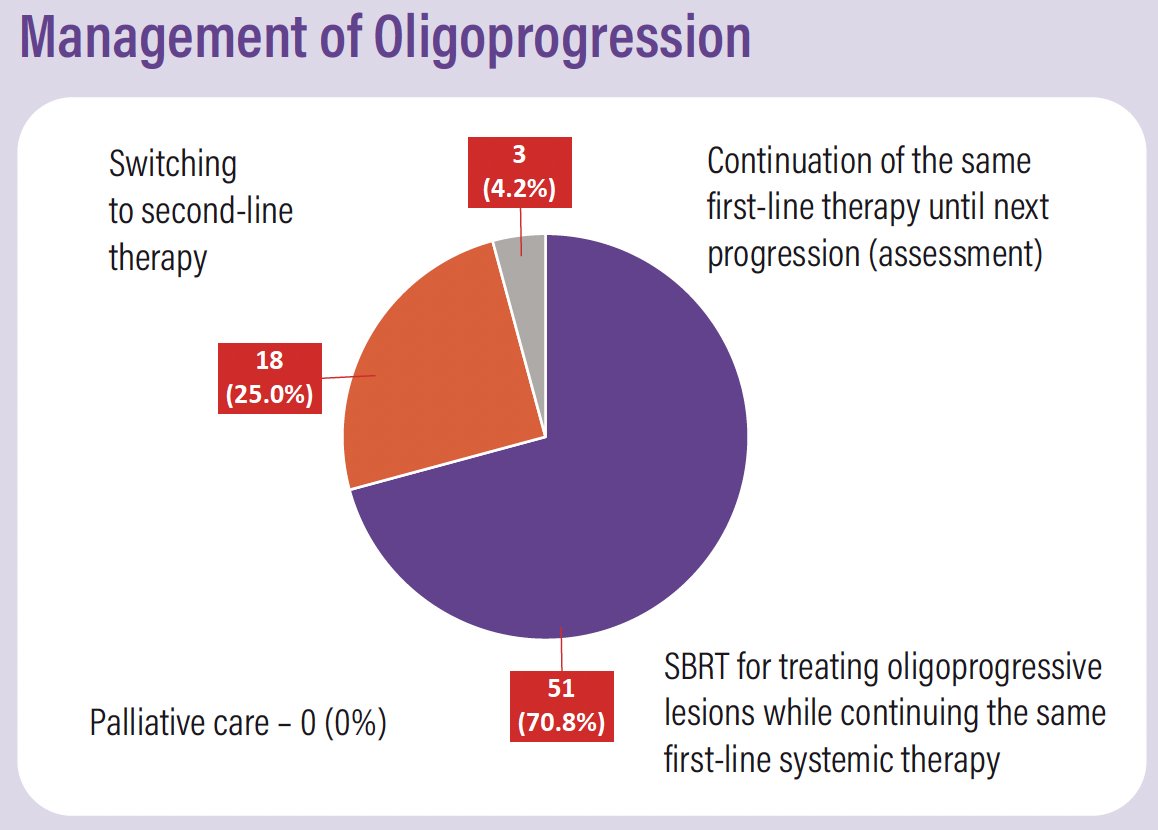
The concept of oligoprogressive mUC and its optimal management remain poorly defined, compared to other tumor types. An electronic survey by the Bureau for Cancer Research (BUCARE) of 72 oncologists actively managing bladder cancer, each treating ≥5 patients/month with urothelial cancer, demonstrated that the significant majority of oncologists (71%) endorsed the use of SBRT for treating oligoprogressive lesions while continuing the same first-line systemic therapy, and that nearly 80% expressed support for conducting prospective randomized trials to evaluate treatment options for patients with oligoprogression.
The VOLGA 2 study aims to assess the preliminary efficacy and safety of SBRT in patients with mUC and oligoprogression during maintenance therapy with avelumab.
VOLGA 2 is a prospective, multicenter, randomized phase II trial. Patients with histologically confirmed mUC and measurable lesions, according to RECIST 1.1, undergoing avelumab maintenance therapy with extracranial oligoprogression, are randomized 1:1 to receive:
- SBRT targeting oligoprogressive lesions
- Second-line therapy of the physician’s choice
Oligoprogression is defined as disease progression due to the appearance of up to five new metastases or a significant increase in up to five existing lesions, with other disease sites remaining stable under ongoing systemic or local therapy. For patients in the SBRT arm, repeat SBRT to previously non-irradiated lesions is allowed and recommended if the interval between progressions exceeds four months. Patients with brain metastases and cord compression are excluded from the study.
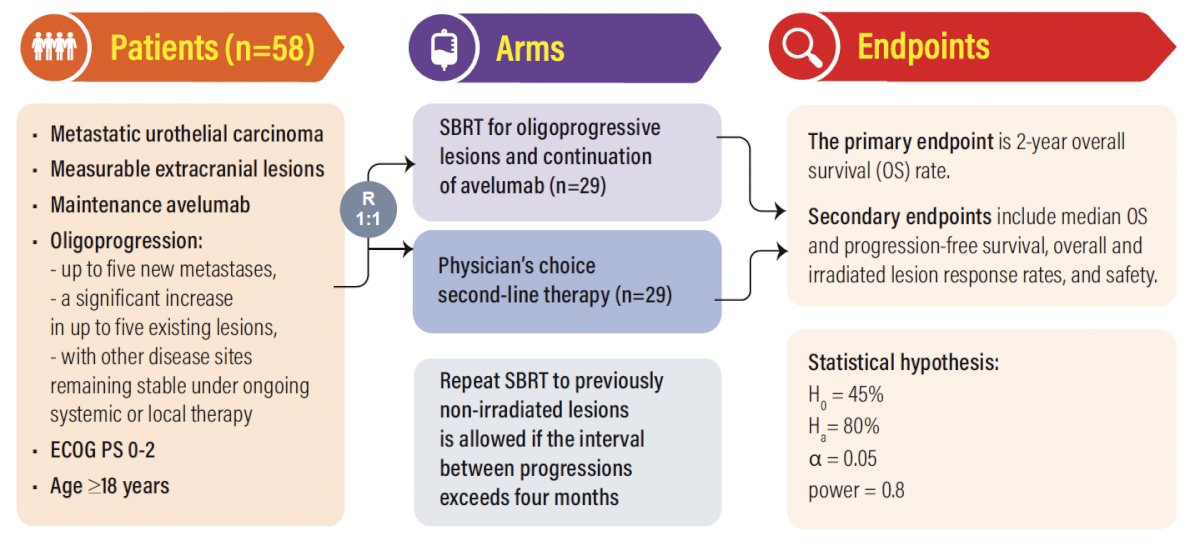
The primary endpoint is 2-year overall survival (OS) rate. Secondary endpoints include median OS and progression-free survival, overall and irradiated lesion response rates, and safety.
Presented by: Ilya Tsimafeyeu, MD, Bureau for Cancer Research, New York, NY
Written by: Rashid K. Sayyid, MD, MSc – Robotic Urologic Oncology Fellow at The University of Southern California, @rksayyid on Twitter during the American Society of Clinical Oncology (ASCO) 2025 Annual Meeting, Chicago, IL, Fri, May 30 – Tues, Jun 3, 2025.
References:
- Powles T, Park SH, Voog E, et al. Avelumab Maintenance Therapy for Advanced or Metastatic Urothelial Carcinoma. N Engl J Med 2020 Sept 24;383(13):1218-1230.
- Powles T, Park SH, Caserta C, et al. Avelumab First-Line Maintenance for Advanced Urothelial Carcinoma: Results From the JAVELIN Bladder 100 Trial After >/=2 Years of Follow-Up. J Clin Oncol. 2023;41: 3486-3492.