

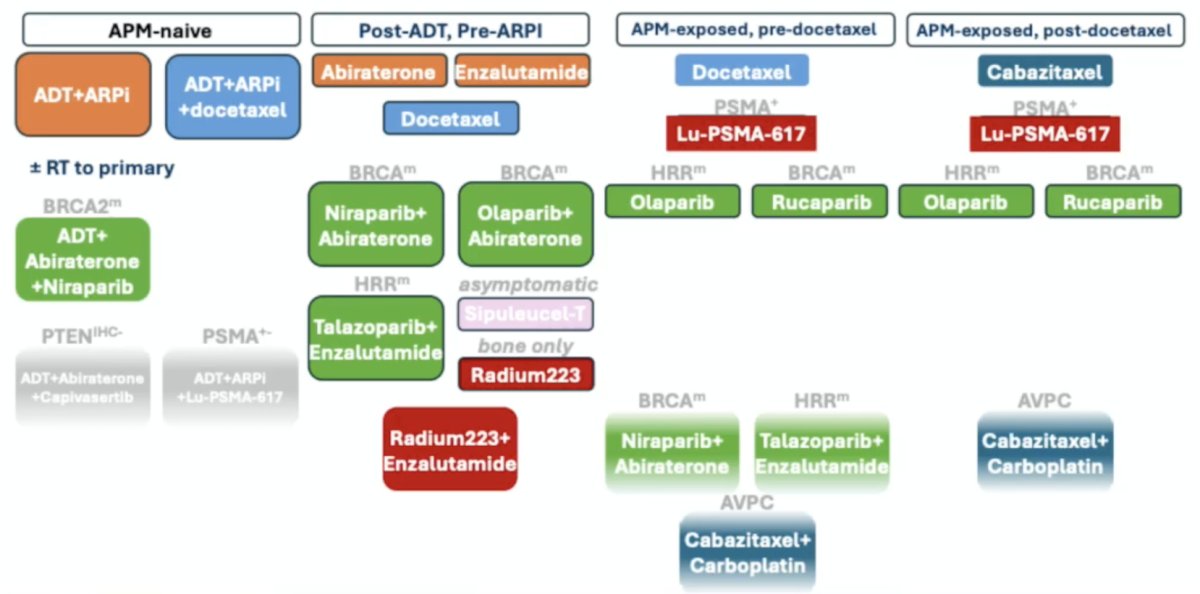
(UroToday.com) The 2026 APCCC meeting featured a management of metastatic hormone sensitive prostate cancer (mHSPC) session and a presentation by Dr. Ana Aparicio discussing the relevant patient metastatic androgen pathway modulator–naïve prostate cancer (mAPM) subgroups today and in the future that are relevant for treatment decisions. Dr. Aparicio started her presentation by highlighting the current treatment landscape of metastatic prostate cancer:
Dr. Aparicio notes that we need to move away from traditional subgroups and identify patients based on drug response predictors. This may include:
- PSMA high: PSMA radioligand therapy
- BRCA2 mutation, other HRR mutations: PARP inhibitors
- MSI/TMB high: immune checkpoint blockade
- PTEN IHC negative: AKT inhibitors
This classification scheme may also include androgen addicted, androgen enabled, and androgen indifferent subgroups:
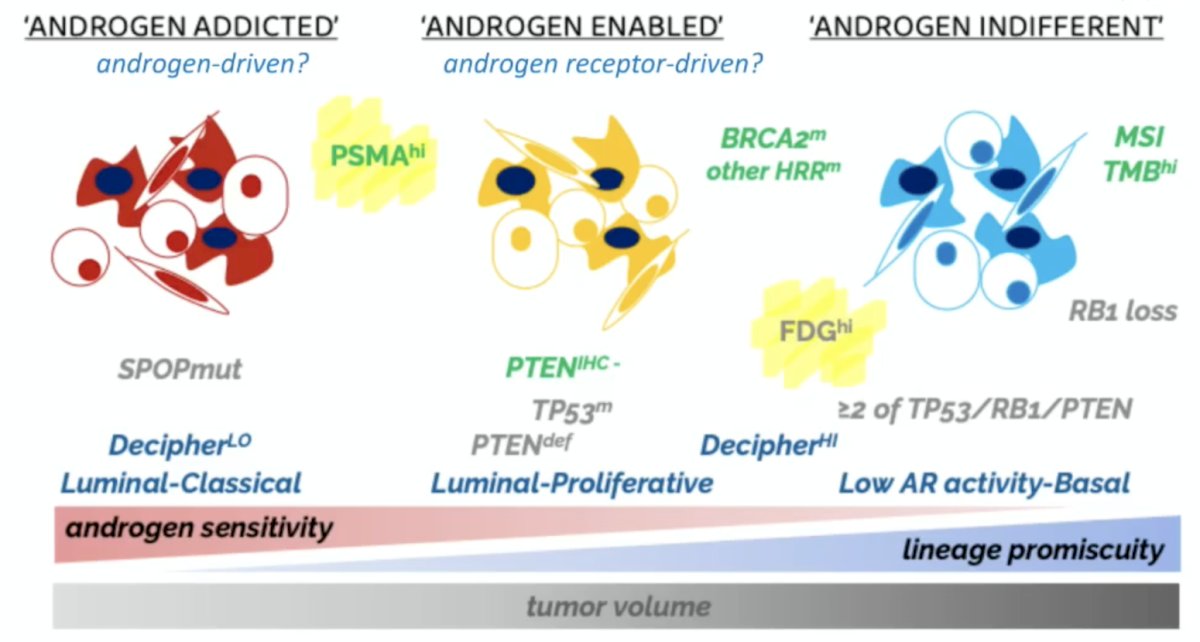
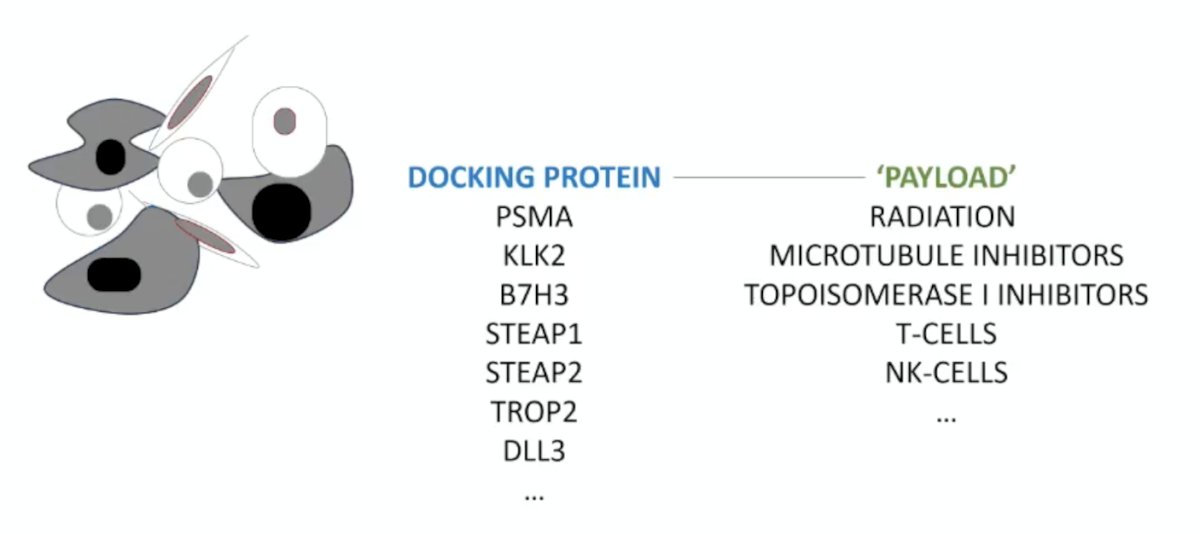
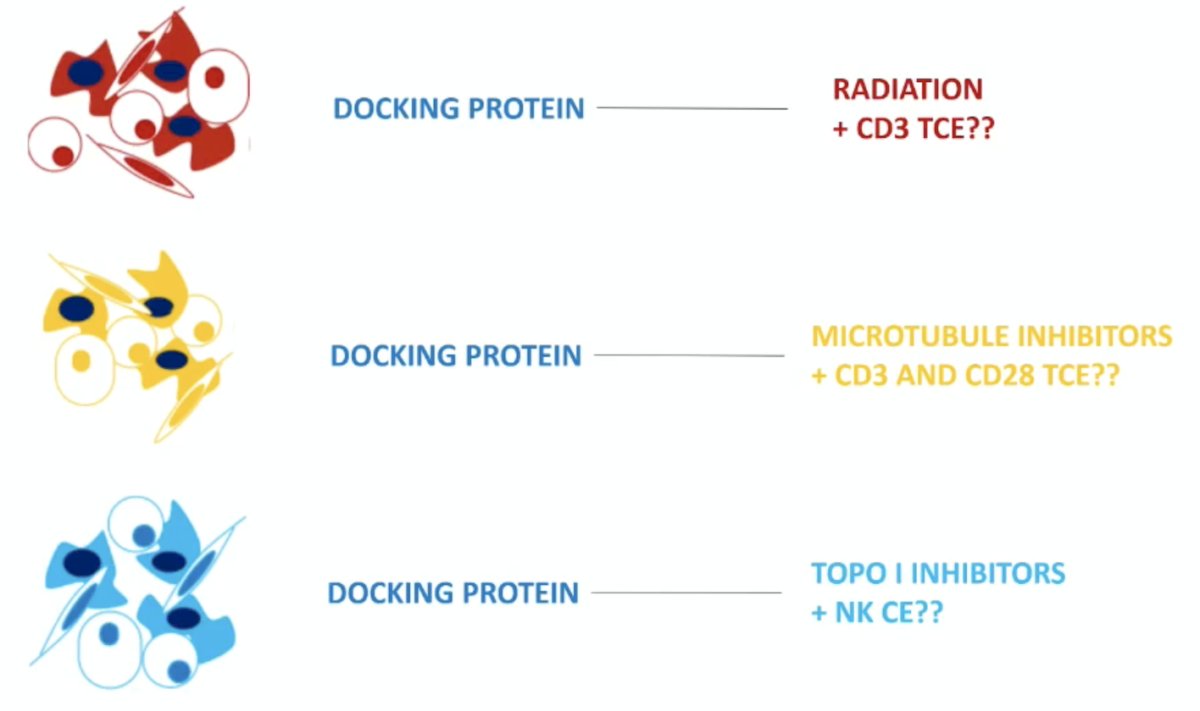
Androgen addicted patients may be best treated with radioligand therapy combinations, whereas androgen enabled patients may be best treated with targeted therapies and/or docetaxel. There also may be subset specific payloads, with different docking proteins and different payloads:
Importantly, will be validation of biological groups:
- Defining a consensus clinically deployable mAPM-naïve composite biomarker signature (which can include clinical, imaging, and molecular features) based on biological plausibility
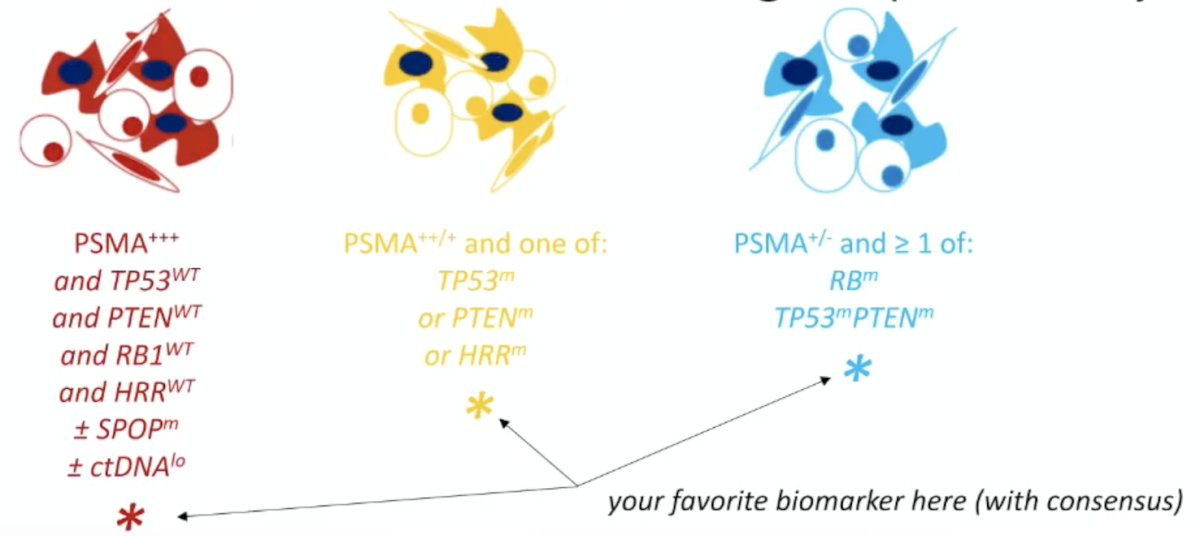
- Clinical validation: defined target biology (biomarker selection), and undefined target biology (biomarker stratification)
- Iterative refinement of biomarker signatures (additional subgroupings)
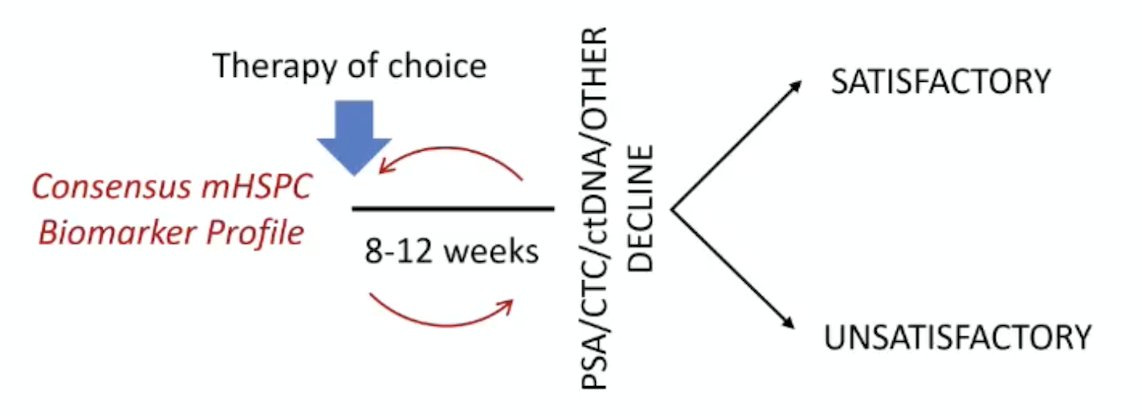
Dr. Aparicio concluded her presentation discussing the relevant patient subgroups today and in the future that are relevant for treatment decisions with the following take-home points:
- Prostate cancer can be categorized into clinically recognizable, therapeutically relevant biological subsets
- A consensus composite biomarker signature that can be uniformly applied to prospective clinical trials is urgently needed and the time is now
Presented by: Ana Aparicio, MD, University of Texas, MD Anderson Cancer Center, Houston, TX
Written by: Zachary Klaassen, MD, MSc – Urologic Oncologist, Associate Professor of Urology, Georgia Cancer Center, Wellstar MCG Health, @zklaassen_md on Twitter during the 2026 Advanced Prostate Cancer Consensus Conference (APCCC), Lugano, Switzerland, Thurs, April 30 – Sat, May 2, 2026.