

(UroToday.com) The 2026 APCCC meeting featured a management of metastatic hormone-sensitive prostate cancer (mHSPC) session and a presentation by Dr. Yüksel Ürün discussing the role of quality of life in this setting. Dr. Ürün started his presentation with a case presentation of a 73-year-old male patient with a medical history including hypertension, diabetes mellitus, and a coronary artery bypass graft, ECOG performance status of 1, PSA of 144 ng/mL, creatinine of 1.5 mg/dL, and a prostate biopsy showing Gleason Score 4+4 prostate cancer.
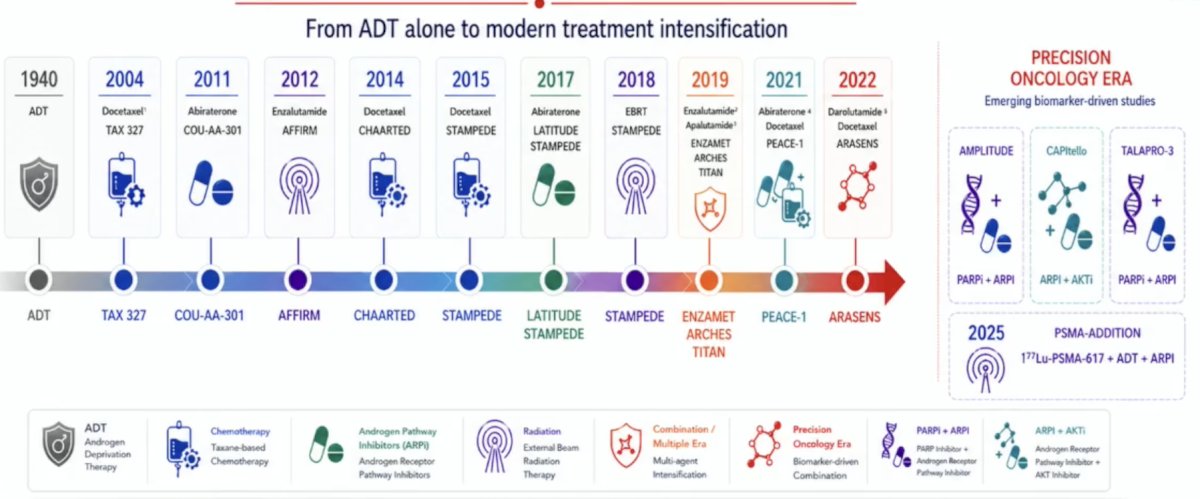
Dr. Ürün notes that this patient has several treatment goals, including (i) improved (complete?) response, (ii) overall survival, (iii) delayed need for systemic therapy, (iv) quality of life, (v) duration of response, and (vi) cure. The treatment landscape of mHSPC has vastly evolved, from ADT alone to modern treatment intensification:
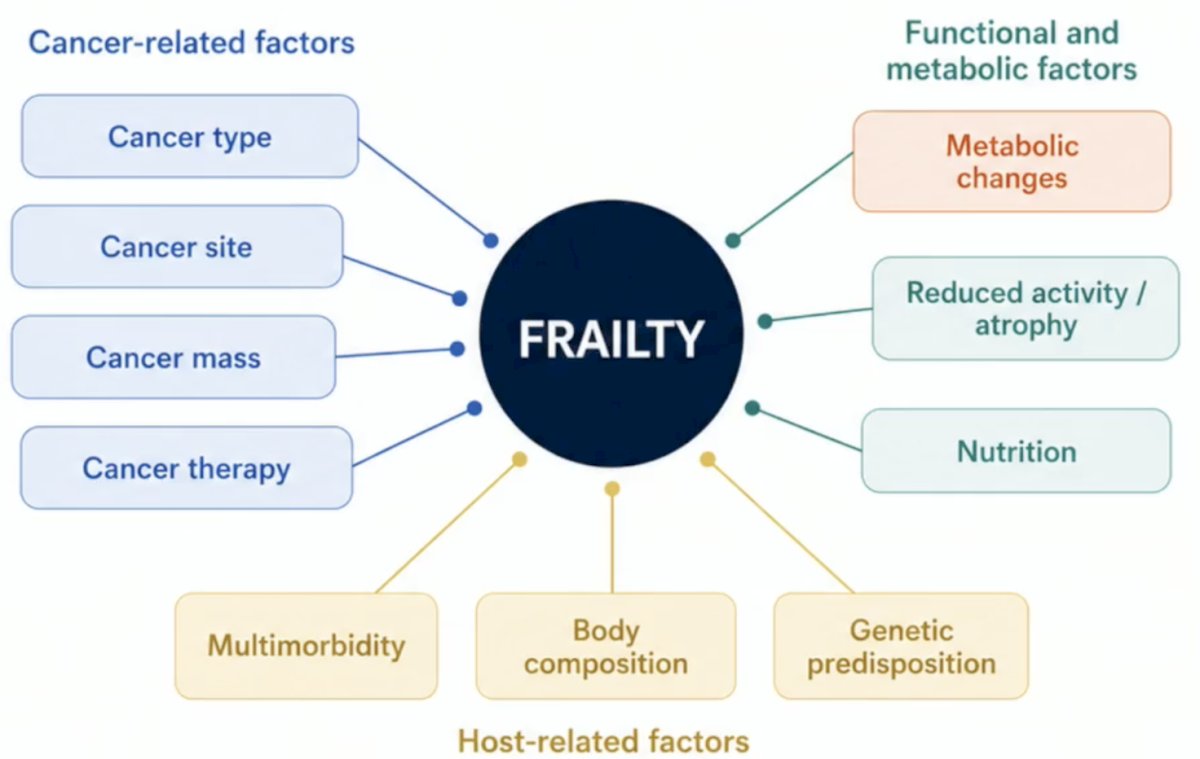
Why are we talking about quality of life now? Our treatments have gotten better, our patients are living longer, and now the years must be lived well. Frailty is complex, made up of several components, including host-related factors, cancer-related factors, and functional and metabolic changes:
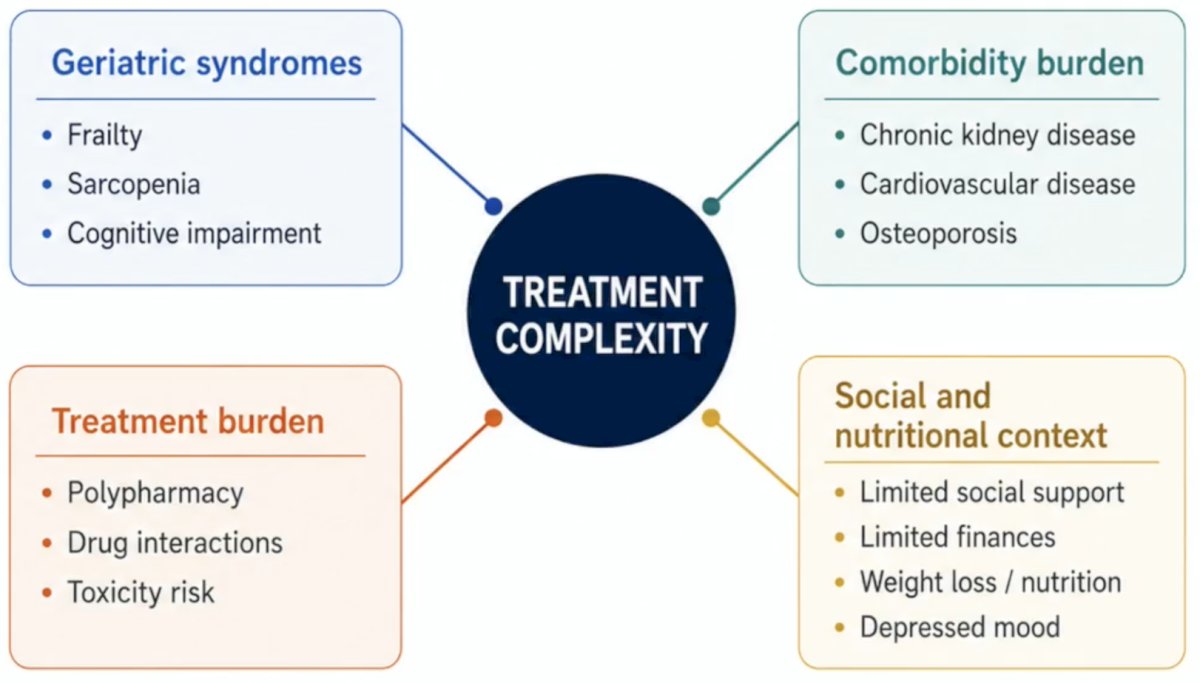
Similarly, there is a level of treatment complexity, taking into account geriatric syndromes, comorbidity burden, treatment burden, and social and nutritional factors:
Dr. Ürün notes that longer survival means more years living with treatment consequences, which include:
- Longer exposure: triplet therapy can mean years on treatment and cumulative toxicity
- Physical decline: fatigue, muscle loss, hot flushes, and bone loss affect daily life
- Work and social life: treatment effects can change work, family roles, and social connections
- Cognitive and emotional burden: ADT can contribute to cognitive fog, depression, and emotional blunting
- Sexual health and intimacy: loss of libido and erectile dysfunction are common and often under-discussed
- Patient-reported outcomes matter: they predict survival and deserve routine attention
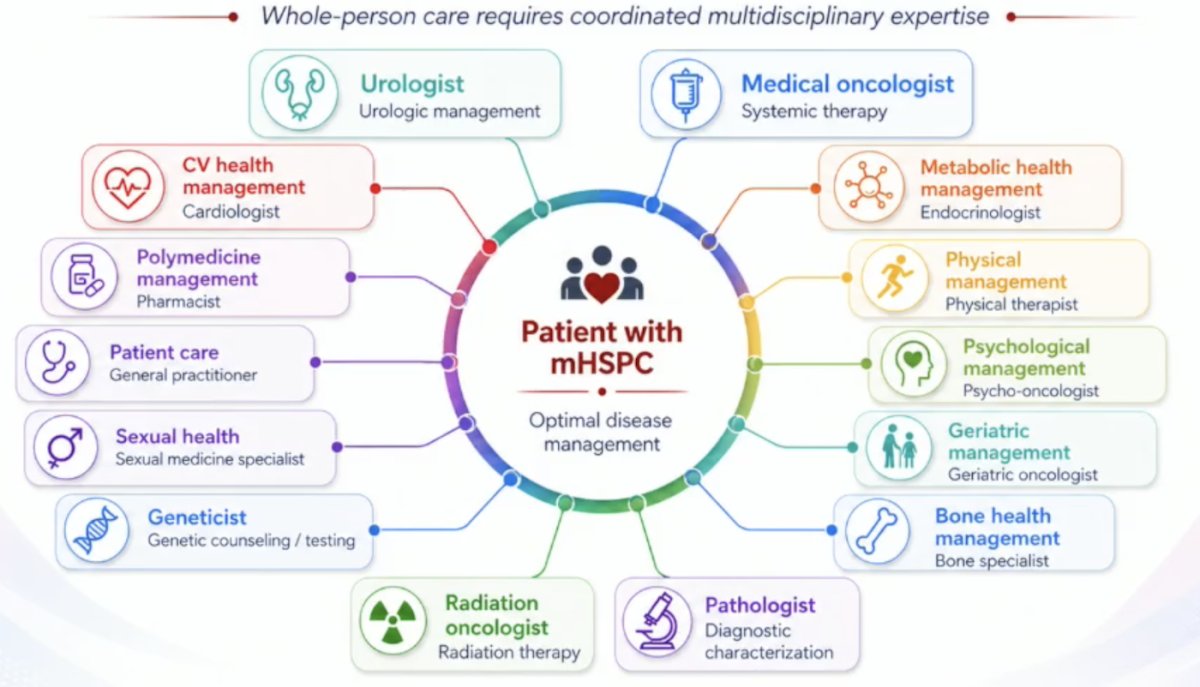
Beyond systemic therapy, there are many key personnel coordinating care for men with mHSPC:
Dr. Ürün also discussed The Toxicity Paradox: aggressive systemic therapy can prolong survival, but cumulative toxicity can affect how patients live. The Toxicity Paradox incorporates 6 items:
- Cognitive function: brain fog, attention, and memory may worsen during treatment
- Fatigue and stamina: low energy can limit daily activities and recovery
- Independence and activities of daily living: loss of autonomy can affect basic and instrumental daily tasks
- Physical function and falls: muscle loss, weakness, and falls can threaten mobility
- Metabolic and body composition: weight gain, sarcopenia, and metabolic changes may accumulate over time
- Emotional and social well-being: mood, relationships, and participating in life can be affected
The blind spot of the Toxicity Paradox is that tumor control is visible on scans, but loss of energy, function, and autonomy is often less visible. Quality of life in mHSPC should be measured and not assumed. Health-related quality of life is a multidimensional concept that includes physical, emotional, social, and functional well-being. Patient-reported outcomes are direct reports from patients about symptoms, function, and well-being. What patients often value most is independence, cognitive clarity, energy and stamina, and sexual health. Dr. Ürün emphasized that living longer is the goal, and living well is the requirement.
Dr. Ürün concluded his presentation discussing the role of quality of life in this setting with the following future directions for personalizing quality of life:
- Precision quality of life metrics:
- Go beyond generic surveys
- Integrate patient-reported outcomes, frailty, and risk prediction
- Identify patients at higher risk of functional decline
- Artificial intelligence and digital monitoring:
- Use wearables, electronic patient-reported outcomes, and digital tools
- Track symptoms, activity, sleep, and function
- Enable earlier intervention
- Strategic de-escalation:
- Explore step-down or treatment holiday strategies
- Focus on selected patients with deep responses
- Preserve quality of life without compromising outcomes
- The goal is the right treatment intensity, for the right patient, at the right time
Presented by: Yüksel Ürün, Professor, Cancer Research Institute, Ankara University, Ankara, Turkey
Written by: Zachary Klaassen, MD, MSc – Urologic Oncologist, Associate Professor of Urology, Georgia Cancer Center, Wellstar MCG Health, @zklaassen_md on Twitter during the 2026 Advanced Prostate Cancer Consensus Conference (APCCC), Lugano, Switzerland, Thurs, April 30 – Sat, May 2, 2026.