|
|
|
|
|
|
|
PEER-TO-PEER CLINICAL CONVERSATIONS
|
|
|
|
|
|
|
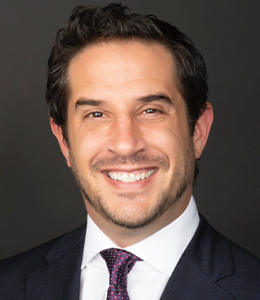
Phase I Study of SYNC-T Combination Therapy for Metastatic Castration-Resistant Prostate Cancer
|
|
Jason Hafron, MD, CMO
|
| Jason Hafron introduces SYNC-T therapy's approach to metastatic castration-resistant prostate cancer, explaining how the FDA fast-track designated treatment combines focal cryolysis with localized immunotherapy delivery.
|
|
|
|
|
|
|
|
|
|

|
|
|
AR Degraders, T-Cell Engagers, and EZH2 Inhibitors in Prostate Cancer Pipeline
|
|
Maha Hussain, MD, FACP, FASCO
|
| Maha Hussain highlights several emerging prostate cancer therapies across disease states, including an AR degrader in phase 3 rechARge. She also noted that the KLK-2/CD3 T-cell engager pasritamig is being studied in two phase 3 trials, while median survival in mCRPC has improved from about nine months in the late 1980s to more than three years today.
|
|
|
|
|
|
|
|
|
|
|
|
|
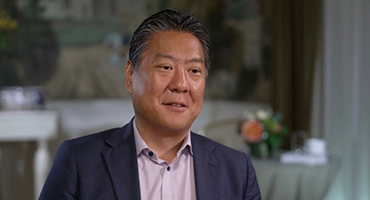
Radioligand Therapy and Patient Selection Criteria for Lu-PSMA-617
|
Phillip Koo, MD
Phillip Koo discusses practical implementation of lutetium-177 PSMA therapy, covering access, imaging workflows, and monitoring.
|
|
|
|
|
|
|
|
|
|
|
| First-Line Metastatic Castration-Resistant Prostate Cancer: One Size Doesn't Fit All
|
| Karim Fizazi, MD, PhD
|
| Karim Fizazi emphasizes that metastatic castration-resistant prostate cancer is biologically heterogeneous and requires individualized first-line treatment guided by imaging and next-generation sequencing. Genomic findings can direct targeted therapies, while patients without actionable mutations should be stratified by disease aggressiveness to guide use of ARPIs, radioligand therapy, or chemotherapy.
|
|
|
|
|
|
| Radioligand Revolutions: Where We Are Now and Where We Are Going
|
| Renu Eapen, MBBS, FRACS
|
| Renu Eapen traces how PSMA radioligand therapy has moved from late-line mCRPC into earlier disease settings, with ongoing studies exploring hormone-sensitive and pre-chemotherapy use. She highlights the next wave of progress: new targets like ACP3 and STEAP1/2, new isotopes such as terbium, and combination strategies with immunotherapy, hormonal therapy, chemotherapy, PARP inhibition, and radiation.
|
|
|
|
|
|
| How to Better Personalize Treatment with 177Lu-PSMA-617
|
| Louise Emmett, MD, MBChB, FRACP, FAANMS
|
| Louise Emmett discusses making 177Lu-PSMA-617 more personalized by combining PSMA PET, ctDNA, tumor volume, and early response imaging to better identify who is most likely to benefit. She also highlights encouraging data for combining radioligand therapy with ARPIs, while emphasizing that adaptive dosing and biomarker-guided treatment are likely to shape the next phase of PSMA theranostics.
|
|
|
|
|
|
| Masked Antibody Therapeutics in Genitourinary Malignancies: Expanding the Therapeutic Window Through Tumor-Selective Activation
|
| Evan Yu, MD
|
| Masked antibody therapeutics are designed to stay inactive in the bloodstream and turn on mainly inside tumors, which could widen the therapeutic window for GU cancers. Early clinical data with PSMA-directed platforms like VIR-5500 and JANX007 suggest this approach may reduce off-tumor toxicity while still producing PSA declines and antitumor activity.
|
|
|
|
|
|
| Advanced Prostate Cancer - Doublet Versus Triplet: Who Needs Additional Treatment Intensification for mHSPC?
|
| Jacqueline Brown, MD
|
| Jacqueline Brown argues that mHSPC intensification should be individualized rather than automatically using chemotherapy for everyone. She highlights triplet therapy mainly for high-volume or de novo disease, while biomarker-driven options like niraparib for BRCA2-mutated disease, 177Lu-PSMA-617, and capivasertib may further refine treatment selection.
|
|
|
|
|
|
|
|
|
|
|